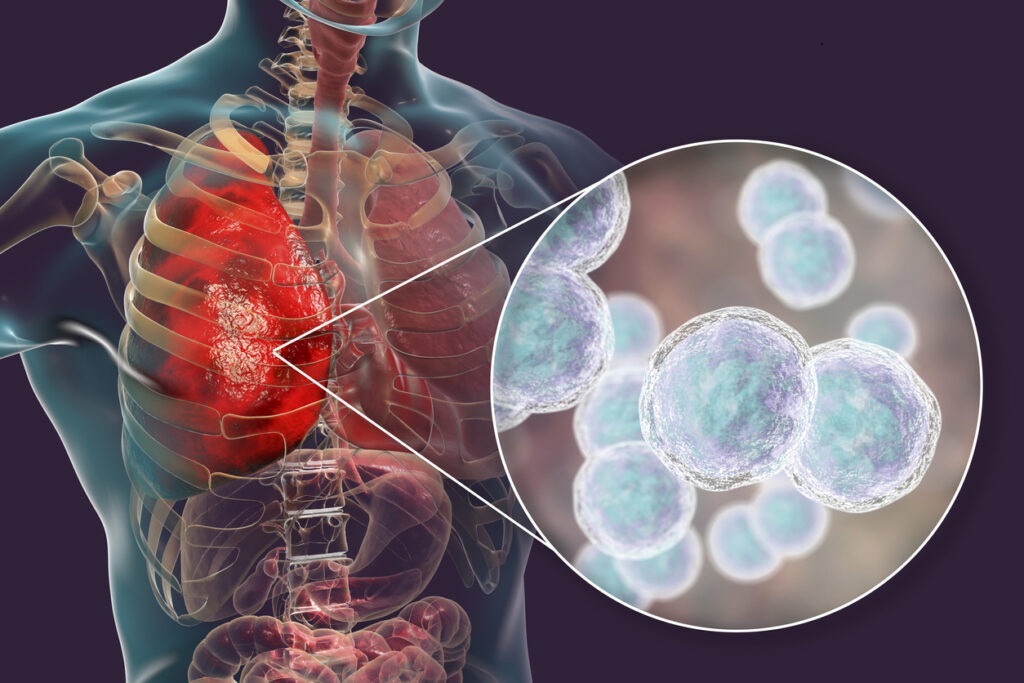
In a recent study conducted by researchers at the University of Leipzig, Germany, a natural extract from elecampane (Inula helenium) has been highlighted for its ability to support the regeneration of lung tissue, especially after respiratory infections or prolonged exposure to pollutants. The plant, known in traditional European medicine for centuries, is gaining scientific attention due to its active compounds with reparative and expectorant actions.
What the German study says
Researchers published in the European Journal of Medicinal Plants (2024) that elecampane contains sesquiterpene lactones and alantolactone, substances that:
- stimulate the regeneration of damaged pulmonary epithelial cells
- reduce chronic inflammation in the bronchi
- prevent the development of pulmonary fibrosis
The effects were observed both in vitro and in tests on animal models exposed to irritants or cigarette smoke.
Active composition of the Inula helenium plant
- Alantolactone – anti-inflammatory and antifibrotic effect
- Isoalantolactone – supports the respiratory system
- Inulin – natural prebiotic that maintains immunity
- Flavonoids and essential oils – with antimicrobial and bronchodilator effects
How the extract acts on the lungs
Calms dry or productive cough
Reduces inflammation of the respiratory pathways
Promotes the elimination of accumulated mucus
Protects and helps in restoring the bronchial mucosa
Supports more efficient oxygenation of the body
How to use it
Recommended forms:
- Fluid extract (tincture with alcohol) – 20-30 drops twice a day, in water
- Infusion: 1 tablespoon of dried root in 250 ml of water, infused for 10 minutes; 1-2 cups/day
- Natural cough syrups based on elecampane, often combined with plantain or pine buds
The treatment lasts 10-14 days, especially during recovery periods after colds, bronchitis, or in cases of pulmonary fatigue.
Precautions and contraindications
- Contraindicated for pregnant or breastfeeding women
- May cause mild digestive reactions at high doses (nausea, cramps)
- Should not be administered together with antitussive medications without medical advice
Observable effects after use
Easier breathing
Less irritating cough
Feeling of deep cleansing of the lungs
Increased energy during light exertion (climbing stairs, brisk walking)




