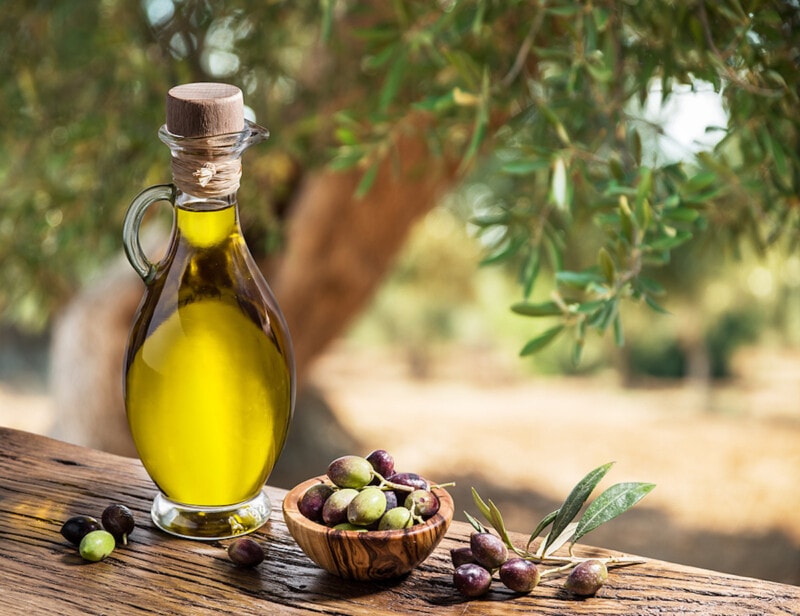
The history of olive oil dates back thousands of years, beginning with the discovery of the first olive trees. Even in prehistoric times, both the olive tree and the oil obtained from its fruits have been an inexhaustible source of fascination and wonder, with many legends attributing a divine origin to them. In Egypt, the olive tree was considered a sacred tree and was protected by Ra, the supreme sun god, with its branches placed on the tombs of pharaohs.
The benefits of olive oil are unmatched, and research continues to reveal more and more. In fact, we are just beginning to understand the countless ways in which it can improve our health. Olive oil is the cornerstone of the Mediterranean diet, an essential nutritional support for the world’s longest-living cultures.
Olive oil lowers LDL cholesterol and triglyceride levels. At the same time, it does not alter HDL levels (and may even raise them), which play a protective role and stimulate the elimination of low-density lipoproteins (LDL cholesterol).
The phytonutrient in olive oil, oleocanthal, mimics the effect of ibuprofen in reducing inflammation, which may lower the risk of cancer occurrence and recurrence.
Traditionally, a low-fat diet has been prescribed to prevent various diseases such as heart disease and diabetes. While studies have shown that high-fat diets can increase the risk of certain diseases like diabetes and cancer, it seems that the type of fat is more to blame than the amount. We now know that a diet rich in monounsaturated fats, such as those found in olive oil, nuts, and seeds, protects against many of these chronic diseases.
A study published in the scientific journal Diabetes Care in the United States showed that a Mediterranean-style diet rich in olive oil reduces the risk of type II diabetes by nearly 50% compared to a low-fat diet. Type II diabetes is the most common form of diabetes that can be prevented.
Older individuals who consume olive oil daily may be able to protect themselves from stroke, according to a study from France published in the online edition of Neurology (a specialty publication).
Researchers gathered information from medical records of over 7,500 individuals aged 65 and older from three different cities. None of the participants had experienced a stroke. They then classified individuals into three groups based on their olive oil consumption. After 5 years, there were 148 strokes. The results showed that intensive users of olive oil had a 41% lower risk of stroke compared to those who did not use olive oil at all. These results were observed even after considering weight, diet, activity, and other risk factors.
A diet rich in olive oil can actually slow down heart aging. It is well known that as we age, the heart also undergoes a normal aging process. Arteries may not function as they once did, which can lead to a series of health problems. However, in a recent study, Spanish researchers found that a diet rich in olive oil or other monounsaturated fats can improve arterial function in older individuals.
Osteoporosis is a disease characterized by a decrease in bone mass, which in turn leads to the fragility of bone tissue architecture. This can then predispose individuals to fractures. It has been observed that olive oil extract positively affects bone thickness. Olive oil will not be the only solution in the ongoing fight against post-menopausal osteoporosis, but scientists have concluded that it is a very promising candidate for future treatments of the disease.
It is already known that this oil provides a multitude of health benefits. But what about emotional benefits? According to Spanish researchers, a diet rich in olive oil may help prevent mental illnesses. They found that higher consumption is associated with a lower risk of depression. Findings suggested that cardiovascular diseases and depression may share some common mechanisms related to an individual’s diet.
The most dangerous type of skin cancer may be slowed down by consuming olive oil, which is rich in antioxidants. Only three out of 100,000 residents of Mediterranean countries develop this form of cancer. Using sun protection remains the best way to prevent sunburn and protect the skin from the harmful effects of sun rays.
Numerous studies have shown that oleocanthal in extra virgin olive oil has the potential to reduce the risk of Alzheimer’s disease and cognitive decline that comes with aging.




