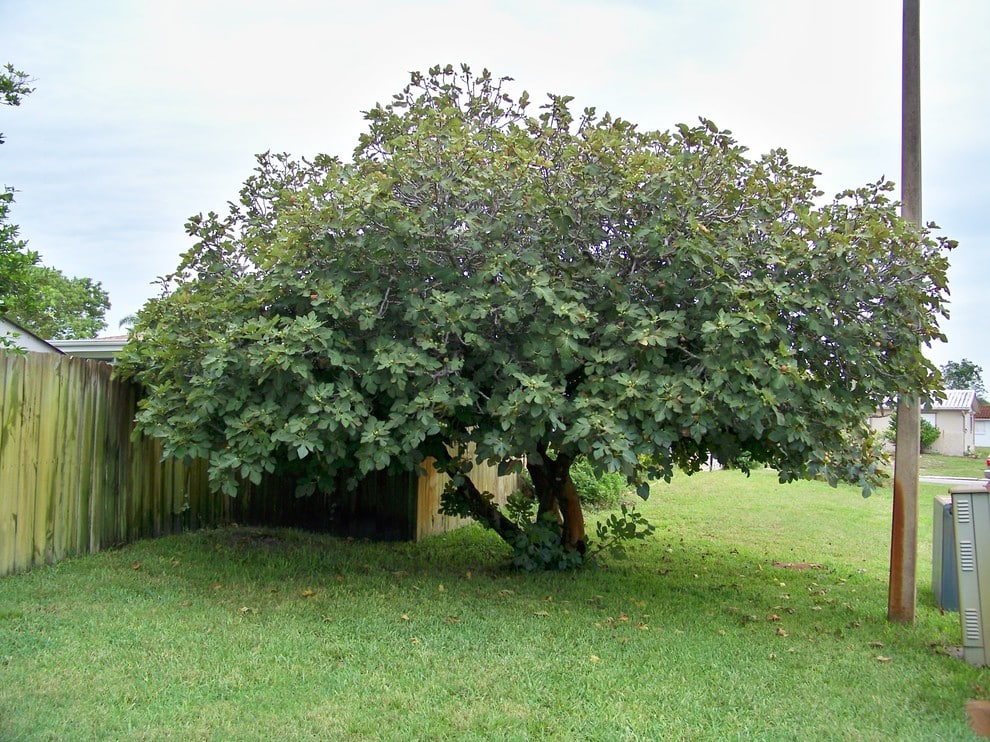
Despite its delicate appearance, the fig tree (Ficus carica) hides inside a white latex sap with remarkable properties. This substance, often considered a simple plant latex, is actually a natural remedy with a millennia-old tradition in folk medicine from Mediterranean regions, as well as in Romanian territory. The sap is extracted by breaking the stem, leaf, or unripe fruit and has been used over time to treat warts, skin conditions, and digestive issues.
Benefits of Fig Tree Sap
1. Removal of Warts
Fig tree sap is a powerful caustic natural remedy, meaning it has the ability to burn abnormal tissue (such as warts) without severely affecting the healthy skin around it. This effect is due to proteolytic enzymes (ficin, papain) that destroy dead or HPV-infected cells.
How to Use: Apply directly to the wart 1-2 times a day using a cotton swab. The area can be left uncovered or covered with a bandage. Treatment lasts between 5 and 14 days, depending on the size of the wart.
A study published in the International Journal of Dermatology (2007) showed that 44% of patients treated with fig tree sap experienced complete disappearance of warts in just 5 days of daily application.
2. Antibacterial and Antifungal Effects
The sap contains compounds with antibacterial action, effective against certain skin microbes. It is also active against some types of fungi.
Applications: superficial lesions, nail fungi, dermatoses.
3. Supporting Digestion and Eliminating Intestinal Parasites
In very small doses, the sap can have a mild purgative effect and is used in traditional medicine to combat intestinal parasites.
Internal administration should only be done under the supervision of a specialist, as the sap has toxic potential at high doses.
4. Treating Calluses and Corns
Local application on calluses or old corns softens the skin and promotes the removal of the cornified layer. It is especially effective when used together with salt or chamomile tea.
Active Composition
-
Ficin: a proteolytic enzyme with cellular healing effects
-
White Latex: contains alkaloids, flavonoids, coumarins
-
Organic Acids: with caustic and anti-inflammatory potential
-
Tannic Substances: astringent, with antiseptic effects
What Do Studies and Herbalists Say?
-
2007 Study: International Journal of Dermatology compared fig tree sap with cryotherapy for warts. The results were similar, but the sap did not cause pain or scarring, being better tolerated.
-
Herbalist Dr. Parichehr Hanachi states: Extracts from Ficus carica have documented antiviral and antitumor action, with potential in dermatological and even gastrointestinal treatments.
-
In Ayurvedic medicine, the sap is included in external treatments for skin diseases, especially in cases of accumulated kapha associated with secretions, humidity, and excess mucus.
Contraindications and Precautions
-
Do not apply on open wounds or mucous membranes (mouth, eyes, genital areas)
-
May cause irritation in individuals with sensitive skin: local testing on a small area is recommended
-
Not recommended for pregnant women (internally)
-
Toxic in large ingested quantities: oral administration must be strictly controlled
-
Individuals with latex allergies should avoid use
Simple Recipes with Fig Tree Sap
1. For Warts
-
Apply 1 drop of freshly extracted sap directly on the wart, 2 times a day.
-
Cover with a bandage and repeat for 7-10 days.
2. For Calluses
-
Soak your feet in warm water with salt.
-
Apply fig tree sap on the callus, massage gently, and leave for 30 minutes.
-
Repeat daily until completely softened.
Sources:
-
International Journal of Dermatology Treatment of common warts with fig tree latex vs. cryotherapy
-
Plants Journal Phytochemical screening and antimicrobial activity of Ficus carica latex
-
Medicinal Plants of the World Ficus carica in Traditional Medicine
-
ResearchGate Therapeutic and biological activities of Ficus carica latex




