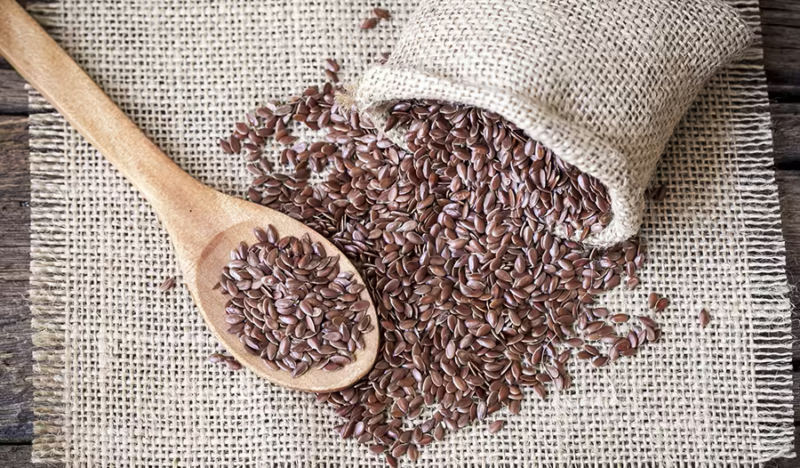
Flaxseeds have become a true ally in the fight against high cholesterol in recent years. Rich in fiber, Omega-3 fatty acids, and lignans, they are often recommended by nutritionists and doctors as part of a dietary regimen to support cardiovascular health. However, this seemingly simple remedy is not suitable for everyone, and contraindications must be known and taken seriously.
What Studies Say About Flaxseeds and Cholesterol
A study published in the American Journal of Clinical Nutrition showed that daily intake of 30 grams of ground flaxseeds led to a 10-15% reduction in LDL cholesterol (the bad cholesterol) in individuals with high levels. The research was conducted on a group of 110 adults with hypercholesterolemia, and positive effects were observed within the first 3 months of regular consumption.
The mechanism by which flaxseeds act is complex:
- Soluble fibers in their composition form a gel in the stomach that binds cholesterol and eliminates it through the intestines.
- Omega-3 fatty acids reduce inflammation and have a protective effect on blood vessel walls.
- Lignans, natural antioxidants, contribute to balancing the lipid profile and reducing oxidative stress.
Another extensive study published in Nutrition Research confirmed that daily intake of flaxseeds can reduce total cholesterol by up to 12%, without major adverse effects in healthy individuals. This study was conducted over a period of 6 months, with over 300 participants.
Benefits of Flaxseeds for Cholesterol
1. Reduces LDL Cholesterol Through Soluble Fibers
Soluble fibers form a viscous substance that captures cholesterol from food and prevents its absorption in the intestines. Regular consumption leads to its elimination through stool, thus reducing accumulation in the blood. This action is not immediate but occurs gradually, with visible effects in 2-3 months of consistent use.
2. Protects Blood Vessel Walls
The ALA (alpha-linolenic acid) in flaxseeds reduces chronic inflammation, one of the major factors that promote the formation of atherosclerotic plaques. By reducing systemic inflammation, arterial elasticity improves, and the risk of vascular accidents decreases.
3. Normalizes Total Cholesterol and HDL/LDL Ratio
Consuming flaxseeds not only reduces bad cholesterol but also helps increase HDL (the good cholesterol), which balances the lipid ratio. This effect is especially observed in individuals who replace animal fats with plant sources of Omega-3.
4. Supports Liver Function
The liver plays an essential role in regulating cholesterol. The fibers and lignans in flaxseeds support the liver in metabolizing fats, preventing their accumulation in the blood. Additionally, lignans have antioxidant effects and may reduce the impact of toxins on liver cells.
5. May Reduce Blood Pressure as a Beneficial Side Effect
Although it does not have a direct effect on cholesterol, lowering blood pressure can reduce the risk of cardiovascular diseases associated with dyslipidemia. A study published in Hypertension showed that 30 grams of flaxseeds per day can lower blood pressure by up to 10 mmHg.
Important Contraindications When Flaxseeds Are Not Recommended
1. Severe Intestinal Problems
Individuals with active diverticulitis, severe irritable bowel syndrome, intestinal obstruction, or recent colon surgeries should NOT consume flaxseeds, as the fibers may irritate the digestive tract or worsen symptoms.
2. Pregnancy and Breastfeeding
Some research suggests that lignans may influence hormonal balance. Although there is no conclusive evidence of negative effects, consumption of flaxseeds in large doses is not recommended for pregnant or breastfeeding women.
3. Hormonal Issues (Including Estrogen-Dependent Cancer)
Due to their phytoestrogen content, flaxseeds may interact with hormonal disorders. Individuals with endometriosis, uterine fibroids, breast cancer, or ovarian cancer should consult a doctor before use.
4. Food Allergies
Although rare, allergies to flaxseeds can cause digestive symptoms (nausea, cramps), hives, or breathing difficulties. Any allergic reaction requires stopping consumption and seeking medical advice.
5. Interactions with Anticoagulant Medications
Flaxseeds may have a slight anticoagulant effect and can interfere with medications such as warfarin or aspirin. It is advisable to avoid daily consumption without medical advice if taking such medications.
How to Correctly Consume Flaxseeds
Recommended Dose: 1-2 tablespoons per day (approximately 15-30 grams), freshly ground
Form: finely ground, not whole, to be fully absorbed
Usage Method: can be added to yogurt, smoothies, salads, soups, or baked goods
Hydration: it is important to consume enough liquids as the fibers absorb a lot of water
Flaxseeds can be a valuable remedy in reducing cholesterol and maintaining cardiovascular health, but they must be consumed with discernment. The contraindications are real and can lead to complications if not respected. Always consult a doctor or specialist before introducing a new dietary supplement, especially if you have pre-existing conditions or are undergoing medical treatments.
Sources:
- American Journal of Clinical Nutrition – Flaxseed reduces serum cholesterol and LDL-C in hypercholesterolemic adults
- Nutrition Research – Effect of flaxseed supplementation on lipid profile: a systematic review and meta-analysis
- Hypertension – Dietary flaxseed lowers blood pressure in hypertensive patients




