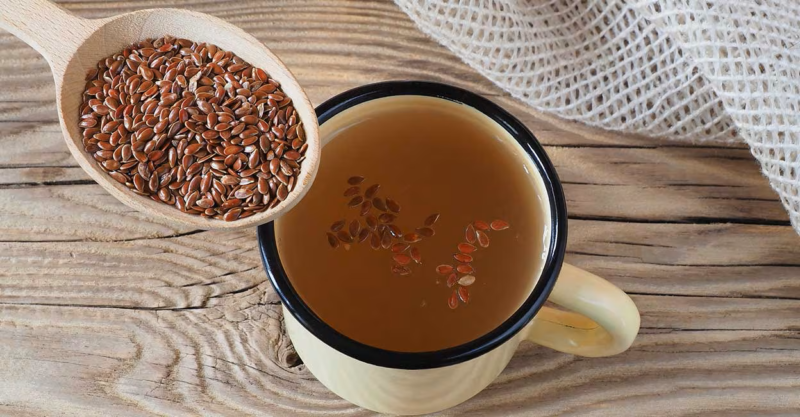
Few natural remedies have effects as varied and powerful as flaxseed tea. Although less known than flax oil or macerate, the tea made from these small, shiny seeds hides enormous benefits for the entire body. Used for centuries in folk medicine, this tea has been rediscovered in recent decades by researchers and doctors, who have confirmed its positive effects on the digestive, cardiovascular, hormonal systems, and even on the skin through studies.
Benefits of Flaxseed Tea
1. Supports Digestive Health and Alleviates Chronic Constipation
Flaxseed tea is a natural source of mucilage, a gelatinous substance that protects the stomach and intestinal lining. This mucilage forms a protective layer in the stomach, soothing irritations and inflammations. When consumed regularly, the tea facilitates intestinal transit, reducing episodes of chronic constipation, bloating, or irritable bowel syndrome. Additionally, its emollient effect makes it ideal for individuals with slow transit or those suffering from hemorrhoids. Unlike aggressive laxatives, flaxseed tea acts gently without causing dependency.
2. Lowers LDL Cholesterol and Protects Blood Vessels
Flaxseeds contain lignans and omega-3 fatty acids, which have a proven role in lowering LDL cholesterol. Flaxseed tea extracts some of these compounds, contributing to maintaining the elasticity of blood vessels and preventing atherosclerosis. By reducing inflammation in the vascular wall, this tea can lower the risk of cardiovascular events. Over time, regular consumption of flaxseed tea can positively influence triglyceride and total cholesterol levels. The effect is more noticeable with balanced diets low in saturated fats.
3. Hydrates the Skin and Reduces Skin Inflammations
Due to its mucilage and anti-inflammatory compounds, flaxseed tea has a beneficial effect on the skin. When consumed internally, it contributes to deeper hydration and helps maintain a smooth complexion, especially in cold seasons. It is recommended for cases of dry, irritated, or atopic skin. Additionally, it can reduce redness, mild eczema, and inflammations related to hormonal imbalances. When applied externally as a compress, it can soothe reddened or dermatitis-affected skin.
4. Helps Regulate Hormones, Especially During Menopause
The lignans in flaxseed have a structure similar to estrogen, which gives them the ability to act as phytoestrogens. Consuming flaxseed tea can help balance hormone levels, especially in women who are perimenopausal or menopausal. This hormonal balance can lead to alleviation of symptoms such as hot flashes, night sweats, or irritability. There is also evidence that flaxseed helps regulate the menstrual cycle in cases of mild irregularities. The effect is more pronounced if the tea is consumed daily for at least 3-4 weeks.
5. Supports Kidney Health and Helps Eliminate Excess Fluids
Flaxseed tea has a mild diuretic effect, helping to eliminate retained water in tissues. It is recommended for individuals dealing with edema, swollen feet, or water retention caused by hormonal or dietary imbalances. By stimulating the kidneys, the tea aids in detoxifying the body and can reduce uric acid levels, which is beneficial for individuals predisposed to gout. The diuretic effect is gentle and does not lead to dehydration when consumed correctly.
What Studies Say About Flaxseed Tea
A study published in Nutrition Research showed that extracts from flaxseeds can reduce intestinal inflammation and improve the condition of patients with ulcerative colitis. Researchers observed that mucilage protects the intestinal barrier, reducing the penetration of harmful bacteria.
Another study conducted at the University of Toronto analyzed the effect of lignans on cholesterol and demonstrated that a daily dose of flaxseed compounds can reduce LDL cholesterol by up to 15% in 3 months.
In research conducted on menopausal patients, it was observed that women consuming flaxseed tea or macerate experienced fewer hot flashes and hormonal symptoms. This was associated with the high lignan content, which acts as hormonal modulators.
Another study in the Journal of Food Science and Technology highlighted the moisturizing and regenerating potential of flaxseeds on the skin, especially when combined with other soothing plants.
Regarding cardiovascular health, research conducted by the American Journal of Clinical Nutrition concluded that daily consumption of flaxseed-based preparations has positive effects on blood pressure and reduces systemic inflammation.
All these studies support the use of flaxseeds in various forms, and tea is one of the gentlest and most accessible methods.
Preparation Method
Ingredients:
- 1 tablespoon of whole flaxseeds (not ground)
- 250 ml water
Preparation Method:
- Bring the water to a boil.
- Add the seeds when the water is boiling.
- Let it simmer on low heat for 5 minutes.
- Turn off the heat and let it steep for 10 minutes, then strain.
- Consume warm or at room temperature, 1-2 cups per day.
Nutritional Table for Flaxseed Tea (250 ml)
| Nutritive Component | Estimated Amount | Notes |
|---|---|---|
| Mucilage | 2-3 g | Hydrates mucous membranes, regulates transit |
| Soluble Fiber | 1-2 g | Gentle for the colon, aids digestion |
| Lignans (phytoestrogens) | 50-100 mg | Regulates hormones, antioxidant action |
| Omega-3 Fatty Acids (ALA) | traces | Very little soluble in water |
| Magnesium | 10-15 mg | Supports the nervous and muscular systems |
| Zinc | 0.1-0.3 mg | Essential for immunity and skin |
| Phosphorus | 15-25 mg | Involved in bone health |
| Calcium | 5-10 mg | Small but beneficial intake for the skeletal system |
| Potassium | 10-20 mg | Mild diuretic, regulates tension |
| Vitamin B1 (thiamine) | 0.01-0.02 mg | Supports the nervous system |
| Vitamin B6 | < 0.01 mg (traces) | Contributes to amino acid metabolism |
| Vitamin E | None | Not extracted in water, present only in oil |
| Calories | 2-5 kcal | Practically negligible |
Note:
- The values are estimated and may vary depending on the preparation method and the quality of the seeds.
- Flaxseed tea is not a concentrated source of vitamins or fatty acids, but mainly of mucilage, lignans, and easily soluble minerals.
Contraindications
- Pregnant women should avoid excessive consumption due to the content of phytoestrogens.
- Individuals with hormone-sensitive issues (such as endometriosis or certain types of cancer) should consult a doctor.
- It may interact with anticoagulant medications.
- Not recommended for individuals with intestinal obstructions or active diverticulitis due to the mucilage content.
- In case of acute diarrhea, consumption should be temporarily stopped.




