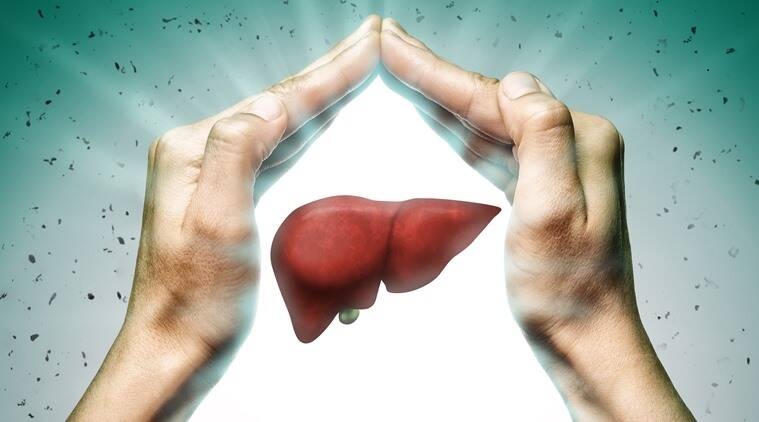
The liver is an essential organ for detoxifying the body, metabolizing fats, and storing nutrients. In a world where we are increasingly exposed to toxins, food additives, and unbalanced diets, it is vital to provide the liver with the necessary support to function optimally.
Fortunately, nature offers us a wide range of foods that contribute to the regeneration and protection of the liver. Here are the most effective among them, supported by research and medical recommendations.
1. Artichoke – The Liver’s Protective Plant
Artichoke (Cynara scolymus) is one of the most renowned hepatoprotective plants. It contains cynarin, a substance that stimulates bile secretion, aiding in the digestion of fats and the healing of the liver.
Study: Research published in Phytomedicine (2010) shows that artichoke extract can reduce liver enzyme levels and has antioxidant and regenerative effects on liver cells.
Medical Recommendation:
Artichoke is recommended in hepatic steatosis and hepatobiliary dysfunctions. It can be administered in capsule form or as an infusion, says Dr. Maria Rădulescu, a specialist in phytotherapy.
How to Consume: as a supplement, infusion, or added to salads, lightly cooked.
2. Turmeric – A Natural Anti-Inflammatory
Curcumin, the main active compound in turmeric, is a powerful anti-inflammatory that helps protect the liver from oxidative stress and inflammation.
Study: According to an analysis in Journal of Clinical and Experimental Hepatology (2016), curcumin can reduce fat accumulation in the liver and inhibit the inflammatory process specific to hepatic steatosis.
How to Consume:
in turmeric milk (golden milk)
sprinkled on dishes
as a supplement (ideally with black pepper for better absorption)
3. Garlic – An Exceptional Detoxifier
Garlic contains allicin and selenium, compounds that stimulate liver enzymes responsible for detoxifying the body.
Study: A study published in Avicenna Journal of Phytomedicine (2013) highlighted that garlic contributes to reducing fat in the liver and has antioxidant effects.
How to Consume: raw, crushed, and left for 10 minutes before eating to activate the active compounds.
4. Avocado – Regeneration and Protection
Avocado is rich in glutathione, an essential antioxidant for liver detoxification. It also contains healthy fats that support liver function.
Study: Japanese researchers found that avocado has the ability to reduce liver damage caused by toxins, more effectively than 22 other tested fruits (Journal of Agricultural and Food Chemistry, 2000).
5. Beetroot – Blood Purifier
Beetroot is rich in betaine, which supports fat metabolism and prevents its accumulation in the liver. It also aids in the regeneration of liver cells.
Recommendation:
Beet juice is an excellent liver tonic. It is recommended in 7-10 day courses, combined with carrots and apples, says Dr. Ioan Mureșan, a nutritionist.
6. Leafy Greens – The Liver’s Green Allies
Spinach, chard, arugula, or beet greens help neutralize heavy metals, pesticides, and food additives. They are rich in chlorophyll and stimulate bile flow.
How to Consume: raw in salads, green juices, smoothies, or lightly cooked.
7. Green Tea – Antioxidant Protection
Green tea is rich in catechins, antioxidants that improve liver function and combat fat deposits.
Study: According to the International Journal of Molecular Medicine (2015), green tea has demonstrated beneficial effects in reducing non-alcoholic fatty liver disease.
8. Nuts – Rich in Arginine and Omega-3
Nuts contain arginine, an amino acid that helps the liver eliminate ammonia, as well as healthy fats that reduce liver inflammation.
Practical Tip: consume 5-7 nuts per day, raw, unprocessed.
Final Tips for a Healthy Liver
Along with a proper diet, consider the following recommendations:
- Stay properly hydrated (2-2.5 liters/day)
- Avoid alcohol and ultra-processed foods
- Exercise regularly
- Consume moderate portions, avoiding overeating
The liver is a powerful hero that works day and night for our health. By taking care of it with the right foods, we empower it to protect us from toxins and maintain the balance of the entire body.
Remember: prevention is always easier than treatment!




