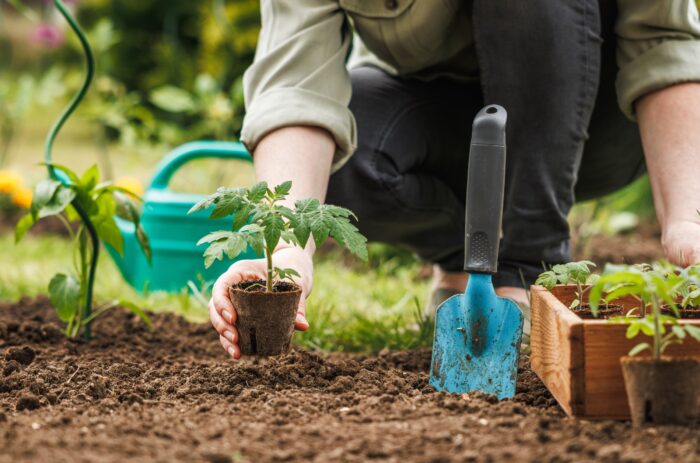
Gardening is not just a pleasant and relaxing activity; it is a true exercise for both the body and the mind. Away from the daily hustle and bustle, in the midst of nature, gardening offers benefits that rival those of moderate sports sessions and relaxation therapies.
Why Gardening is a Complete Exercise
Gardening involves varied physical movements: digging, planting, watering, weeding, or pruning. All these activities engage the muscles, improve flexibility, balance, and coordination. According to a study published in Journal of Health Psychology, 30 minutes of gardening burns between 150 and 300 calories, depending on the intensity, similar to a brisk walk or a light aerobic session.
At the same time, this activity has a significant impact on mental health. Gardening reduces cortisol levels (the stress hormone), stimulates the secretion of serotonin and dopamine (the happiness hormones), and contributes to an overall sense of well-being.
What Experts Say
Dr. Eva Selhub, an expert in mind-body medicine at Harvard Medical School, states:
The time spent in nature, especially gardening, helps regulate the nervous system and reduces inflammation in the body. It is a form of active meditation.
She also emphasizes that touching plants, the smell of damp soil, and connecting with the natural cycle of life provide the brain with positive stimuli that can combat anxiety and depression.
The Psychology Behind Gardening
Gardening offers a sense of control and accomplishment. Psychologists argue that caring for a plant and observing daily progress activates the area of the brain responsible for reward. Essentially, every flower that blooms or every vegetable harvested triggers satisfaction and motivation.
According to the American Psychological Association, gardening can reduce symptoms of depression by up to 50%, especially in older adults or those with chronic illnesses.
What Recent Studies Say
A study published in 2020 in Preventive Medicine Reports showed that people who regularly engage in gardening sleep better, have a lower risk of cardiovascular diseases, and exhibit higher levels of empathy and social connection.
Other research from the UK found that just 20 minutes a day spent gardening significantly reduces stress levels and improves attention and memory.
Gardening is more than just a hobby: it is a form of physical and psychological therapy. Whether you have a large garden or just a few pots on a balcony, this activity can enhance your mental health, physical fitness, and overall quality of life. In a fast-paced and digitalized world, connecting with nature through gardening becomes not just a pleasure but a necessity.




