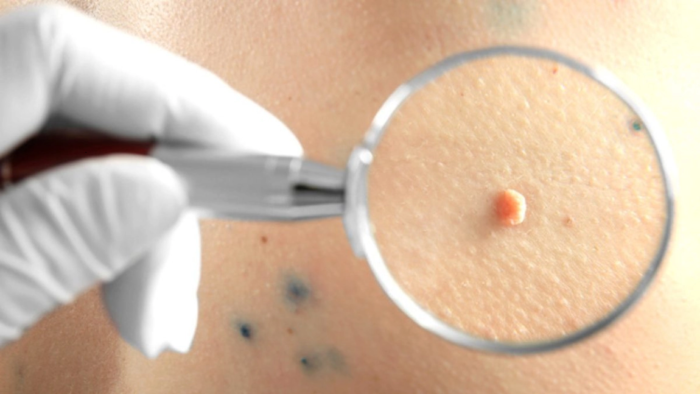
Warts are skin growths caused by the human papillomavirus (HPV). There are over 100 types of HPV. The virus enters the body through areas where there is damaged tissue and causes the appearance of warts on the face, genital organs, and hands. These can be removed by a dermatologist through various procedures or, for those with more patience, a natural treatment for papillomas can be tried.
When dealing with warts, it is ideal to visit a dermatologist to have them removed through various procedures. Surgical removal is an option for larger warts or those that do not respond to other treatments. The procedure involves excising the wart using a minor surgical intervention. Electrocautery or laser treatment involves using heat or laser light to burn or destroy the wart. These procedures can also be effective for larger warts or those resistant to other treatments.
Cryotherapy (removal of warts with liquid nitrogen) is a common treatment for papillomas and involves freezing them with liquid nitrogen. This leads to the destruction of viral cells and the elimination of the wart. There are also various creams, gels, or solutions based on salicylic acid or trichloroacetic acid that can be applied directly to the wart to stimulate exfoliation or destruction of viral cells.
Many people also prefer natural treatments and have enough patience to repeat the wart removal operations, which can take several months. Therefore, if you want to try a natural treatment for papillomas, it is good to remember that you will not solve the problem immediately, but it will take more time to see results.
What Causes Papillomas (Warts)?
Warts are small, non-inflammatory skin formations caused by infection with the human papillomavirus (HPV). As mentioned, there are over 100 different types of HPV, and the types that cause warts on the skin are generally those transmitted through direct contact from one person to another or through contact with contaminated objects. Here are some of the causes that can contribute to the appearance of papillomas:
Causes of Papillomas: Direct Contact with the Virus
Warts are contagious and can be transmitted through direct contact with a person infected with HPV or through contaminated objects, such as towels, bed linens, or other personal items.
Causes of Papillomas: Damaged Skin
Micro-lesions or minor scratches on the skin can make it easier for the HPV virus to penetrate the skin and cause the appearance of warts.
Causes of Papillomas: Weakened Immune System
People with weakened immune systems, such as those suffering from HIV infections or those receiving immunosuppressive treatments, may be more prone to developing warts, as their immune system cannot effectively fight the virus.
Causes of Papillomas: Warm and Moist Areas
Warts may appear more frequently in the warm and moist areas of the skin, such as the fingers and toes or around the nails.
Causes of Papillomas: Exposure to Disinfectant Solutions or Chemicals
Working with chemicals or exposure to disinfectant solutions can increase the risk of developing warts in certain cases.
These warts can vary in size, shape, and texture and can appear in different areas of the body, including the hands, feet, face, and genital area. Although warts can be unsightly or cause discomfort, they are generally harmless. However, if you have warts that cause pain, bleeding, itching, or severe discomfort, it is recommended to consult a doctor or dermatologist for evaluation and appropriate treatment. As discussed, there are several treatment options available, including cryotherapy, topical treatments, or surgical removal of warts.
Natural Treatment for Papillomas
Here are some ideas for natural remedies that are said to help if you want to get rid of papillomas:
Natural Treatment for Papillomas: Tea Tree Oil (Melaleuca alternifolia)
Tea tree oil has antimicrobial and exfoliating properties. According to a small study, topical treatments with tea tree oil help reduce warts in as little as 12 days. However, there are no large-scale studies supporting this claim.
If you still want to try this remedy, apply 1 drop of tea tree oil on the wart, diluted with vegetable oil (such as sunflower oil) on a cotton pad. Place the pad on the wart and let it act for 10 minutes. Repeat the operation two or three times a day until you see improvements. Never apply undiluted essential oil directly to the skin, as it can cause irritation or burns.
Natural Treatment for Papillomas: Apple Cider Vinegar
Apple cider vinegar is another popular natural treatment for papillomas, specifically warts on the hands. To try this method, mix two parts apple cider vinegar with one part water in a bowl. This natural treatment for papillomas involves soaking a cotton pad in the obtained solution and applying it to the skin with warts every night before going to bed. The vinegar should be left to act for 3-4 hours.
Even though apple cider vinegar is a natural treatment, it is acidic and can cause pain and discomfort upon direct contact with the skin. Apple cider vinegar should not be applied undiluted to the skin, as it can cause irritation and burns. Additionally, this natural remedy should not be applied to open wounds.
Natural Treatment for Papillomas: Garlic
Garlic has a long history in treating certain skin conditions, such as psoriasis or keloid scars. It is also used to stop bacterial, fungal, and viral infections, such as warts. According to an older study, garlic extract can eliminate warts in four weeks. The allicin extract from garlic has microbial effects, working by destroying the enzymes in harmful pathogens. To treat warts with garlic, crush a clove of garlic and mix it with a little water until you obtain a paste.
Apply the paste to the wart and cover it with a bandage. Repeat the procedure every day for three to four weeks. You can also apply garlic juice.
Natural Treatment for Papillomas: Propolis
Another supposed natural treatment for papillomas is propolis. Bees produce a resin-like substance called propolis. It contains plant substances, beeswax, pollen, and enzymes. Research suggests that propolis has antimicrobial properties and helps in the production of skin cells. It is used to treat acne and to accelerate the healing of wounds. Therefore, it is believed that propolis also helps in healing infected skin and in fighting against HPV. Apply 2-3 drops of propolis on the wart, cover the area with a bandage, and let the remedy act overnight. Repeat the procedure daily.
Other Remedies for Warts
Salicylic Acid
Salicylic acid from aspirin has a keratolytic action, which means it helps to diminish warts. All you need to do is crush an aspirin tablet and mix the obtained powder with a little water. Apply the paste to the warts and cover with a bandage. Let the mixture act and repeat the procedure until you see improvements. When choosing salicylic acid, it is good to know that higher percentages (20 to 40%) are the most effective. Over-the-counter products should be used daily and may require weeks or even months of treatment to completely eliminate warts.
Vitamin C
Vitamin C has immune-boosting properties. This vitamin is also essential for wound healing. It is believed that it can combat HPV, although quality scientific evidence is limited. If you still want to try this treatment, crush a vitamin C tablet and mix it with a little water. Apply the paste to the wart, cover with a bandage, and let it act overnight. Repeat the operation daily and see if it has an effect on the warts. Some specialists suggest that vitamin C is more effective when mixed with lemon juice. Lemon juice can cause skin irritation, so use it with caution.
Baking Soda
Baking soda and castor oil are also remedies that can be used to treat warts. Other examples of plants that may help in treating warts include Echinacea, E. Walachii, Ficus carica, and garlic ointments.




