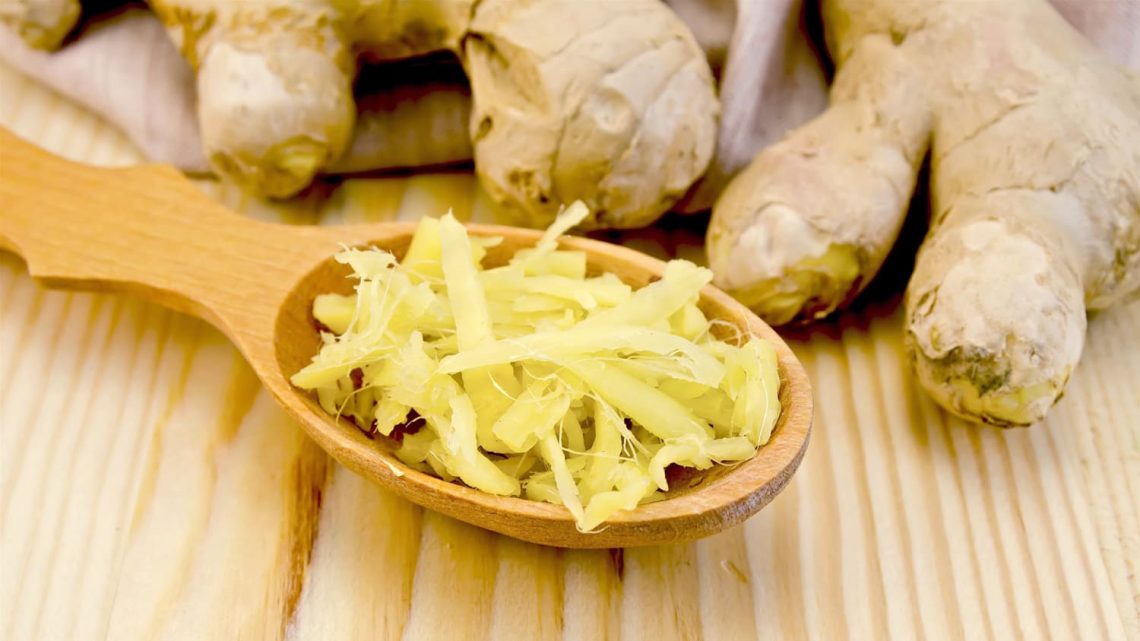
The ginger poultice is a natural remedy used in various cultures to treat a range of ailments, due to its anti-inflammatory, analgesic, and blood circulation-stimulating properties. Ginger, a versatile spice with multiple uses, is known not only for its benefits when consumed but also for its external effects when applied to the skin in the form of a poultice.
What is a poultice?
A poultice is a paste or mixture applied to the skin, which can be used to soothe pain, reduce inflammation, or treat various skin conditions. These mixtures are usually made from plants, herbs, clay, or other natural substances that have a therapeutic effect when applied locally. Ginger is often used to create an effective poultice due to the active compounds that are released when it is ground and mixed with other ingredients.
Therapeutic properties of ginger
Ginger contains bioactive substances, such as gingerols and shogaols, which have numerous health benefits. When applied to the skin, ginger has the following effects:
1. Anti-inflammatory properties: Ginger helps reduce local inflammation, making it useful in treatments for arthritis, muscle pain, and other inflammatory conditions.
2. Improved blood circulation: Ginger stimulates blood circulation, which can help reduce pain and discomfort in the applied area.
3. Analgesic properties: This spice has a soothing effect on pain, being useful in combating muscle and joint pain.
4. Antioxidant properties: Ginger protects cells from oxidative stress, thus contributing to maintaining skin and tissue health.
How to prepare and apply a ginger poultice?
To prepare a ginger poultice, you will need the following ingredients:
Fresh ginger or ginger powder: Fresh ginger is more effective as it contains more active compounds. However, ginger powder can be used as an alternative.
Warm water or oil (depending on preference): Water is used to create a paste from ginger, while oil can be used to make the mixture easier to apply to the skin and to add a moisturizing component.
Clay (optional): This can be added to enhance the effectiveness of the poultice depending on the condition being treated.
Steps for preparation:
1. Grinding the ginger: If using fresh ginger, grate or crush it into a fine paste. If using ginger powder, it can be mixed directly with water or oil.
2. Mixing: Gradually add warm water (or oil) to the ground ginger, mixing until a thick paste is obtained. You can also add a little clay or crushed beans to give the mixture consistency.
3. Application: Apply the obtained paste to the affected area. Make sure the area is clean and dry before applying the poultice.
4. Action time: Leave the poultice on the skin for 15-30 minutes. If you feel a strong burning sensation, remove the poultice immediately, as ginger can be quite active on the skin. If there is no irritation, the poultice can be left on for a longer time.
Benefits of the ginger poultice
1. Arthritis and joint pain: Ginger is used in treatments for arthritis due to its anti-inflammatory properties. When applied to inflamed joints, ginger can reduce pain and stiffness.
2. Muscle pain: Individuals who have muscle pain due to physical fatigue or intense effort can benefit from a ginger poultice. Ginger reduces inflammation and relaxes tense muscles.
3. Injuries and sprains: Ginger poultices can accelerate the healing process of injuries by stimulating circulation and reducing local inflammation.
4. Digestive issues: Ginger is a traditional remedy for digestive disturbances. In certain cases, applying a poultice to the abdominal area can help alleviate digestive discomfort, such as bloating or stomach pain.
5. Skin irritations: Ginger can also be used to soothe mild skin irritations, such as rashes or insect bites, due to its calming and antiseptic properties.
Precautions and contraindications
Although the ginger poultice can be very effective, it is important to keep in mind a few precautions:
Skin irritations: Ginger can cause irritation or a burning sensation on the skin, especially if left on for too long. It is recommended to do a patch test on a small area of skin before full application.
Sensitivity to ginger: Some individuals may be sensitive to ginger. If an allergic reaction occurs (redness, rashes, or swelling), remove the poultice immediately and consult a doctor.
Do not use on open wounds: Ginger should not be applied to open wounds or severe injuries, as it can cause severe irritation.
Conclusion
The ginger poultice is an effective natural remedy for treating various types of pain and inflammation. Due to its anti-inflammatory and analgesic properties, ginger can help reduce discomfort caused by arthritis, muscle pain, or sprains. It is important to be mindful of skin reactions and to apply the poultice correctly to benefit from its therapeutic effects.




