With so many soap options available, it can be difficult to know which one is best for your skin.
Moreover, many soaps made commercially are not real soaps. Only a few soaps on the market are true soaps, while most cleansing products are made from synthetic detergents.
Given the increasing demand for natural soaps, goat milk soap has gained popularity for its soothing properties and short ingredient list.
This article reviews everything you need to know about goat milk soap, including its benefits, uses, and whether it can help treat skin conditions.
What is Goat Milk Soap?
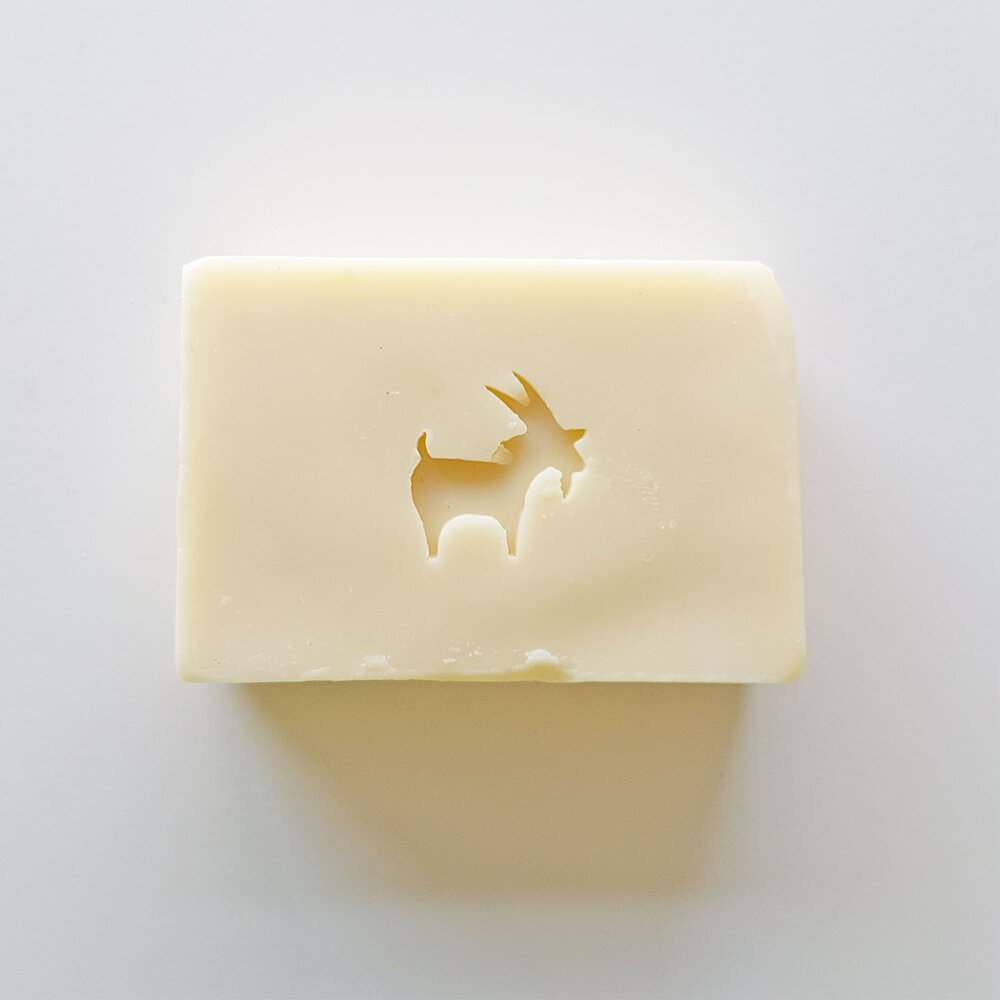
Goat milk soap is exactly what it sounds like: soap made from goat’s milk. It has recently gained popularity, but goat milk and other fats have been used for cosmetic products and soaps for thousands of years.
Goat milk soap is made through the traditional soap-making process known as saponification, which involves combining an acid (fats and oils) with a base called lye.
In most soaps, lye is created by combining water and sodium hydroxide. However, in the making of goat milk soap, goat milk is used instead of water, allowing for a creamier consistency due to the fats that occur naturally.
Goat milk is rich in both saturated and unsaturated fats, making it ideal for soap production. Saturated fats increase the lather of a soap or bubble production, while unsaturated fats provide moisturizing and nourishing properties.
Additionally, other plant-based oils, such as olive oil or coconut oil, can be used in goat milk soap to further increase the content of healthy and nourishing fats.
Benefits of Goat Milk Soap
Goat milk soap has several beneficial characteristics that can help you maintain healthy skin and feel good.
1. Gentle Cleansing
Most commercially made soaps contain harsh surfactants that can strip the skin of its natural moisture and oils, leaving it feeling dry and tight.
To maintain your skin’s natural moisture, it is best to use products that do not strip the natural fats from your skin barrier.
Goat milk soap has a high fat content, particularly caprylic acid, allowing for gentle removal of dirt and debris without stripping the skin’s natural fatty acids.
2. Rich in Nutrients
Goat milk is rich in fatty acids and cholesterol, which make up a large part of the skin’s membrane. A lack of these components in your skin can lead to dryness and irritation.
Furthermore, milk is a good source of vitamin A, a fat-soluble vitamin that has been shown to have anti-aging properties.
Lastly, it is a good source of selenium, a mineral that has been shown to support a healthy skin membrane. It may even improve symptoms of psoriasis, such as dry skin.
However, the nutrient levels in goat milk soap largely depend on the amount of milk added during production. Additionally, it is difficult to determine how effective these nutrients are due to a lack of research.
3. May Improve Dry Skin
Dry skin, known as xerosis, is a condition caused by low water levels in the skin.
Normally, your skin’s lipid barrier gradually loses moisture. Therefore, low lipid levels can lead to excessive moisture loss and dry, irritated, and tight skin.
People with certain dry skin conditions, namely psoriasis and eczema, often have lower levels of lipids, such as cholesterol, ceramides, and fatty acids, in their skin.
To improve dry skin, the lipid barrier needs to be rebuilt and rehydrated. The high levels of cholesterol and fatty acids in goat milk soap can replace lost fats while providing moisture to allow for better water retention.
Additionally, using harsh soaps can strip the skin of its natural moisture, which can exacerbate dry skin. Using a gentle, fat-rich soap like goat milk soap can help support and restore skin moisture.
4. Natural Exfoliant
Goat milk soap contains compounds that can exfoliate your skin.
Alpha-hydroxy acids (AHAs) are used to treat a variety of skin conditions, such as scars, age spots, and hyperpigmentation, due to their natural exfoliating ability.
Lactic acid, an AHA found naturally in goat milk soap, has been shown to gently remove the top layer of dead skin cells, allowing for a more youthful complexion.
Moreover, lactic acid is known to be one of the gentlest AHAs, making it a suitable option for those with sensitive skin.
However, the amount of AHAs in goat milk soap remains unknown, making it difficult to determine how effective it is for exfoliating the skin. Therefore, more research is needed.
5. Supports a Healthy Skin Microbiome
Goat milk soap can support a healthy skin microbiome by collecting beneficial bacteria on the surface of your skin.
Due to its gentle cleansing properties, it does not strip your skin’s natural lipids or beneficial bacteria. Maintaining your skin’s microbiome improves the barrier against pathogens, preventing potential skin conditions such as acne and eczema.
Additionally, goat milk contains prebiotics like Lactobacillus, which is responsible for producing lactic acid. It has been shown to have anti-inflammatory effects in the body, including on the skin.
6. May Prevent Acne
Due to its lactic acid content, goat milk soap may help control or prevent acne.
Lactic acid is a natural exfoliant that gently removes dead skin cells, helping to prevent acne by keeping pores free of dirt, oil, and excess sebum.
Moreover, goat milk soap is gentle and can help maintain skin moisture. Unlike many facial cleansing products that contain harsh ingredients that can dry out the skin, leading to excess oil production and clogged pores.
While promising, acne treatment varies from person to person. Therefore, consult a dermatologist or another health professional to ensure you are using the best product for your skin.
Where to Find Goat Milk Soap
Although goat milk soap is gaining popularity, it is not found in all stores or supermarkets.
Most goat milk soap is handmade by small business owners, but larger retailers also have some options available.
Additionally, you can purchase goat milk soap online with a quick search.
You may also find this soap at health food stores.
Finally, keep in mind that if you have sensitivities or skin allergies, choose a goat milk soap without added fragrances such as lavender or vanilla, as these may irritate or exacerbate symptoms.