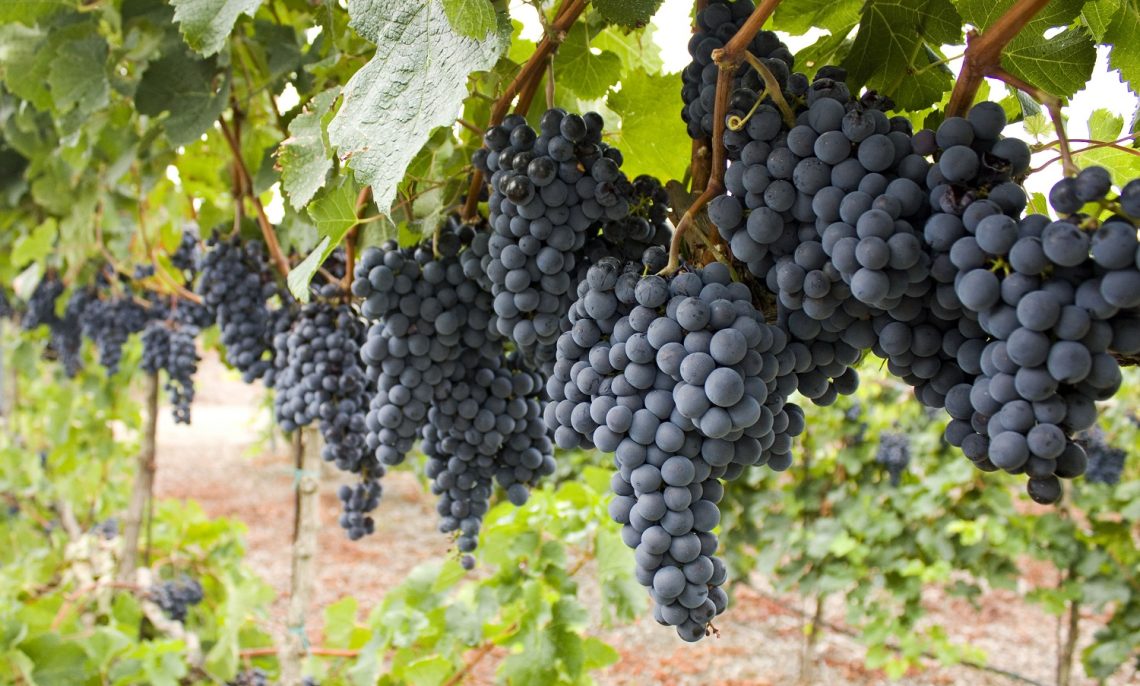
Complex biochemical analyses have shown that the pulp of the grape berry, especially in the skin and seeds, contains almost all vitamins, with higher amounts of vitamins C, B1, B2, B3, B5, B6, B9, as well as vitamins D, K, E, and F.
Additionally, the grape berry is rich in chlorides, phosphates, sodium iodides, potassium, calcium, magnesium, copper, zinc, iron, and selenium, along with amino acids, quercetin, malic acid, tartaric acid, and coenzyme Q10.
Moreover, it has a high water content (81%), which makes grapes significantly contribute to maintaining good hydration of the body and, implicitly, the skin.
Benefits of Grapes
To achieve the desired therapeutic effects, grapes must be consumed with their skin, which, from a medicinal point of view, represents the most active part of the grapes. It contains tannins, substances with astringent, healing, and antiseptic effects on the skin. The seeds and skin of grapes (especially red ones) contain resveratrol, quercetin, and pterostilbene, which are antioxidants.
Due to this complex composition, grapes support liver health, serving as a remedy against gallstones, and are beneficial for kidney health by reducing urine acidity.
Grapes are also a fortifier for the heart, blood vessels, and lungs, having an anti-asthmatic effect. Thanks to polyphenols, black grapes protect the heart and prevent blood clot formation, thus reducing the risk of heart attack and stroke. Red grapes prevent the onset of atherosclerosis.
Grapes Have Anti-Cancer Effects
Grapes are among the most energy-dense fruits, providing 72 kcal/100g, almost as much as figs, but less than bananas. The high carbohydrate content is very well absorbed by the body, thanks to the presence of vitamin B, which leads to proper functioning of the muscular and nervous systems.
Thus, grapes are an important source of energy, being highly favored among children and athletes.
Daily consumption of grapes can prevent memory degradation, reducing the risk of dementia, including Alzheimer’s disease.
Additionally, the consumption of grapes has an anti-cancer effect due to the presence of procyanidins. Type B procyanidins, especially their phosphorus compounds found in white grapes, have a particularly strong effect on enhancing the body’s ability to fight external toxic factors.




