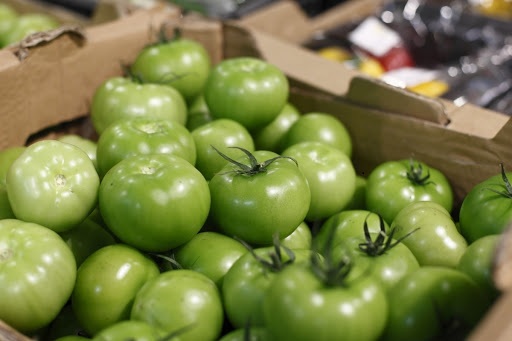
Green tomatoes, known as unripe tomatoes harvested before ripening, are a common presence in Romanian gardens and kitchens. They are appreciated for their tangy taste and crunchy texture, especially when pickled, but few know that even raw, they have a unique composition. Green tomatoes contain active substances such as tomatine, vitamins, and antioxidants that can positively influence the functioning of the body. Despite their modest appearance, they are increasingly studied for their effects on immunity, digestion, and metabolism. With careful and correct consumption, they can bring significant health benefits.
Chemical Composition
Green tomatoes stand out with a distinct composition:
- Tomatine – an alkaloid specific to green tomatoes, with antimicrobial and anti-inflammatory effects
- Vitamin C – in higher quantities than in ripe tomatoes
- Vitamin K1 – essential for blood coagulation
- Fiber – which supports digestion and intestinal transit
- Carotenoids (lutein and zeaxanthin) – important for vision
- Organic acids – citric and malic acid, which contribute to detoxification
- Flavonoids and polyphenols – with strong antioxidant action
Benefits
1. Supports the Immune System
Green tomatoes contain a significant amount of vitamin C, an essential vitamin for supporting immunity. Vitamin C stimulates the production of white blood cells and helps combat viral and bacterial infections. Additionally, tomatine – the alkaloid present exclusively in green tomatoes – has been shown in laboratory studies to have antimicrobial effects against bacteria such as E. coli and Staphylococcus aureus. This compound indirectly supports the immune response and reduces the risk of chronic inflammation. Studies have shown that extracts from green tomatoes can modulate immunity and inhibit the development of certain pathogens.
2. Helps Regulate Blood Sugar
The fiber in green tomatoes slows down glucose absorption in the blood, helping to prevent spikes in blood sugar after meals. Tomatine also has an interesting effect: in animal experiments, it has been observed to reduce intestinal glucose absorption and improve insulin sensitivity. Furthermore, green tomatoes have a low glycemic index, making them suitable for the diet of individuals suffering from diabetes or prediabetes. Occasional consumption, especially in pickled form, can contribute to maintaining a balance of sugar in the blood. However, it is important that these effects are complemented by an overall healthy diet.
3. Antioxidant and Potential Anti-Cancer Effects
Green tomatoes contain flavonoids and polyphenols that neutralize free radicals, protecting cells from oxidative degradation. These compounds reduce oxidative stress, a factor involved in the development of chronic diseases and cancer. Additionally, tomatine has been studied in vitro for its ability to induce apoptosis (programmed cell death) in cancer cells, particularly those of the colon and prostate. Research published in Food and Function has shown that tomatine can inhibit tumor development without affecting healthy cells. These results are promising, but more clinical studies are needed to confirm the effects in humans.
4. Supports Eye Health
Lutein and zeaxanthin, two carotenoids present in green tomatoes, accumulate in the retina of the eye and provide protection against blue light and oxidative stress. Regular consumption of natural sources of these compounds can slow the progression of age-related macular degeneration, a common condition in the elderly. These substances have been correlated with clearer vision and better contrast sensitivity. Unlike synthetic supplements, green tomatoes provide a balanced and natural intake of carotenoids. Even when pickled, they retain some of these compounds.
5. Contributes to Reducing Inflammation
Experimental studies show that extracts from green tomatoes can inhibit the activity of the COX-2 enzyme, responsible for producing inflammatory substances in the body. This action can reduce joint, digestive, or skin inflammation, being useful in cases of arthritis, colitis, or dermatological conditions. Tomatine, along with flavonoids, acts synergistically in reducing inflammatory markers. Additionally, by supporting digestion and the elimination of toxins, green tomatoes indirectly help reduce systemic inflammation. This effect is more pronounced when consumed in fermented form.
Ways to Use
1. Pickled Green Tomatoes with Horseradish and Garlic
A classic recipe, appreciated for its taste and digestive benefits. Green tomatoes are thoroughly washed, placed in a jar with horseradish, garlic, mustard seeds, and dill leaves, then brine (1 tablespoon of salt/liter of water) is poured over them. They are left to ferment for 10-14 days.
Benefits: probiotic intake, support for intestinal flora, increased immunity.
2. Green Tomato Juice for Detoxification
Prepared from well-washed green tomatoes, blended, and strained. Consume 100 ml in the morning, 2-3 days a week, for 2 weeks.
Recommended in short courses, with medical advice, due to the presence of tomatine in raw form.
3. Green Tomato Poultice for Local Inflammation
Thin slices of raw green tomatoes are applied to inflamed areas or boils, covered with gauze. Keep for 20-30 minutes, twice a day.
They can reduce local inflammation due to the effect of tomatine.
Contraindications
- Consumption in raw form, in large quantities, is not recommended due to the content of tomatine, which can become toxic in excess.
- They may cause nausea, digestive disturbances, or dizziness in sensitive individuals.
- Pregnant women, small children, and individuals with liver conditions should avoid regular consumption or consult a doctor.
- Raw green tomato juice is not recommended daily and should only be consumed in short courses.
Pickling reduces tomatine by over 70%, making green tomatoes safer and easier to digest.
Green tomatoes are more than just a traditional ingredient for pickling. With a rich and active composition, they can become a natural support for immunity, digestion, vision, and cellular protection if consumed correctly. They should be treated with respect, as they are unripe fruits with intense properties that require balance. With moderation and information, they can bring significant benefits to seasonal diets.
Sources:
- Journal of Agricultural and Food Chemistry – Tomatine-rich green tomato extracts inhibit bacterial growth and modulate immune response
- Food and Function – Tomatine-induced apoptosis in human colon cancer cells




