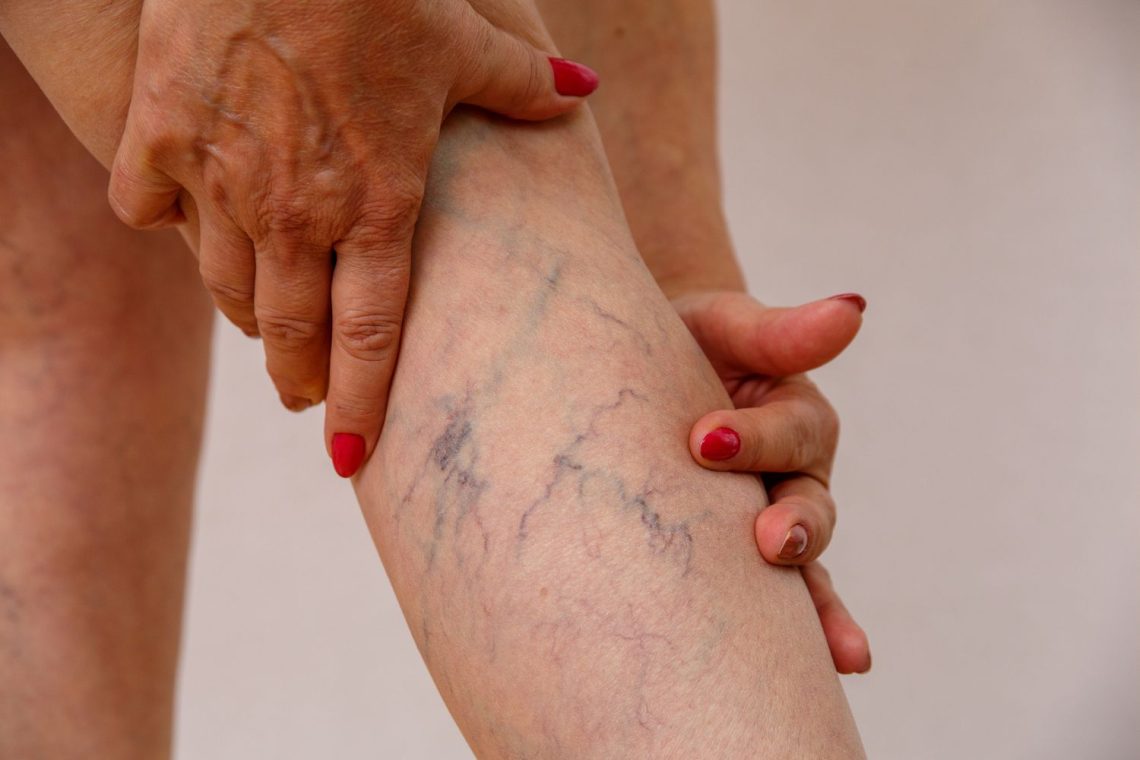
Varicose veins usually appear in the legs but can also occur in other parts of the body.
Varicose veins are swollen, painful, and sometimes uncomfortable veins that have filled with blood that does not flow normally, according to Medline Plus, the U.S. National Library of Medicine.
Additionally, the source explained that varicose veins most often appear in the legs and are often bulging and blue in color.
The National Heart, Lung, and Blood Institute in the U.S. stated that other symptoms of varicose veins include:
- Swelling in the legs.
- Pain in the legs.
- Feeling of heaviness in the calves and thighs.
- Itching around the vein or veins.
- Changes in skin color around the vein or veins.
- Nocturnal leg cramps.
Risk Factors
Meanwhile, the Mayo Clinic, a non-profit organization focused on clinical practice, education, and research, stated that the risk factors include:
Age
Aging causes natural wear and tear on the valves in veins that help control blood flow. Over time, this wear allows the valves to permit blood to flow back into the veins, where it accumulates.
Gender
Women are more likely to have this condition. Hormonal changes before menstruation or during pregnancy or menopause can be a factor, as female hormones tend to relax the walls of the veins. Hormonal treatments, such as birth control pills, can increase the risk of developing varicose veins.
Pregnancy
During pregnancy, the volume of blood in the body increases. This change helps support the developing baby but can also enlarge the veins in the legs.
Family History
If other family members have had varicose veins, there is a higher chance that you will also have varicose veins.
Obesity
Excess weight puts additional pressure on the veins.
Standing or sitting for long periods of time. Movement helps blood circulate.
However, it is important to note that the non-profit organization emphasized that treatment for varicose veins may include self-care measures, compression stockings, and surgical procedures.
Similarly, a study conducted by the Harvard T.H. Chan School of Public Health revealed that nuts are ideal for protecting blood vessels, as they promote circulation.
As such, the American Heart Association makes the following recommendations for nut consumption:
- Consume about four servings of unsalted nuts per week. One serving is a small handful of nuts, which is about 43 grams.
- Choose nuts that are raw or dry roasted.
- Avoid eating nuts cooked in oil.
- For those who enjoy nut butter, consume two tablespoons.




