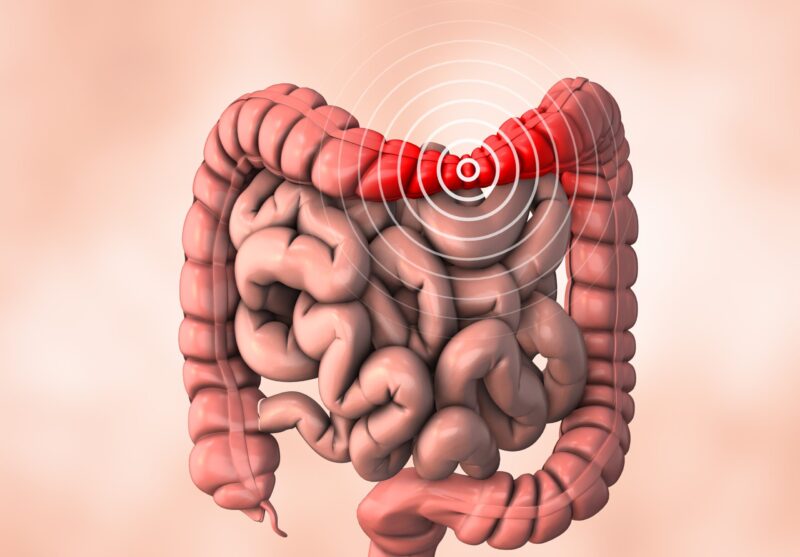
Irritable Bowel Syndrome (IBS) is a chronic digestive condition that affects a significant number of people worldwide. This condition can cause a variety of symptoms, including abdominal pain, bloating, cramps, diarrhea, or constipation.
Although there is no permanent remedy for IBS, an important aspect of managing this condition is diet. Certain foods can trigger or worsen symptoms, and one of the most common fruits that should be avoided is apples.
Apples: The Fruit That Can Trigger IBS Symptoms
Although apples are considered a healthy and nutritious fruit, they contain a high amount of insoluble fiber and sorbitol, a type of sugar that can be difficult to digest for people with irritable bowel syndrome. Specifically, sorbitol, which is found in many fruits, can draw water into the intestines, leading to bloating, diarrhea, and abdominal discomfort.
Why Should Apples Be Avoided?
People with irritable bowel syndrome often have difficulty digesting FODMAP carbohydrates (fermentable oligosaccharides, disaccharides, monosaccharides, and polyols). Sorbitol, which is a polyol, is a type of fermentable carbohydrate that can lead to gas production and increased pressure in the intestines, resulting in abdominal discomfort and bloating. Additionally, apples also contain fructose, another type of FODMAP, which can be hard to absorb and may lead to intestinal irritation.
What Alternatives Are Recommended?
If you suffer from irritable bowel syndrome, it is important to replace apples with fruits that are easier to digest. Fruits that are low in FODMAPs and are better tolerated by people with IBS include bananas, kiwis, blueberries, and strawberries. These can provide similar nutritional value without causing the discomfort associated with apples.
Recommendations for a Balanced Diet
In addition to avoiding problematic fruits like apples, it is important to adopt a balanced diet based on foods that support digestive health. To manage IBS symptoms, it is recommended to opt for a low-FODMAP diet, avoiding foods that can cause bloating or cramps. Additionally, it is essential to drink enough water, eat smaller and more frequent meals, and manage stress, which can exacerbate symptoms.
In conclusion, if you suffer from irritable bowel syndrome, you need to be mindful of your food choices, and apples are a fruit that can cause more problems than benefits. Try easier-to-digest alternatives and consult with a specialist about the dietary plan that best suits your needs.




