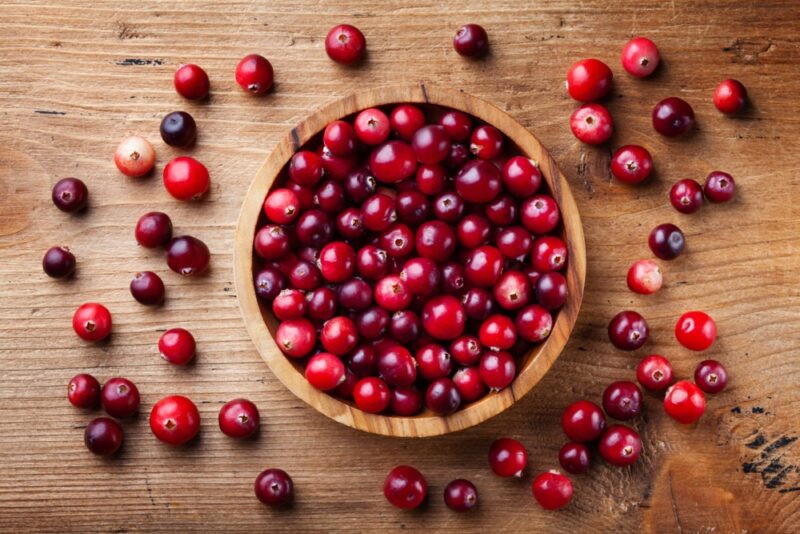
The heart is the engine of life, and hawthorn is one of the most powerful cardiotonic plants that nature offers us. Its small, red, and sour fruits have been used since ancient times to support heart health, especially in cases of fluctuating blood pressure, palpitations, cardiac fatigue, or poor circulation. With the help of some simple recipes, we can incorporate this herbal remedy into our daily routine.
The Benefits of Hawthorn Berries for the Heart
1. Regulation of Blood Pressure
Hawthorn berries contain flavonoids and oligomeric procyanidins that contribute to the relaxation of blood vessels. Through this action, they help to lower blood pressure naturally, without major side effects. These compounds stimulate the release of nitric oxide, a natural vasodilator produced by the body. Regular consumption can lead to a gradual and stable decrease in blood pressure values, especially in cases of mild hypertension. At the same time, hawthorn does not excessively lower blood pressure, adapting to the body’s needs.
2. Improvement of Blood Circulation
Hawthorn stimulates peripheral and coronary circulation, leading to better oxygenation of the heart muscle. The flavonoids in its composition help to dilate blood vessels and reduce the formation of clots. This means a decreased risk of stroke or heart attack. The fruits support microcirculation in organs and extremities, preventing the sensation of cold hands and feet. They can also be useful in cases of early-stage heart failure.
3. Calming Palpitations and Cardiac Anxiety
Many people experience irregular heartbeats due to stress or chronic fatigue. Hawthorn has mild sedative effects on the nervous system and helps regulate heart rhythm. Studies show that it acts on GABA receptors, similar to some anxiolytic plants. Thus, it can reduce palpitations, tachycardia, and sensations of pressure in the chest. It is particularly useful in cases of cardiac neurosis or emotional stress.
4. Nourishing the Heart Muscle
Hawthorn is considered a first-line cardiac tonic. Its active compounds improve the contractility of the myocardium and increase the efficiency of blood pumping. Thus, the heart tires less and functions better. It is indicated in cases of early-stage heart failure or in older individuals. It may slow the degenerative progression of the heart.
5. Reducing LDL Cholesterol Levels
Studies indicate that hawthorn can lower total cholesterol levels and LDL fraction. This is due to its antioxidant effect and its ability to reduce fat absorption in the intestines. Additionally, it prevents the oxidation of cholesterol in the blood, a factor involved in the formation of atheromatous plaques. Regular consumption can lead to a decreased risk of atherosclerosis and coronary diseases.
Scientific Studies
Efficacy of Hawthorn in Heart Failure
A systematic study published in the Cochrane Database analyzed 14 clinical trials involving over 850 patients suffering from heart failure in stages III and IV. Patients who received hawthorn extract showed significant improvements in exercise capacity, reduced dyspnea, and fatigue. The effects were comparable to those of standard medications. The study concluded that hawthorn can be used as an adjunct in the treatment of mild to moderate heart failure, especially for patients seeking natural therapies.
No serious adverse reactions were reported. This confirms the safety profile of the plant, making it recommended for long-term use. The research emphasized the importance of standardizing extracts to achieve consistent results. Positive effects were usually observed after 6 to 8 weeks of regular administration. This study remains one of the strongest scientific arguments in favor of using hawthorn for heart health.
Simple Recipes with Hawthorn Berries
1. Hawthorn Infusion
Ingredients:
- 1 tablespoon dried hawthorn berries
- 250 ml boiling water
Preparation:
Pour boiling water over the dried berries and let steep for 15 minutes. Strain and consume 2 cups a day, preferably in the morning and evening.
Usage:
Recommended in cases of hypertension, palpitations, or cardiac fatigue.
2. Hawthorn Tincture (Classic Recipe)
Ingredients:
- 50 g crushed hawthorn berries
- 250 ml 40% food-grade alcohol
Preparation:
Mix in a jar, let macerate for 2 weeks, shaking daily. Strain and store in a dark glass bottle.
Usage:
Take 20-30 drops 3 times a day in a little water for 3 months.
3. Natural Hawthorn Jam
Ingredients:
- 1 kg hawthorn berries
- 500 ml water
- 300 g honey (or another natural sweetener)
Preparation:
Boil the berries until soft, strain through a sieve, and boil until thickened. Finally, add honey or another natural sweetener. Store in the refrigerator.
Usage:
1 tablespoon in the morning on an empty stomach. It has a tonic and antioxidant effect.
4. Concentrated Decoction for Foot Bath (Peripheral Circulation)
Ingredients:
- 3 tablespoons hawthorn berries
- 1 liter water
Preparation:
Boil for 15 minutes, then pour into a basin with warm water. Soak your feet for 20 minutes.
5. Hawthorn Powder
The dried berries are finely ground in a coffee grinder. Store in an airtight jar.
Usage:
Take 1 teaspoon twice a day with a little water. Ideal for tonifying the heart and reducing cholesterol.
Contraindications
- Do not administer concurrently with beta-blockers or digoxin without medical approval.
- Contraindicated in pregnancy and breastfeeding due to lack of safety studies.
- May interact with antihypertensive medications, enhancing their effect.
- Individuals with very low blood pressure should avoid prolonged use.
- May cause mild dizziness at the beginning of treatment, especially at high doses.




