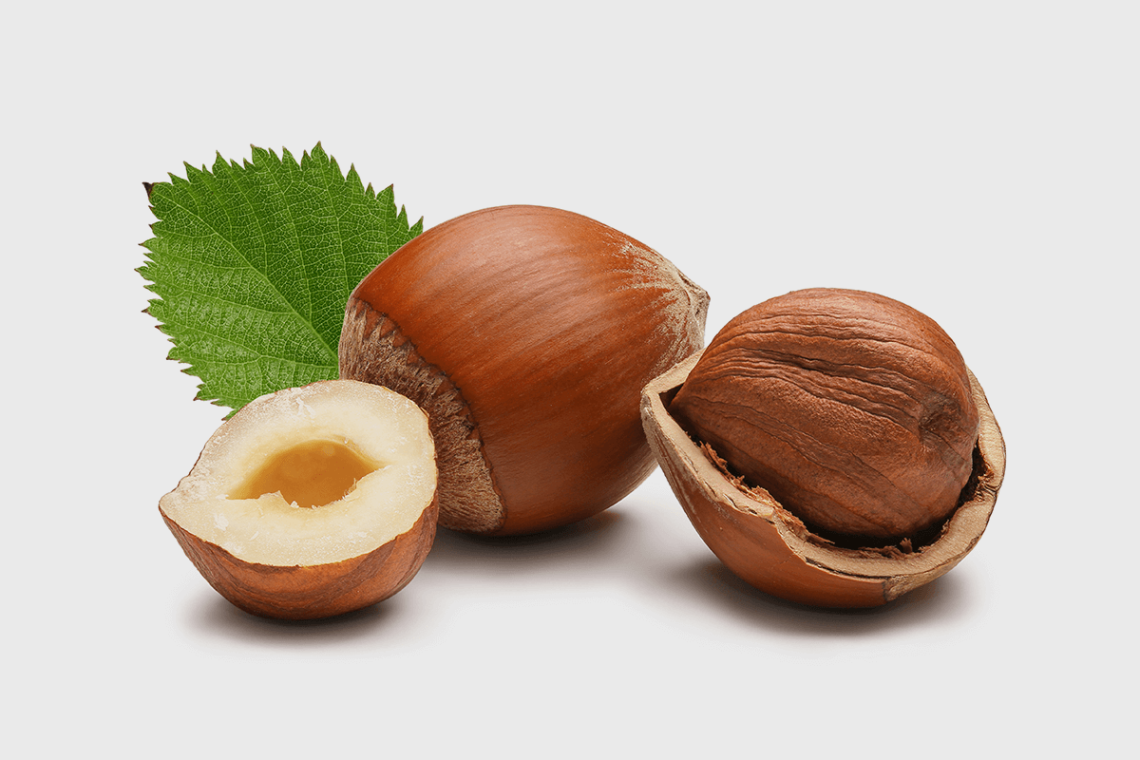
Hazelnuts have been harvested in the Black Sea region and Turkey for at least 2300 years. Turkey remains the world’s leading exporter of hazelnuts. Today, they are cultivated in various parts of the world, and demand has increased significantly. A hazelnut tree can produce nuts for up to 80 years.
In ancient times, hazelnuts were used as medicine, mentioned in Chinese manuscripts dating back to 2838 BC.
Hazelnuts contain proteins, healthy fats, fiber, manganese, copper, vitamins E, B6, C, K, thiamine, magnesium, folate, phosphorus, iron, potassium, niacin, calcium, and zinc.
1 Promotes Heart Health
In general, nuts fight against heart diseases, and hazelnuts are no exception. They contain vitamins and minerals that promote heart health. Besides fiber, they also have a high amount of monounsaturated fatty acids, which help reduce LDL (bad) cholesterol and increase HDL (good) cholesterol.
Studies conducted by the American Society for Nutrition have shown that diets rich in hazelnuts led to lower LDL cholesterol, reduced inflammation, and improved blood lipids.
These nuts also contain a considerable amount of magnesium, which helps regulate calcium and potassium balance and is essential for blood pressure.
2 Helps Control Diabetes
In a 2015 study published in the American Journal of Clinical Nutrition, an interesting outcome was observed regarding how diabetic patients reacted when hazelnuts were introduced into their diet. It was concluded that they recorded decreases in cholesterol levels. The surprising variable was that hazelnuts had a stronger effect on diabetics than on those without diabetes.
3 Antioxidant
The antioxidants present in hazelnuts eliminate harmful free radicals from the body and help prevent diseases. They are an excellent source of vitamin E, which helps combat aging and diseases by reducing inflammation.
4 Stimulates the Brain
Hazelnuts are packed with elements that can improve cognitive function and help prevent degenerative diseases later in life. Due to their high levels of vitamin E, manganese, thiamine, folic acid, and fatty acids, a diet supplemented with hazelnuts can contribute to maintaining brain health.
In a recent study published in Nutritional Neuroscience, hazelnuts were tested for their neuroprotective qualities. When provided as a dietary supplement, hazelnuts improved memory and prevented anxiety.
5 Helps Prevent Cancer
Due to their high number of antioxidants, hazelnuts fight against cancer. Vitamin E is the most notable cancer-preventing supplement. Studies have demonstrated vitamin E’s ability to reduce the risk of prostate, breast, colon, and lung cancer while preventing the growth of mutations and tumors.
6 Hazelnuts Enhance Bone Strength
These wonderful nuts are rich in essential minerals necessary for maintaining bone health. Women going through menopause may have fragile bones, especially if they have osteoporosis.
7 Contributes to Skin and Hair Health
The vitamin E in hazelnuts helps maintain skin and hair health. The antioxidant properties of this vitamin can help prevent damage caused by UV rays or cigarette smoke. It also improves blood circulation and reduces inflammation. Vitamin E helps treat scars, acne, and wrinkles due to its ability to regenerate skin cells.
8 Protects Muscles
Magnesium plays a vital role in regulating the amount of calcium that reaches the body’s cells. An adequate amount of calcium encourages muscle contractions and allows muscles to relax, helping to avoid tension, spasms, muscle cramps, and fatigue.
Attention! If you are allergic to hazelnuts, they can cause severe reactions, sometimes life-threatening!




