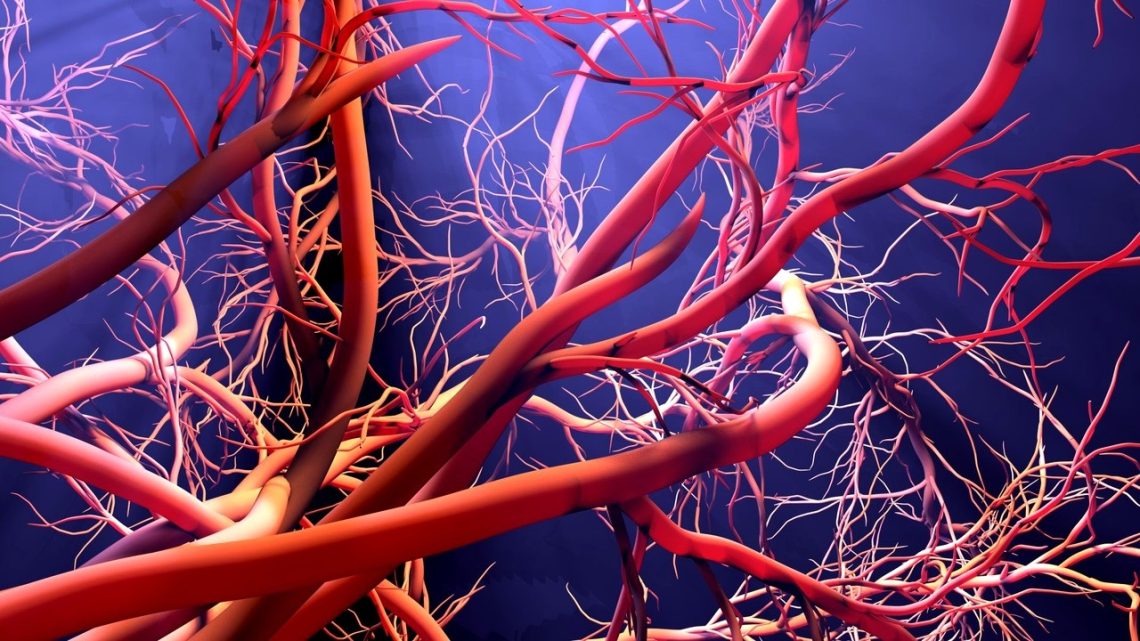
Capillary fragility, fluctuating blood pressure, and vascular inflammation are increasingly common issues, especially among individuals over 40. In this context, a simple natural remedy, easy to prepare at home, can provide real support for the circulatory system. Hibiscus tea made from hibiscus and cloves combines two medicinal plants with extensively researched properties for cardiovascular health.
Benefits of Hibiscus and Clove Tea
Strengthens the walls of fragile blood vessels
Hibiscus (Hibiscus sabdariffa), due to its high content of anthocyanins and flavonoids, acts on the walls of capillary vessels, reinforcing them and reducing the risk of micro-hemorrhages. Anthocyanins support collagen synthesis, an essential component of vascular elasticity.
Naturally lowers blood pressure
A study published in Journal of Nutrition (2008) showed that three cups of hibiscus tea per day for six weeks led to a significant reduction in blood pressure in individuals with mild hypertension. The main mechanism is vasodilation induced by polyphenols.
Cloves have vascular anti-inflammatory properties
Rich in eugenol, cloves reduce inflammation affecting the vascular endothelium (the inner lining of blood vessels). Eugenol inhibits inflammatory prostaglandins and reduces oxidative stress, thus preventing damage to vascular walls.
Improves peripheral circulation
The combination of hibiscus and cloves stimulates microcirculation and reduces the sensation of cold hands and feet. Their synergistic action helps regulate blood flow through the periphery.
Original Recipe for Hibiscus Tea for Blood Vessels
Ingredients:
- 2 tablespoons of dried hibiscus flowers
- 56 whole cloves
- 500 ml of water
- (optional) 1 tablespoon of acacia honey (only after cooling, to preserve antioxidants)
Preparation Method:
- Boil water in a kettle.
- When it comes to a boil, add the hibiscus flowers and cloves.
- Let it steep for 10 minutes, covered.
- Strain and let it cool slightly.
- Add honey only if the tea is warm (below 40°C).
Administration:
Drink 1 cup twice a day for 2-3 weeks. The treatment can be repeated after a 10-day break.
Contraindications and Precautions
Not recommended in the following cases:
- Individuals with very low blood pressure (may exacerbate hypotension)
- Pregnant women (hibiscus has a mild emmenagogue effect)
- Patients taking anticoagulant or antihypertensive medications (may potentiate their effects)
- Individuals with active gastric ulcers (cloves may irritate the mucosa)
Consult a doctor before use, especially if you have cardiovascular conditions, are taking treatments, or are pregnant or breastfeeding.
Sources:
- Journal of Nutrition – Hibiscus sabdariffa Tea Lowers Blood Pressure in Prehypertensive and Mildly Hypertensive Adults
- Phytotherapy Research – Eugenol: cardiovascular effects and therapeutic potential
- Food & Function – Antioxidant and anti-inflammatory effects of hibiscus tea: a systematic review




