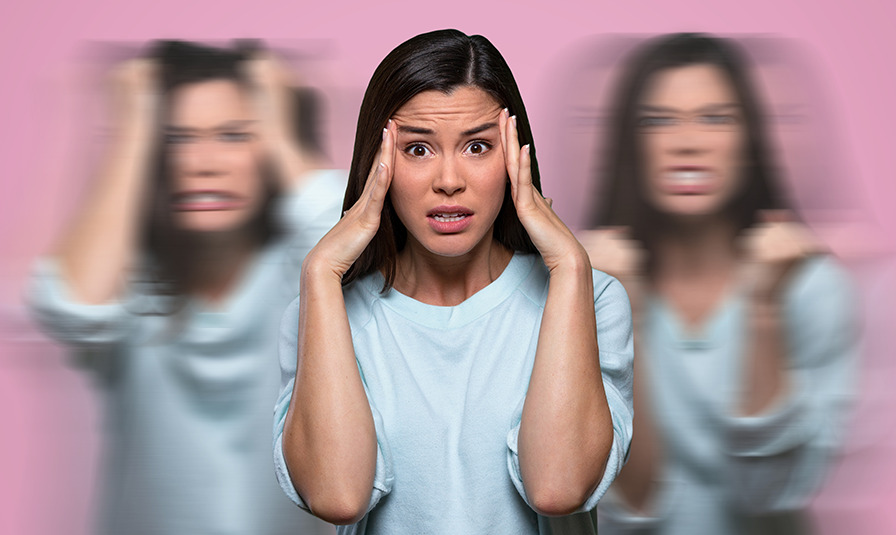
Hormones such as estrogen, testosterone, adrenaline, and insulin are extremely important chemical messengers that affect many aspects of overall health. Hormones are secreted by various glands and organs, including the thyroid, pituitary gland, ovaries, testes, and pancreas. The entire endocrine system works together to control the levels of hormones circulating in the body, and if one or more are even slightly imbalanced, it can cause health problems.
Signs and Symptoms of Hormonal Imbalances:
infertility and irregular menstrual periods
weight gain or loss
depression and anxiety
fatigue
insomnia
low libido
changes in appetite
digestive issues
hair loss
Conventional treatments for hormonal imbalances typically include pills, insulin injections, and other types of medications. These often only mask the patient’s symptoms without resolving them and can have side effects.
The good news is that there are ways to balance hormones naturally.
Step 1: Healthy Diet
Consuming a variety of foods rich in fatty acids is key to hormone control. The body needs different types of fats to create hormones, including saturated fats and cholesterol. Not only are these essential fats the building blocks of hormone production, but they also keep inflammatory levels low, stimulate metabolism, and promote weight loss. Healthy fats have the opposite effect of refined carbohydrates, which lead to inflammation and can disrupt hormonal balance.
The 3 preferred sources of healthy fats include: coconut oil, avocado, and wild salmon.
Here’s a basic rule: eliminate oils high in omega-6 fats (sunflower, corn, canola, soybean, and peanut) and try to incorporate natural omega-3 sources (wild fish, chia seeds, walnuts, and grass-fed animal products).
Step 2: Consume Adaptogenic Herbs
Adaptogenic plants are a unique class of plants that promote hormonal balance and protect the body from a wide variety of diseases, including those caused by excessive stress. In addition to boosting immune function and combating stress, research shows that various adaptogens—such as ginseng, basil, astragalus root, licorice root, mushrooms, and rhodiola—can:
improve thyroid function
reduce anxiety and depression
decrease brain cell degeneration
stabilize blood sugar and insulin levels
Step 3: Eliminate Emotional Imbalances
According to traditional Chinese medicine, emotions have a direct impact on health, contributing factors to hormonal imbalances. Feelings like fear affect the reproductive organs, kidneys, and adrenal glands, which influence cortisol levels. This can lead to serious conditions such as infertility. Emotions of frustration, impatience, and unforgiveness affect the liver. Worry and anxiety can cause issues with insulin levels, which can affect multiple hormones.
A major component of hormonal balance addresses any emotional imbalances you may be facing. You can do this by reducing stress levels, engaging in personal reflection, and allowing time for yourself. Practicing meditation or healing prayer can be extremely beneficial, as well as deep breathing exercises, spending time outdoors, and making this a daily practice.
Traditional Chinese medicines, such as acupuncture and massage, can also help improve hormonal balance, combat stress, and enhance blood flow.
Emotions and hormones are connected, so if you are stressed, upset, agitated, or even fearful, understand that this affects hormonal balance and can lead to even greater health issues. Continue to address your emotional balance by making it part of your daily routine.
Step 4: Use Essential Oils
To naturally balance your hormones, it is important to eliminate toxins by avoiding conventional body care products that contain potentially harmful chemicals (parabens, propylene glycol, sodium lauryl sulfate, etc.). A better alternative is to use natural products made with ingredients such as essential oils, coconut oil, shea butter, or castor oil.
Recommended essential oils for hormonal balance include sage, fennel, lavender, sandalwood, and thyme.
Step 5: Supplement to Fill Nutritional Gaps
Vitamin D acts almost like a hormone within the body and has important implications for maintaining low inflammatory levels. This is why people living in dark areas often suffer from seasonal depression and other health issues unless they supplement with vitamin D.
Step 6: Be Aware of Medications
Are you aware of the side effects of your medications? Some can disrupt hormonal balance, leading to side effects such as fatigue, changes in appetite, sleep disturbances, low libido, sadness, and even depression. Some medications that can affect your hormonal balance include corticosteroids, stimulants, statins, dopamine agonists, retinoids, and glucocorticoids. Be cautious of these medications, discuss with your doctor, and seek alternatives.
Step 7: Get More Sleep
If you are not sleeping 7-8 hours each night, it is not good. Lack of sleep or disruption of the circadian rhythm can be one of the most serious habits contributing to hormonal imbalance.




