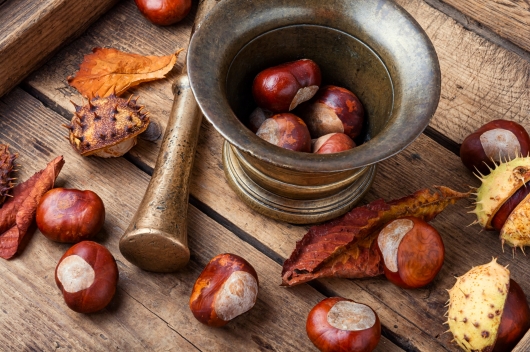
The horse chestnut (Aesculus hippocastanum) is a plant traditionally known for its therapeutic properties, having been used in folk medicine for centuries. Although often encountered as an ornamental tree in parks and gardens, this tree has a significant positive impact on health, especially when used in the form of extracts or preparations from its bark, leaves, or seeds. Its health benefits are impressive, and in this article, we will explore how horse chestnut can be used to support the circulatory system, reduce inflammation, and even improve skin health.
1. Support for Blood Circulation and Tired Legs:
One of the most important benefits of horse chestnut is its positive effect on blood circulation. Extracts from horse chestnut seeds are rich in triterpene saponins, particularly aescin, an active compound that helps tone blood vessels, reduce swelling, and improve blood flow. These properties are especially useful for individuals suffering from chronic venous insufficiency, varicose veins, or tired and swollen legs. A massage with a horse chestnut-based cream can alleviate feelings of heaviness and discomfort in the legs.
2. Fighting Inflammation and Pain:
Horse chestnut also has anti-inflammatory effects, which are helpful in cases of arthritis or other inflammatory conditions. Studies suggest that aescin, one of the main active compounds in horse chestnut, can reduce inflammation and pain associated with joint conditions. It can also be used in topical forms to relieve muscle pain or local inflammation, having a soothing effect on inflamed skin.
3. Beneficial Effects on Skin:
In addition to improving circulation, horse chestnut is also used for skin care due to its antioxidant and regenerative properties. Horse chestnut extracts can help reduce dark circles, under-eye puffiness, and improve the overall appearance of the skin, giving it a healthier and more radiant look. Additionally, due to its high flavonoid content, this ingredient can help protect the skin against the harmful effects of free radicals and prevent signs of premature aging.
4. Benefits for Cardiovascular Health:
Horse chestnut can play an important role in maintaining cardiovascular health. Studies show that aescin can help protect the walls of blood vessels, reducing the risk of clot formation and improving arterial elasticity. Additionally, extracts from horse chestnut are used to treat various circulatory conditions, such as hemorrhoids and varicose veins, providing a natural aid for better blood circulation.
5. Improving Liver Health:
Although less known, horse chestnut can also have beneficial effects on the liver. Research suggests that horse chestnut extracts can protect the liver from the toxic effects of certain substances and support the regeneration of liver cells. This makes the plant a valuable choice for detoxifying the body.
How to Use Horse Chestnut:
Horse Chestnut Tea: Can be prepared from the bark or leaves of horse chestnut, having beneficial effects on circulation and reducing inflammation.
Creams and Ointments: These are used to relieve joint or muscle pain, as well as to improve the appearance of the skin.
Dietary Supplements: Concentrated extracts of horse chestnut are available in capsule or tablet form and can be used for long-term treatments aimed at supporting circulation.
Conclusion:
Horse chestnut is more than just a decorative tree; it is a valuable source of health benefits. Whether you use it to improve circulation, combat inflammation, or support skin health, this natural remedy can be a helpful addition to your daily routine. However, it is important to note that before starting any treatment with horse chestnut, it is recommended to consult a specialist, especially in the case of serious conditions.




