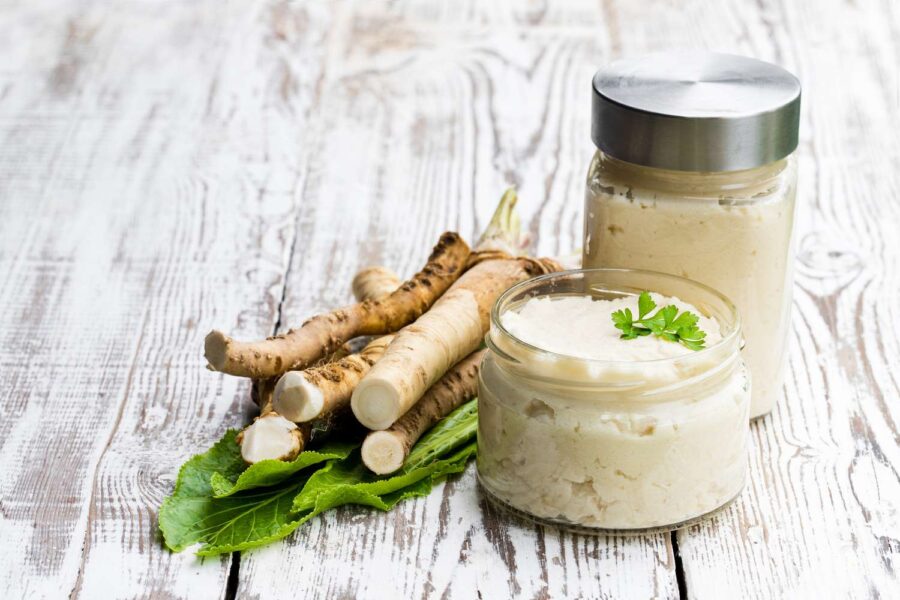
Horseradish is known for its strong flavor and health benefits. Used in cooking and traditional medicine, horseradish offers numerous advantages and can be integrated into the diet in various ways. Here is a complete guide on the benefits, uses, and storage methods of horseradish.
Benefits of Horseradish
1. Anti-inflammatory properties:
Horseradish contains bioactive compounds such as sinigrin and glucosinolates, which have anti-inflammatory effects. These compounds can reduce inflammation in the body and may be helpful for individuals suffering from chronic inflammatory conditions, such as arthritis. By reducing inflammation, horseradish can contribute to alleviating symptoms and improving overall well-being.
2. Digestive support:
Horseradish stimulates the secretion of digestive juices, which improves digestion and can reduce abdominal discomfort, bloating, and gas. The compounds in horseradish help metabolize food more efficiently and can support gastrointestinal health. Using horseradish in dishes can speed up the digestive process and help prevent digestive issues.
3. Antibacterial properties:
The essential oils in horseradish have strong antibacterial effects. This makes it useful in preventing and combating bacterial infections. Regular consumption of horseradish can help maintain a healthy bacterial flora and protect the body from infections.
4. Immune system support:
Horseradish is an excellent source of vitamin C, an antioxidant that supports the immune system. Vitamin C helps strengthen the immune system, protecting the body against infections and diseases. It also plays a role in tissue regeneration and collagen production, essential for skin and joint health.
5. Improved blood circulation:
Consuming horseradish can stimulate blood circulation due to its vasodilating effect. This can contribute to cardiovascular health, helping to prevent circulation problems and maintain healthy blood pressure.
6. Respiratory benefits:
Horseradish has decongestant effects and can help alleviate symptoms of colds and flu, such as nasal congestion and cough. The compounds in horseradish can help clear the respiratory tract and ease breathing.
Uses of Horseradish
1. In cooking:
Condiment for meat and fish:
Grated horseradish is a popular condiment for roasts, fish, and meats. Its spicy and intense flavor adds a distinctive taste to dishes.
Sauces and sides:
Horseradish can be used in preparing sauces, such as horseradish sauce for roasts or horseradish sauce with sour cream. It is often served alongside meat dishes and salads.
Salads:
It can be added to salads for an extra flavor boost and for its digestive benefits.
2. Traditional medicine:
Remedies for colds and flu:
Horseradish can be used to prepare infusions to alleviate cold symptoms.
Treatment for digestive issues:
It can be used in traditional medicine to treat digestive problems, such as indigestion and bloating.
How to Store Horseradish in a Jar
1. Cleaning:
Rinse the horseradish root well under cold water to remove dirt and impurities. Peel the skin with a knife or a brush.
2. Preparation:
Grate the horseradish root using a fine grater. It is recommended to do this in a well-ventilated area, as the smell can be intense.
3. Preservation:
Mix the grated horseradish with vinegar and a little sugar to prevent fermentation. The vinegar helps preserve and maintain freshness, while the sugar adds a touch of sweetness and balances the flavor.
Place the mixture in a sterilized jar, seal it well, and store it in the refrigerator. Horseradish preserved this way can be kept for several months.
In conclusion, horseradish is a valuable condiment with multiple health benefits and various uses in cooking. By storing it properly and integrating it into your diet, you can enjoy its strong flavor and therapeutic properties.




