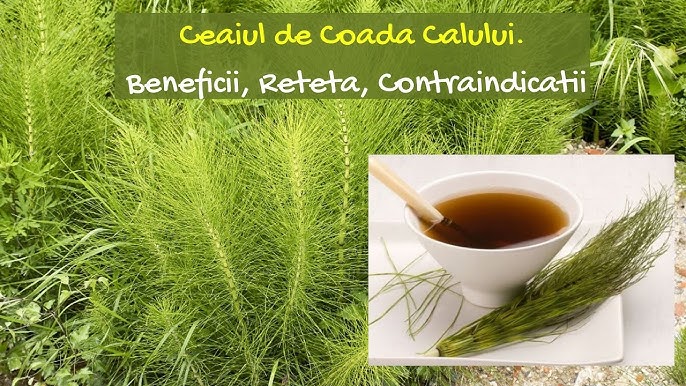
Horsetail (Equisetum arvense) is a perennial fern belonging to the Equisetaceae family. It grows in wild areas of northern Europe and North and Central America, as well as in other moist temperate climates. Horsetail has a long, green, densely branched stem that grows from spring to autumn.
Horsetail is a widely used medicinal plant known for its natural remedy properties in treating fluid retention, aiding weight loss, and strengthening bones. This plant has diuretic and anti-inflammatory properties, which is why it is used to help treat kidney stones and urinary infections.
The plant is most commonly consumed in the form of horsetail tea, which is made from its dried stem.
Although it has several health benefits, consuming horsetail tea can also cause side effects, especially if taken in large doses or for more than a week. For example, it can cause severe headaches or even pancreatitis in certain cases. Therefore, those who wish to drink horsetail tea should consult a doctor or a specialist experienced in medicinal plants beforehand.
Information about Horsetail
Horsetail is a renowned perennial fern that has been used as a natural remedy since the times of the Greek and Roman Empires. Experts claim that this plant has multiple medicinal properties, being used to treat wounds, improve the appearance and health of skin, hair, and bones, as well as a remedy for various other health issues. However, there is not enough evidence from human studies to support many of the traditional uses of horsetail tea.
Horsetail Tea: Benefits, Uses, and Therapeutic Actions
Horsetail has anti-inflammatory, antioxidant, antimicrobial, diuretic, healing, and remineralizing properties. Therefore, people can consume horsetail tea to gain many health benefits.
People consume horsetail tea for its ability to:
Treat Fluid Retention
Horsetail tea has diuretic effects due to its high content of flavonoids (such as quercetin and apigenin), phenols (organic compounds), and mineral salts. All of these help increase the production and elimination of fluids from the body through urine, thus treating fluid retention.
Horsetail Tea: Benefits in Weight Loss
Many specialists recommend horsetail tea for its contribution to weight loss. This plant supports weight loss due to its composition of antioxidant, anti-inflammatory, detoxifying, and diuretic substances, such as flavonoids and caffeic acid. These substances help burn localized fat and assist in eliminating fluids that can cause weight gain.
In addition, the caffeic acid found in horsetail has a thermogenic effect that helps stimulate metabolism and fat burning, ultimately leading to weight loss.
Horsetail Tea: Remedy for High Blood Pressure
This plant contributes to lowering blood pressure due to its diuretic properties, which promote the elimination of accumulated fluids from the body. This results in a reduction of fluid levels in the blood vessels, which consequently reduces the effort the heart must exert to pump blood, automatically lowering blood pressure.
Horsetail Tea: Benefits for Bones
Horsetail is a plant with a significant content of minerals such as calcium, phosphorus, and magnesium, which are essential for strengthening and maintaining bone health.
Moreover, results from laboratory studies have shown that horsetail tea can prevent bone weakening. Furthermore, it appears to stimulate the growth and regeneration of bones. Therefore, individuals with bone issues can drink horsetail tea to prevent the onset of serious conditions such as osteoporosis, osteopenia, and rickets.
Horsetail is the plant with the highest concentration of silica. According to research, due to its high silica content, horsetail can improve the formation, density, and consistency of bones and cartilage, as well as increase collagen synthesis and improve calcium absorption in bones.
Horsetail Tea: Treatment for Urinary Infections
As mentioned earlier, this plant has diuretic properties, making it extremely useful in treating urinary infections and other kidney or urinary issues, such as cystitis or nephritis. Essentially, this tea stimulates urine elimination, which also facilitates the removal of bacteria causing these conditions in the urinary tract.
Horsetail Tea: Effective Against Bacteria
There is also research showing that this plant contains essential oils such as thymol and cineole, which have the ability to eliminate fungi (especially Candida sp.) and bacteria such as:
Escherichia coli, a bacterium that causes urinary infections
Staphylococcus aureus, which causes infections in the lungs, skin, and bones
Horsetail Tea: Beneficial Effects on Skin and Nails
Additionally, the silica found in horsetail can reduce brittleness and the appearance of ridges on the surface of nails. Moreover, it hydrates and strengthens nails, which helps improve their overall appearance.
Horsetail also has astringent, anti-inflammatory, and antioxidant properties, which contribute to improving skin appearance. This plant combats free radicals that cause cellular damage and, consequently, premature skin aging. Additionally, it helps reduce oil levels in the skin, preventing the occurrence of acne.
How to Prepare Horsetail Tea
Horsetail tea is the primary way to consume this plant. To make horsetail tea, you need the dried stem of this plant.
Ingredients
1 tablespoon of dried horsetail stem
1 cup of boiling water
Horsetail Tea Preparation Method
Place the dried stem in boiling water and let it steep for 5-10 minutes. Then strain the infusion and consume a maximum of 2 cups per day, ideally after the first meals of the day. To prevent dehydration and the loss of essential minerals from the body, do not drink horsetail tea for more than seven consecutive days.
Horsetail Tea: Contraindications
Experts recommend that pregnant or breastfeeding women should not consume horsetail tea. The same recommendation applies to individuals with a history of heart failure, low blood pressure, and kidney diseases. Horsetail tea can reduce the body’s ability to lower blood pressure and has a strong diuretic effect.
Horsetail Tea: A Powerful Natural Remedy
24




