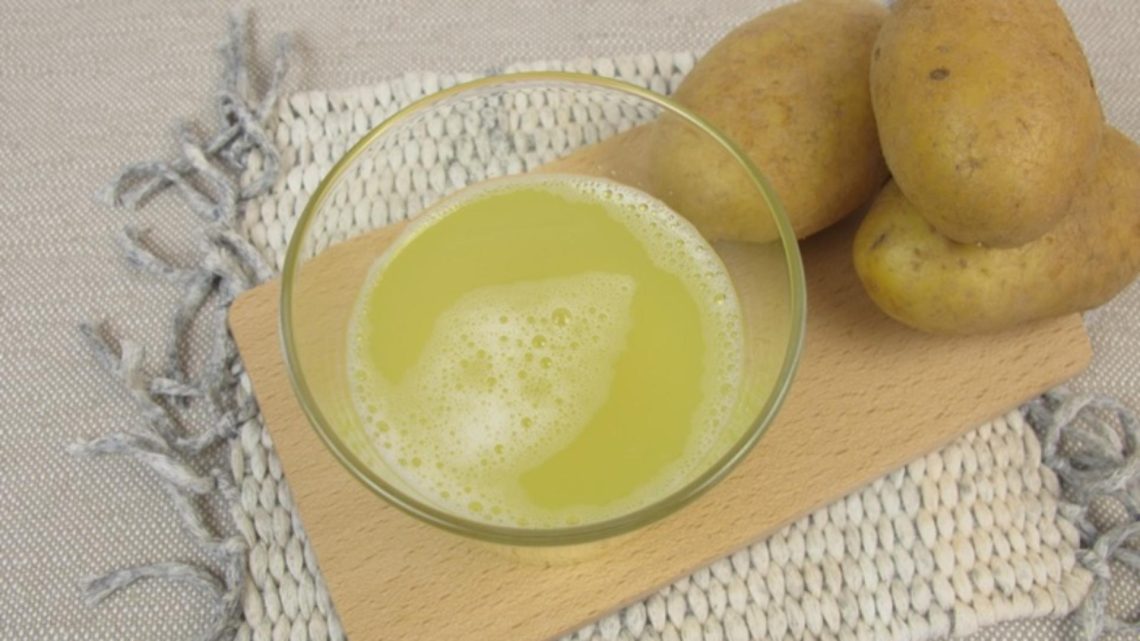
Potatoes are a favorite food for many of us, but potato juice can also be an excellent option for consumption, especially if you want your diet to be as healthy as possible.
Although potato juice may not sound as delicious as the cooked alternative of this popular ingredient, it is rich in essential vitamins and nutrients. Moreover, potato juice contains about half of the nutrients found in a serving of cooked potatoes.
Benefits of Potato Juice
Potatoes, in themselves, contain alkaline substances that can reduce gastroesophageal reflux and alleviate various stomach ailments. Potato juice has the same properties and can serve as a natural alternative to tonic beverages available in stores. Discover below the most important health benefits that potato juice offers.
1. Contains a lot of Vitamin C
Surprisingly, potatoes contain over 100% of the daily recommended dose of Vitamin C. This essential vitamin helps in iron absorption and collagen formation in blood vessels, muscles, cartilage, and bones. It also has antioxidant properties and can improve the appearance and health of the skin by reducing inflammation and skin irritation and by lightening hyperpigmented spots. At the same time, Vitamin C is the nutrient that helps fight colds and infections, enhancing the immune system.
2. Contains B Vitamin Complex
A single glass of potato juice contains almost 40% of the daily recommended dose of thiamine (Vitamin B1) and niacin (Vitamin B3). Additionally, potato juice is rich in riboflavin, which is Vitamin B2, and Vitamin B6. The B Vitamin complex is vital for the body, supporting the process of converting carbohydrates into glucose, thus generating energy. B Vitamins are also responsible for the proper functioning of the nervous system and the brain, supporting the health of hair and skin and contributing to the optimal functioning of the liver, while also promoting good blood circulation.
3. Rich in Potassium
Potatoes contain high amounts of potassium, three times more than a medium-sized orange. This translates to 1,467 milligrams of potassium per potato, or 31% of the daily recommended dose. Potassium acts as an electrolyte in the body, helping to regulate fluid levels and supporting muscle functions. Additionally, electrolytes are allies of the kidneys, helping them filter blood.
4. Contains Iron
Iron is very important for maintaining the body’s vitality and reducing feelings of fatigue. Moreover, iron ensures the health of red blood cells and promotes oxygen flow throughout the body via blood vessels. A single glass of potato juice per day can provide nearly 14% of the iron requirement.
5. Contains Calcium
Without calcium, blood would not be able to clot, which would lead to the weakening of teeth and bones. A glass of potato juice per day represents the equivalent of almost 5% of the daily recommended dose of calcium.
6. Rich in Zinc
In addition to maintaining the health of the immune system, zinc helps accelerate the healing of wounds. A glass of potato juice contains about 1 milligram of zinc, which means almost 9% of the daily recommended dose for men and 11% for women.
7. Rich in Vitamin K
Vitamin K is a fat-soluble vitamin essential for blood health and for preventing a decrease in bone density. It also helps transport calcium throughout the body. Raw potatoes contain about 5% of the daily recommended dose of Vitamin K.
8. Contains Antioxidants
Antioxidants play an important role in preventing many ailments by controlling inflammation levels in the body and preventing premature aging. Raw potatoes are rich in various types of antioxidants, which are especially found in their skin and belong to the carotenoid family. Among these are lutein, zeaxanthin, and violaxanthin. The amount of antioxidants found in potatoes is almost equal to that in spinach and Brussels sprouts. Notably, the white potato variety is the richest in antioxidants.
How to Drink Potato Juice?
Potato juice can be consumed both in the morning on an empty stomach and during the day. If you suffer from gastrointestinal issues, it is recommended to consult your doctor before consuming potato juice. A glass of juice (equivalent to 250 ml) per day is sufficient to obtain the necessary nutrients from the preparation.
How to Prepare Potato Juice?
Potatoes contain about 80% water, so you will obtain a good amount of juice from just one large potato or two medium-sized potatoes. First, you will need to wash the potatoes thoroughly with warm water. Then, choose any variety of potatoes you prefer; all types are rich in nutrients and beneficial for health. After washing them well, using a sponge or a brush, gently remove any traces of dirt or dust from them. Brushing also helps eliminate pesticide residues from the potatoes. However, be careful not to peel the skin, as it is very important because it contains the highest amount of antioxidants.
When choosing potatoes for juice preparation, avoid those that have a greenish hue, sprouts, or dark spots. After washing them well, cut each potato into slices, just like when preparing fried potatoes. Then opt for a juicer, which will remove the pulp, or a blender to obtain a smoothie-like juice. Whichever you choose, the nutrient content will be equally rich.
To simplify the process, instead of slicing the potatoes, you can grate them. This way, you will obtain the juice faster without overloading the juicer or blender. Potato juice is best served fresh, immediately after preparation. If not consumed right away, a good portion of the nutrients, especially vitamins and antioxidants, will be lost.
If you do not like the taste of raw potatoes, you can add other vegetables to the mix, such as carrots, broccoli, cucumbers, or fruits like apples, pears, mangoes, grapes, cherries, or blueberries. Potato juice can also be enriched with other superfoods, such as chia, kale, spinach, and seeds like flaxseed.
Another trick to make potato juice more palatable is to add either a tablespoon of honey to the mix or the juice of half a lemon or lime. A few fresh basil leaves can also add more flavor to the juice, making it taste more like lemonade.