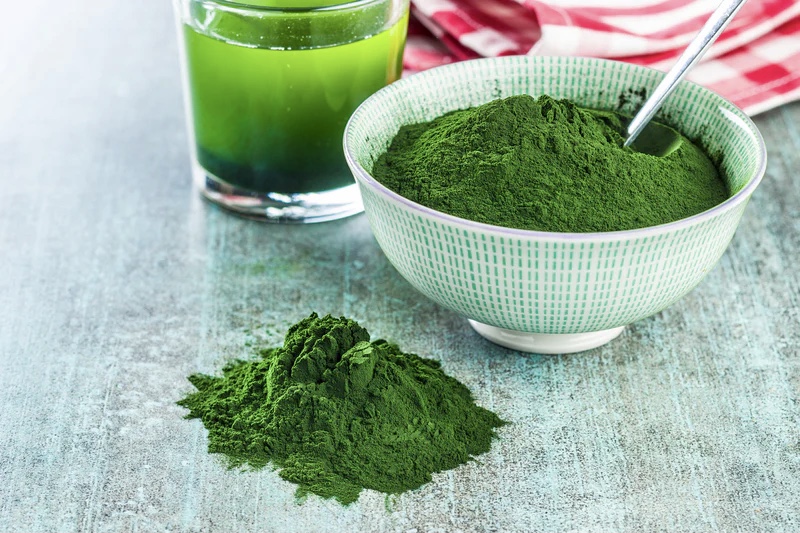
Spirulina is a dietary supplement derived from algae and is known for its rich nutrient content. Below are the main nutrients found in spirulina:
Proteins:
Spirulina is an excellent source of protein and contains all the essential amino acids required by the human body.
Vitamins:
Spirulina is a rich source of vitamins, including vitamin A (in the form of beta-carotene), vitamin B1 (thiamine), vitamin B2 (riboflavin), vitamin B3 (niacin), vitamin B6, vitamin B9 (folic acid), and vitamin B12.
Minerals:
Spirulina contains a wide range of minerals, including iron, calcium, magnesium, potassium, copper, and zinc. These minerals are essential for the normal functioning of the human body.
Omega-3 fatty acids:
Spirulina contains essential fatty acids, such as gamma-linolenic acid and alpha-linolenic acid, which are beneficial for cardiovascular health and the nervous system.
Antioxidants:
Spirulina contains powerful antioxidants, such as phycocyanin and vitamin E, which help protect cells against oxidative stress and damage caused by free radicals.
It is important to note that the exact nutrient levels can vary depending on the source and production process of spirulina. Additionally, it is always recommended to consult a health specialist before starting any dietary supplements.
Spirulina is recognized for the numerous health benefits it can provide:
1. Source of nutrients:
Spirulina is rich in proteins, vitamins (A, B1, B2, B3, B6, B9, B12, E), minerals (iron, calcium, magnesium, potassium, copper, zinc), and omega-3 fatty acids. Consuming spirulina can help ensure adequate intake of essential nutrients.
2. Antioxidant properties:
Spirulina contains powerful antioxidants, such as phycocyanin and vitamin E, which help combat oxidative stress and protect cells from damage caused by free radicals. Thus, spirulina may contribute to reducing the risk of chronic diseases and improving overall health.
3. Supports the immune system:
Due to its rich nutrient content and antioxidant properties, spirulina can support the immune system, helping the body fight infections and diseases.
4. Supports cardiovascular health:
Regular consumption of spirulina may contribute to maintaining cardiovascular health. It can help reduce cholesterol and triglyceride levels in the blood, keeping blood pressure within normal limits and improving blood vessel health.
5. Anti-inflammatory effect:
Spirulina may have an anti-inflammatory effect in the body, due to its antioxidant content and bioactive compounds. This effect can be beneficial in reducing chronic inflammation and the risk of conditions associated with inflammation.
6. Supports detoxification:
Spirulina may have a detoxifying effect on the body, helping to eliminate heavy metals and other toxins.
7. Supports brain health:
Some studies suggest that spirulina may have benefits for brain health and cognitive functions, such as improving memory and concentration due to its high nutrient and healthy fatty acid content.
8. Weight control:
Spirulina can be used as part of a balanced diet for weight control. Due to its high protein and fiber content, spirulina can help maintain a feeling of fullness, reducing food cravings and contributing to weight management.
9. Supports eye health:
Due to its beta-carotene content (a form of vitamin A), spirulina can contribute to maintaining eye health. Beta-carotene is an important antioxidant for retinal health and can help protect the eyes from the harmful effects of free radicals.
10. Supports digestive health:
Spirulina contains fiber and compounds with potential prebiotic properties, which can support digestive health and promote healthy digestion.
11. Supports joint health:
Some studies suggest that spirulina may have anti-inflammatory and antioxidant effects, which can be beneficial for joint health and may help reduce inflammation and pain associated with joint conditions.
12. Supports athletic performance:
Due to its protein, vitamin, and mineral content, spirulina can be used as a dietary supplement to support athletic performance and muscle recovery. Regular consumption of spirulina may contribute to physical endurance, energy, and faster muscle recovery.
How to consume spirulina?
Spirulina can be consumed in various forms, including powder, tablets, or capsules. Here are some common ways to consume spirulina:
Spirulina powder:
Spirulina powder can be added to various drinks and foods. You can mix a spoonful of spirulina powder into a glass of water, fruit juice, smoothie, or yogurt. You can also sprinkle spirulina powder over salads, pasta, rice, or other dishes.
Tablets and capsules:
Spirulina is also available in tablet and capsule form. These are easy to take and can be swallowed with water. Follow the instructions on the packaging regarding the recommended dosage.
Added to recipes:
Spirulina can be added to various culinary recipes to enhance their nutritional value. You can add a small amount of spirulina powder to batters, sauces, soups, or baked goods to benefit from its nutritional properties.
It is important to note that the benefits of spirulina may vary from person to person, and results may also depend on the quality and dosage of the supplement consumed. Before starting to take spirulina or any other dietary supplement, it is recommended to consult a health specialist for personalized advice.




