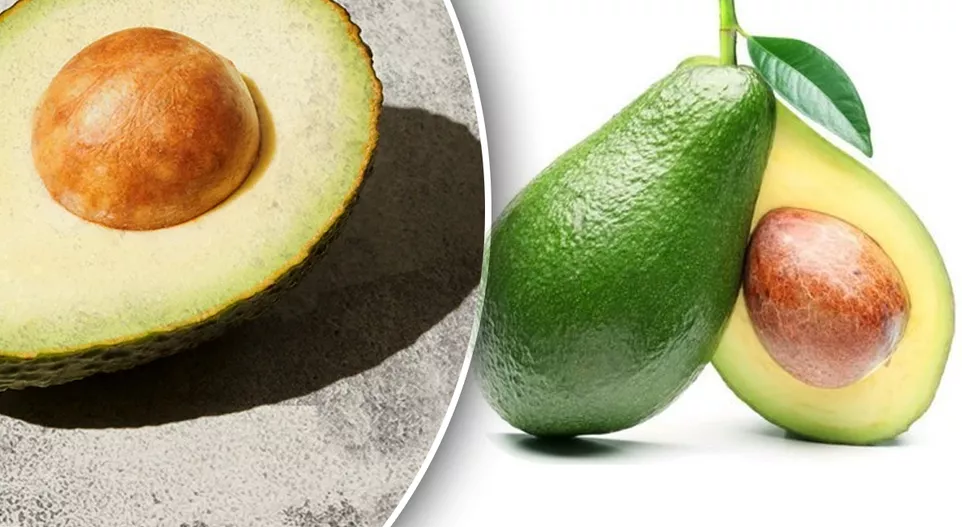
With its unique nutritional profile rich in polyphenols and healthy fats, the avocado fruit is delicate when it comes to the optimal time for consumption. Not too early, as the taste and texture are not pleasant, and not too late, as it may start to spoil without us realizing it, with its skin acting like a shell.
Unlike other fruits, avocados are always harvested when they are unripe and reach maturity after being picked, as explained by Dario Bressanini, an Italian food chemist.
It Takes a Little Time for Avocado to Be Best for Consumption
There is a specific point at which they are ripe, which doesn’t last long, he says. This is why it’s better to buy greener avocados and wait for them to ripen, as those that seem ripe are very likely to be overripe.
However, be cautious with the green ones after purchasing, he warns: it can happen that an avocado may not be ripe the day before, only to surpass the optimal point and become overripe within just a few minutes.
Unlike other fruits, once it reaches biological maturity, an avocado can remain on the branch for months. It is a climacteric fruit, ripening after being harvested. Only after it is picked do the enzymatic mechanisms that lead to the complete ripening of the fruit kick in, with the flesh becoming softer and, in the case of the Hass variety, the skin turning darker. An avocado is good for consumption when it is slightly soft when pressed with a finger, explains Bressanini.
Fruits that ripen after being harvested are defined as climacteric fruits, alongside avocados, including bananas, kiwis, peaches, pears, and tomatoes.
Below are some methods to help the avocado fruit reach maturity through a controlled process.
Positioned in Light
This is the most natural and simplest ripening process to put into practice. We don’t need to do anything except place the fruit in a dry, bright spot where it is exposed to direct light. This continues until it starts to change color and feels slightly soft when pressed, without waiting for it to become very soft.
In a Paper Bag
A closed paper bag helps to retain as much ethylene, a compound produced by the fruit that contributes to ripening, as possible inside. More ethylene means it reaches maturity faster. However, plastic bags are highly discouraged, as they prevent the fruit from breathing and retain too much moisture.
Together with Apples, Bananas, Tomatoes
Grouping several climacteric fruits together only increases the exposure to ethylene produced by all of them. This accelerates the ripening process. Among all, bananas and apples release the most ethylene, but pairing them with tomatoes is also a good solution.
If we have several avocados and want them to ripen at the same time, we can place them all together. If we want them to ripen one at a time, we separate them and follow the above rules for accelerating ripening only for the short term.
Placed in a Bowl with Rice at the Bottom
Rice grains, or even rice flour, have the ability to absorb the ethylene emitted and thus help the avocado fruit to ripen faster.
The rice and rice flour can then be consumed, as they do not change and have no contraindications from being next to the avocado fruit.
In the Oven
In case someone wants to consume the fruit but it is not ripe enough yet, a recommended solution is to place it in the oven. Wrapped in aluminum foil or baking paper, it can be placed in the oven at about 90 degrees for about ten minutes, as recommended by the cited chemist. Or less, if it is already soft.
What Solutions Exist If I Cut It but It’s Not Ripe Enough
If I cut a fruit thinking it was ripe enough but it isn’t, there are solutions. On the exposed surface where it was cut, we can pour lemon juice to prevent it from turning brown, as the avocado fruit oxidizes very easily. Then we press the two halves back together and wrap them in plastic wrap, placing them in the refrigerator.
However, it should be consumed as soon as possible, in principle, because where it was cut tends to turn brown anyway and lose its nutritional qualities as the enzymes oxidize the polyphenols and break them down, explains Bressanini.




