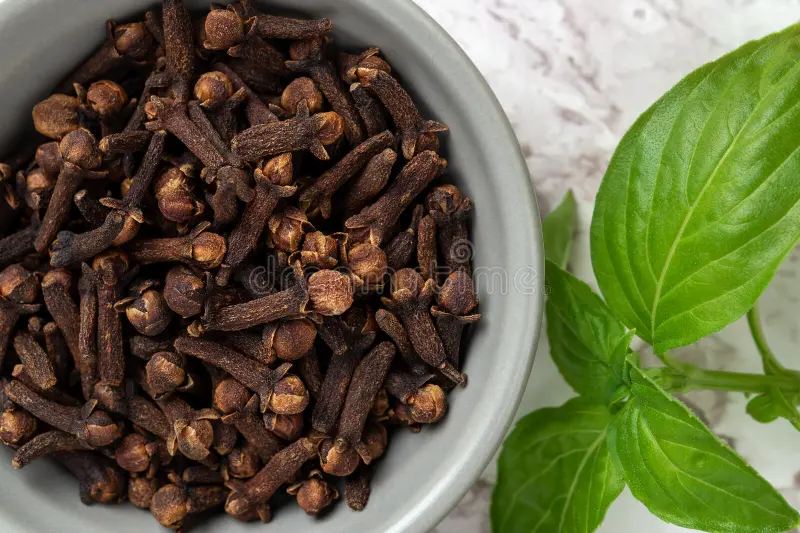
A traditional and aromatic remedy, medicinal wine with basil and cloves is recognized in phytotherapy for its tonic, digestive, and antimicrobial effects. The simple recipe is often used to support immunity, improve digestion, and calm mild anxiety.
Natural Ingredients and Active Properties
Basil (Ocimum basilicum)
- Active components: essential oils (eugenol, linalool), flavonoids, tannins, vitamins A and C.
- Effects: antiseptic, digestive, antispasmodic, adaptogenic.
Cloves (Syzygium aromaticum)
- Active components: eugenol (70-85%), tannins, flavonoids, phenolic acids.
- Effects: antibacterial, antiviral, digestive calming, stimulant.
Natural red wine (preferably organic)
- Rich in resveratrol and polyphenols, substances with antioxidant and cardiovascular protective effects.
What Studies Say
- Basil has antimicrobial effects confirmed by studies published in Journal of Ethnopharmacology, showing that basil extract inhibits bacteria such as E. coli and Staphylococcus aureus.
- Cloves, according to research published in Phytotherapy Research (2017), exhibit intense antibacterial and antifungal activity due to their high eugenol content.
- Red wine, through resveratrol, has been studied for its ability to reduce oxidative stress and improve circulatory function.
Recipe for Medicinal Wine with Basil and Cloves
Ingredients:
- 1 liter of quality dry red wine
- 1 handful of basil leaves (fresh or dried – 15 g)
- 1 tablespoon of whole cloves (approximately 4-5 g)
- Optional: 1 tablespoon of raw honey
Preparation Method:
- Pour the wine into a stainless steel or glass container.
- Add the basil leaves and cloves.
- Gently heat (without boiling!) for 10-15 minutes, then let it infuse covered until it cools.
- Strain and pour into a dark-colored bottle. Store in the refrigerator for up to 10 days.
Dosage
- Consume 25-50 ml/day, as needed, for 7-10 days.
- The treatment can be repeated 2-3 times a year during seasonal transitions.
Contraindications
- Not recommended for children, pregnant women, or individuals with severe liver conditions.
- Avoid in case of anticoagulant treatments (due to cloves).
- Consult a doctor in case of chronic conditions.
Benefits
1. Supports the immune system
Eugenol from basil and cloves has antiviral and antibacterial action, supporting immunity in the fight against respiratory and digestive infections. Red wine contributes with resveratrol, an antioxidant studied for its ability to reduce inflammation and stimulate T-helper immune cells.
2. Stimulates digestion and reduces bloating
Basil stimulates the secretion of gastric and bile juices, while cloves have a carminative effect (eliminating intestinal gas) and are antispasmodic. The combination is effective in sluggish digestion, heaviness, and discomfort after heavy meals.
3. Calms the nervous system and reduces stress
Basil contains linalool, a compound with proven anxiolytic effects, and small amounts of red wine can induce relaxation. It is useful in states of agitation, mild insomnia, or mental fatigue.
4. Supports heart health
Resveratrol and anthocyanins from red wine contribute to lowering blood pressure, protecting vascular endothelium, and reducing oxidation of LDL cholesterol—all having a cardioprotective effect.
5. General anti-inflammatory effect
All three ingredients have anti-inflammatory activity: eugenol reduces the production of inflammatory cytokines, while resveratrol combats oxidative stress—the main cause of chronic inflammation.
6. General energizing and tonic effect
Due to improved circulation and moderate stimulation of metabolism, this beverage provides increased tone during periods of convalescence or physical exhaustion.
7. Improves breath and disinfects the mouth
Cloves are powerful antibacterials and act in the oral cavity, reducing bad breath, gum inflammation, and pathogenic bacterial flora.




