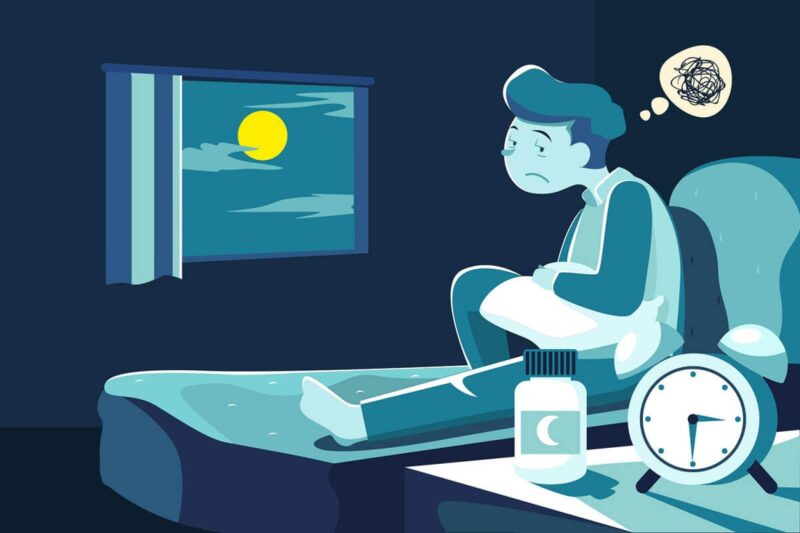
Restful sleep is one of the most important conditions for physical and mental health. When lack of sleep becomes a constant issue, the body experiences a profound imbalance, and the quality of life decreases. Fortunately, nature offers us remedies, and preparing a custom herbal blend for sleep can be an excellent solution. By carefully combining certain calming, sedative, and anxiolytic herbs, one can create an infusion that induces natural sleep without side effects.
Recommended Blend for Restful Sleep:
1 tablespoon of lavender flowers
1 tablespoon of lemon balm leaves
1 tablespoon of hops cones
1 tablespoon of linden flowers
1 tablespoon of valerian root
Mix all the herbs in a glass jar. From this mixture, use one tablespoon for 250 ml of boiling water, let it steep for 10-15 minutes, then strain. Drink a cup 30 minutes before bedtime.
Benefits of Each Herb
1. Lavender relaxes the nervous system and reduces mental tension
Lavender has a documented effect of reducing psychological tension, making it extremely useful during stressful periods. The volatile oils from lavender flowers act on the limbic system of the brain, helping to reduce nervous excitability. Studies have shown that inhaling or consuming lavender can significantly reduce anxiety and irritability. Additionally, compounds in lavender help slow down the heart rate, which promotes the onset of deep sleep. It is ideal for those who have difficulty falling asleep due to persistent thoughts.
2. Lemon Balm combats inner agitation and induces a state of calm
Lemon balm (Melissa officinalis) is one of the most appreciated herbs for relaxation due to its anxiolytic effect. It contains rosmarinic acid and other compounds that regulate neurotransmitters involved in sleep, such as GABA. Regular consumption of lemon balm helps calm the nervous system and reduces the risk of nighttime awakenings. According to a study published in the Mediterranean Journal of Nutrition, lemon balm improved sleep quality in patients with mild to moderate insomnia. It is especially effective for those suffering from insomnia caused by stress or anxiety.
3. Hops are a natural sedative that regulates sleep cycles
Hops cones (Humulus lupulus) are rich in substances with sedative effects, such as humulone and lupulone. These substances directly influence the activity of the central nervous system, inducing drowsiness. Hops are especially recommended in cases where sleep is shallow and fragmented. Clinical studies have confirmed that hops contribute to shortening the time it takes to fall asleep and prolonging the deep sleep phase. Its effectiveness increases when combined with valerian, forming a classic duo in herbal medicine for insomnia.
4. Linden calms the heart and alleviates agitation
Linden flowers have a calming effect on both the mind and body, being useful in cases of palpitations, nervousness, or psychological tension. Linden tea helps reduce nervous excitability and promotes muscle relaxation. The volatile compounds in linden have a mild sedative action, which favors the onset of sleep. Additionally, it is one of the gentlest herbs, making it suitable even for sensitive individuals. It is ideal in blends intended for evening relaxation, especially when headaches or emotional discomfort arise.
5. Valerian promotes deep sleep and reduces the time it takes to fall asleep
Valerian (Valeriana officinalis) is one of the most potent sedative herbs in herbal medicine. It acts on GABA receptors in the brain, promoting deep relaxation and inducing sleep. It is especially effective in cases where there is a significant delay in falling asleep or restless sleep. According to studies published in the American Journal of Medicine, valerian significantly reduced the time needed to fall asleep and improved sleep quality in patients with chronic insomnia. Its effects are progressive, becoming more pronounced after 2-3 weeks of administration.
Contraindications
- Not recommended for pregnant or breastfeeding women without medical advice.
- Individuals with neurological conditions (epilepsy, major depression) should consult a doctor before use.
- Should not be combined with synthetic sedatives or antidepressants.
- Not recommended for consumption before driving or activities that require alertness.
- Avoid prolonged use without breaks (no more than 3 weeks continuously).




