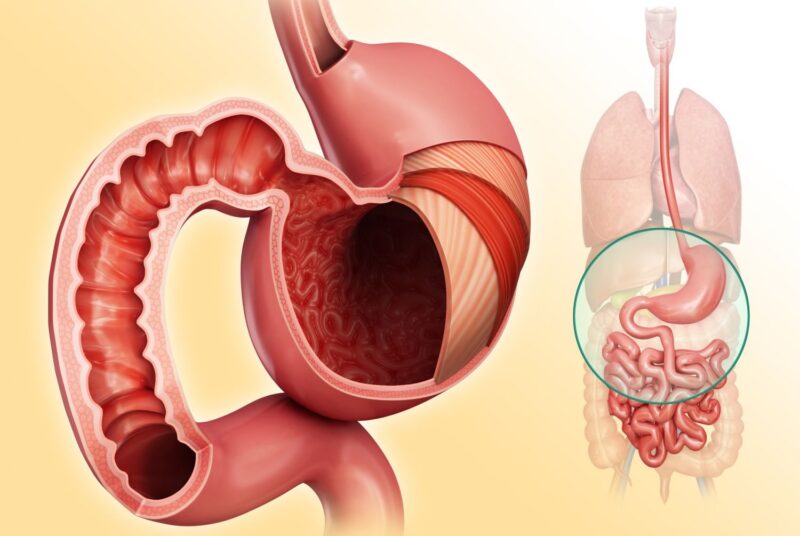
Herbal cures for digestion are among the most commonly used natural methods for alleviating gastrointestinal issues: bloating, slow digestion, acidity, or discomfort after meals. However, an incorrectly conducted cure can lead to adverse effects such as diarrhea, abdominal cramps, dehydration, or even gastric irritation.
Recommended Plants for Digestion
Some of the most effective plants with proven effects on digestion include:
- St. John’s Wort (Hypericum perforatum)
- Peppermint (Mentha piperita)
- Chamomile (Matricaria chamomilla)
- Thyme (Thymus serpyllum)
- Artichoke (Cynara scolymus)
- Dandelion (Taraxacum officinale)
- Fennel (Foeniculum vulgare)
- Calamus Root (Acorus calamus)
How to Properly Conduct a Digestive Cure
1. Choose the Right Plants for Your Issue
- If you have bloating and gas, combine fennel + peppermint.
- If you suffer from slow digestion, use artichoke + dandelion.
- If you have gastric burns, use chamomile + St. John’s Wort (be cautious of drug interactions!).
- For a lazy liver, use chicory + celandine (under medical supervision).
2. Duration of a Proper Cure
A cure should last no more than 3-4 weeks, followed by a break of 10-14 days. During this period, the plants can be consumed daily in the form of tea (1 tablespoon per 250 ml of water) or tincture (15-30 drops three times a day in a little water).
3. Correct Use of Plants
- Prepare the infusion or decoction correctly, depending on the type of plant (aerial parts for infusion; roots for decoction).
- Do not mix more than 3-4 plants in a single blend.
- Avoid sweetening with sugar; use honey if there are no contraindications.
Benefits of Digestive Cures
1. Regulation of Intestinal Transit
Peppermint, thyme, and fennel help relax the intestinal muscles, reducing spasms and accelerating gas elimination. At the same time, they stimulate the production of bile and digestive enzymes, supporting complete digestion.
2. Combating Bloating and Fermentation
Fennel and anise inhibit intestinal fermentation, reducing bloating, belching, and the feeling of a full stomach. These plants act as carminative agents, meaning they reduce gas formation.
3. Protecting the Gastric Mucosa
Chamomile and marshmallow form a protective layer over the stomach mucosa, reducing irritation and the risk of gastritis. Chamomile also has a confirmed gastric anti-inflammatory effect through clinical studies.
4. Stimulating Bile and Pancreatic Secretion
Artichoke, chicory, and dandelion increase bile secretion and contribute to the proper metabolism of fats. This effect is especially important after heavy meals or in cases of biliary dyskinesia.
5. Gentle Detoxification of the Liver
Bitter plants, such as celandine and dandelion root, stimulate liver function and the elimination of digestive toxins, supporting the cleansing of the blood and the intestinal tract.
Studies and Research
Study on the Effects of Artichoke on Functional Dyspepsia
A study published in Phytomedicine showed that the extract of artichoke leaves administered for 6 weeks to patients with dyspepsia significantly reduced symptoms of bloating, nausea, and epigastric pain. Researchers observed an improvement of 40-50% compared to the placebo group.
Peppermint: Proven Efficacy in Irritable Bowel Syndrome
According to a meta-analysis published in BMJ (British Medical Journal), peppermint oil reduced symptoms of irritable bowel syndrome in over 50% of patients. The main mechanism involves relaxing the intestinal muscles and reducing painful contractions.
Chamomile and Its Gastroprotective Effect
A German study published in Zeitschrift für Phytotherapie demonstrated that chamomile extracts reduce gastric acidity and stimulate the regeneration of the stomach mucosa, playing an important role in preventing gastritis and ulcers.
Important Contraindications
- Celandine should only be used under supervision, in short cures, due to its potential hepatotoxicity in high doses.
- St. John’s Wort interacts with many medications (antidepressants, anticoagulants, contraceptives).
- Peppermint is not recommended in severe gastroesophageal reflux, as it may relax the esophageal sphincter.
- Avoid long cures (over 4 weeks) without breaks, as this can lead to enzymatic imbalances and irritation of the mucosa.
- Individuals with severe liver conditions, biliary lithiasis, or acute gastritis should consult a doctor before starting a cure.
A plant cure for digestion can be extremely beneficial if well-chosen, correctly dosed, and followed by breaks. Not all plants are suitable for everyone, and incorrect combinations or excessively long durations can lead to adverse effects. Consult a herbalist or a specialist in complementary therapies before starting a complex cure.
Sources:
- phytomedicinejournal.com Artichoke leaf extract reduces symptoms in patients with functional dyspepsia
- bmj.com Peppermint oil for irritable bowel syndrome: a systematic review and meta-analysis
- heilpflanzen-welt.de Chamomile protects the gastric mucosa
- healthline.com Herbal remedies for digestive issues: what science says
- pubmed.ncbi.nlm.nih.gov Herbal medicine in gastrointestinal and liver disease: pharmacology and evidence




