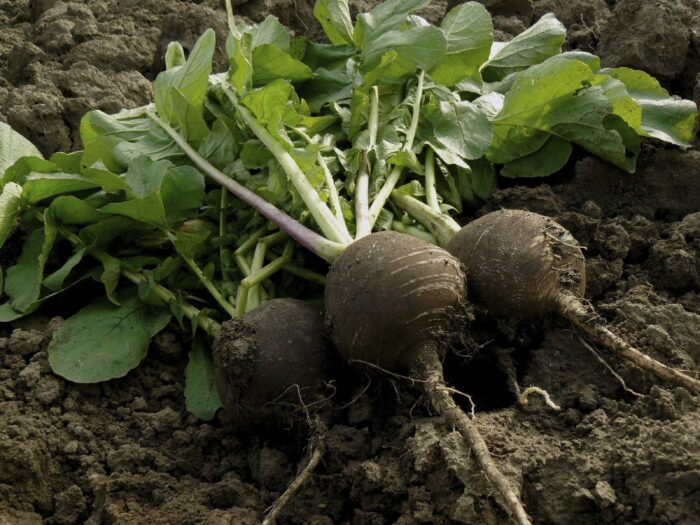
The black radish, often overlooked in cooking, is a vegetable with remarkable therapeutic potential. Rich in active compounds such as glucosinolates, sulforaphane, and vitamin C, this root has been used for centuries for liver health, respiratory issues, and gallbladder function. However, to benefit from its properties, the juice must be prepared correctly, and in certain cases, consumption can become dangerous.
How to Properly Prepare Black Radish Juice
1. Choosing the Radish:
Only fresh, firm black radishes without spots or cracks should be used. Organic ones are preferred, as their skin is often used in remedies.
2. Washing and Cleaning:
Wash thoroughly under cold running water, then peel the skin only if it does not come from a reliable source. If it is organic, the skin can be kept for an extra boost of active substances.
3. Preparing the Juice:
The radish can be processed using a juicer or a blender. If using a blender, add a little water, then strain the juice through cheesecloth or a fine sieve. It can be combined with a spoonful of honey, but it is recommended that the first dose be plain to test the body’s reaction.
4. Recommended Dosage:
Start with 1 tablespoon of juice in the morning on an empty stomach. If no adverse reactions occur, the dosage can be gradually increased to 30 ml 2-3 times a day for a maximum of 10 days.
5. Storage:
Black radish juice oxidizes quickly. It is recommended to consume it immediately after preparation. If storage is necessary, keep it in an airtight dark bottle in the refrigerator, but not for more than 24 hours.
Who Should Avoid Consuming Black Radish Juice
1. People with active gastric or duodenal ulcers
The radish stimulates gastric secretion, which can worsen burning sensations, pain, or inflammation in individuals with active digestive conditions. Consumption can lead to severe discomfort and even complications.
2. Those with gallbladder stones
Black radish juice has choleretic and cholagogue effects (stimulating bile secretion and elimination), which can lead to the sudden movement of gallstones. Without medical consultation, this effect can cause intense biliary colic and the need for emergency intervention.
3. Pregnant or breastfeeding women
Although there is no direct evidence of toxicity, some active components may be irritating or may alter digestive balance. Caution or complete avoidance is recommended during these periods.
4. People with untreated thyroid conditions
Glucosinolates in black radish can interfere with iodine absorption, especially in irregular hypothyroidism. These individuals should avoid frequent consumption or do so under medical supervision.
5. Children under 7 years old
Due to its strong taste and irritating effects on the digestive system, it is not recommended for young children unless advised by a pediatrician and in very small, diluted doses.
Relevant Studies on the Effects of Black Radish Juice
1. Study published in the Journal of Functional Foods (2022)
Japanese researchers analyzed the effect of black radish extract on the liver in subjects with hepatic steatosis. The study showed that after 4 weeks of controlled consumption, liver enzyme levels significantly decreased, and fat accumulation in the liver was slowed. It was demonstrated that sulforaphane and glucosinolates have antioxidant activity and stimulate liver detoxification through the Nrf2 pathway.
2. Phytotherapy Research (2021)
A study conducted in Korea examined the role of black radish in mucus elimination from the respiratory tract. Administration of the extract led to a reduction in productive cough symptoms and improvement in pharyngeal irritation. The expectorant action is due to isothiocyanates, which reduce the viscosity of secretions.
3. European Journal of Nutrition (2020)
A group of German researchers compared the effects of black radish juice with those of a pharmaceutical syrup for stimulating bile secretion. After 7 days, black radish juice showed similar results in improving fat digestion but with fewer gastrointestinal side effects.
Sources:
- Journal of Functional Foods Black radish extract and liver fat reduction: randomized study on hepatic biomarkers
- Phytotherapy Research Radish root extract improves expectoration in acute upper respiratory infections
- European Journal of Nutrition Comparative study of bile secretion stimulation by black radish juice vs. standard medication




