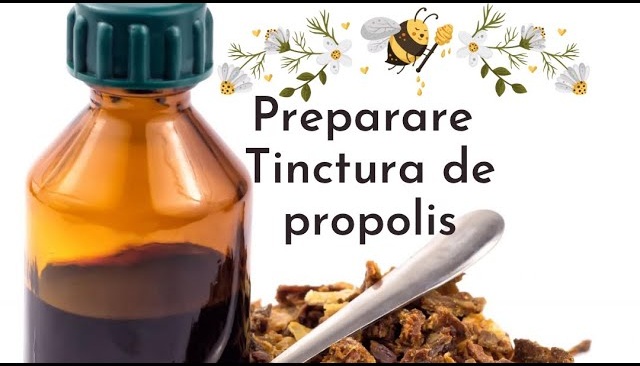
Propolis tincture is a natural remedy with a long-standing tradition in folk medicine, used for its antimicrobial, anti-inflammatory, and immune-stimulating properties. When prepared correctly, it becomes a valuable ally for the health of the entire family.
What is Propolis and Why is it Valuable?
Propolis is a resinous substance collected by bees from tree buds and mixed with their own secretions. It contains over 300 active compounds, including flavonoids, phenolic acids, esters, vitamins, and essential oils.
According to a study published in Molecules (2021), propolis has significant antimicrobial activity against gram-positive bacteria, such as Staphylococcus aureus and Streptococcus pneumoniae, as well as viruses, including some strains of influenza.
Recipe: How to Properly Prepare Propolis Tincture at Home
Ingredients:
- 30 g of clean, solid propolis (available from beekeepers or health food stores)
- 100 ml of 70% food-grade ethyl alcohol
- A dark glass jar (preferably amber)
- Cheesecloth or coffee filter
- Dropper bottle (for storage)
Preparation Method:
- Prepare the propolis: If it is raw, place it in the freezer for 2-3 hours, then grate it. If it is already solid, crush it as finely as possible.
- Place the propolis in a glass jar and pour the alcohol over it.
- Shake well and let it macerate for 14 days in a dark, cool place.
- Shake the jar daily 1-2 times.
- After 14 days, filter the tincture through cheesecloth or a coffee filter.
- Store the resulting liquid in a dark glass bottle with a dropper, in a cool place away from light.
Shelf life: up to 2 years if stored correctly.
How to Use Propolis Tincture
Internally:
- Adults: 20-30 drops 2-3 times a day, diluted in a little water or honey.
- Children over 7 years: 5-10 drops depending on weight (only on pediatrician’s recommendation).
Common indications:
- Respiratory infections (cold, flu, sore throat)
- Low immunity
- Urinary infections
- Digestive disorders (ulcer, gastritis)
Externally:
- Local applications for wounds, burns, acne, herpes
- Gargle for pharyngitis or tonsillitis (10 drops in a glass of warm water)
- Compresses for muscle pain or rheumatism
Contraindications and Precautions
- Allergy to bee products (test a drop on the skin before administration)
- Pregnancy and breastfeeding – use only on medical advice
- Children under 7 years – internal administration must be done with medical approval
- Do not administer in cases of severe liver disease without medical consultation
What Do Recent Studies Say?
- Propolis has antiviral and antifungal potential – a 2020 study (Frontiers in Pharmacology) suggests that propolis may inhibit the replication of certain viruses, including coronaviruses.
- Clinical studies have shown that daily use of propolis tincture significantly reduces the duration of colds and throat infections.
- Brazilian green propolis has shown promising results in adjunct therapies for Helicobacter pylori.
Preparing propolis tincture at home is simple but requires attention and adherence to proportions. When used correctly, it can become a reliable remedy in the family’s natural pharmacy. However, it is essential to consult a doctor in cases of associated treatments or pre-existing conditions.




