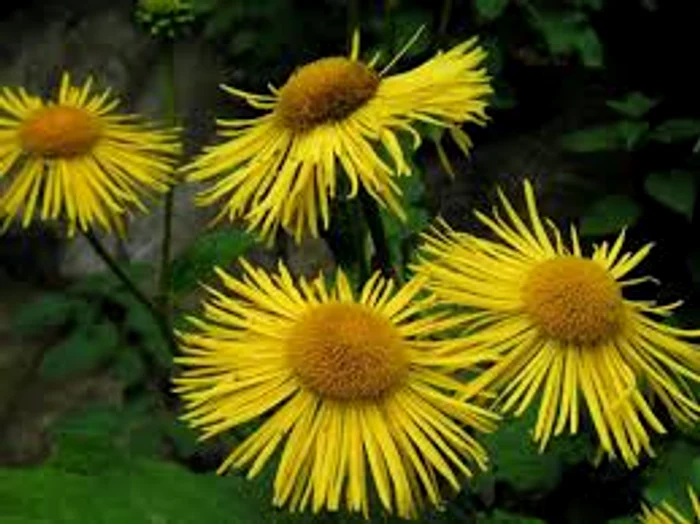
Elecampane (Inula helenium) is one of the most valuable medicinal plants in European flora, known since ancient times for its healing effects on the respiratory system. The root of this plant is rich in active compounds that contribute to lung healing, thinning bronchial secretions, and reducing inflammation in the respiratory tract. In Romanian folk medicine, elecampane was used in teas and macerates, especially in cases of persistent cough or respiratory infections.
Benefits for Lung Health – How Elecampane Works
Powerful Natural Expectorant
The root of elecampane contains inulin and alantolactone, substances that stimulate the elimination of mucus from the lungs and bronchi. They help to thin dense secretions, making coughing more effective and less painful. It is useful in chronic bronchitis, tracheitis, productive cough, and even bronchial asthma.
Antimicrobial and Antiviral Action
Alantolactone has proven effects against bacteria (such as Staphylococcus aureus, Klebsiella pneumoniae) and some respiratory viruses. It supports the immune system in fighting infections of the upper and lower respiratory tract.
Reduces Inflammation in the Lungs
Extracts from the root of elecampane reduce local inflammation due to the content of sesquiterpene lactones. These calm the irritated respiratory mucosa, reducing irritation and the sensation of chest tightness.
Bronchodilator and Antispasmodic Effects
It contributes to the relaxation of smooth muscle in the bronchi, facilitating breathing and calming spasmodic cough attacks.
Recipes and Administration Methods
1. Elecampane Tea for Cough and Lung Congestion
Ingredients:
- 1 tablespoon of dried and crushed elecampane root
- 250 ml boiling water
Preparation and Administration:
Infuse the root in water for 10-15 minutes, then strain. Drink 1 cup twice a day, in the morning and evening, for 7-10 days.
Indicated for bronchitis, colds, flu with productive cough.
2. Expectorant Syrup of Elecampane (with Honey)
Ingredients:
- 100 g fresh or dried elecampane root
- 500 ml water
- 300 g honey
Preparation Method:
Boil the root on low heat for 20 minutes, let it cool, then strain. Mix the liquid with honey and store in a glass container in the refrigerator.
Administration:
Take 1 tablespoon 3 times a day, after meals.
Effective in cases of persistent cough, bronchial secretions, and lung irritation.
3. Elecampane Tincture
Ingredients:
- 50 g dried elecampane root
- 250 ml 40% food-grade alcohol
Preparation Method:
Let it macerate for 10-14 days in an airtight jar, shaking daily. Strain and store in dark glass bottles.
Administration:
10-15 drops 2-3 times a day, diluted in a little water, before meals.
Suitable for supporting the lungs in chronic cases, including asthma or pulmonary emphysema.
Contraindications and Precautions
Pregnant and breastfeeding women should not use elecampane without medical advice.
Contraindicated in case of allergy to plants from the Asteraceae family.
It may interact with bronchodilator or expectorant medications; consulting a specialist is recommended.
Excessive consumption may lead to gastrointestinal irritation or nausea.
What Studies and Specialists Say
A study published in Journal of Ethnopharmacology (2012) demonstrated that extracts from Inula helenium have significant antimicrobial and anti-inflammatory effects on the respiratory tract, especially against resistant bacteria.
According to an article in Phytotherapy Research (2021), alantolactone has bronchodilator effects comparable to those of synthetic medications, but with fewer side effects.
Dr. A. Thompson, a British herbalist, emphasizes that elecampane is one of the best plants for draining residual mucus from the lungs, being ideal during post-flu periods or after viral lung infections.




