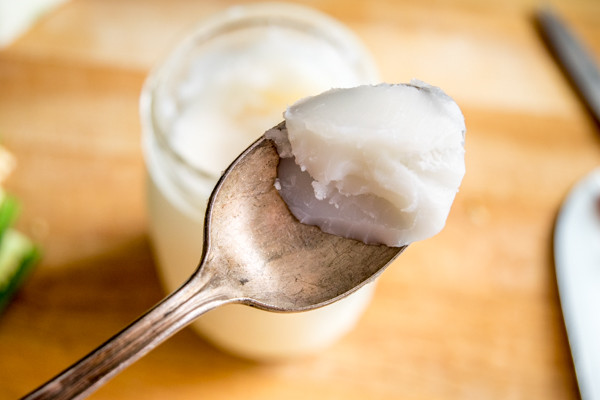
Lard has been used in kitchens around the world before 1900. Recently, it has fallen out of favor due to claims that it is not beneficial for health. When we hear the word lard, we immediately think of clogged blood vessels. I believe it is time to tell the truth about lard, a healthy fat for cooking that deserves to return to kitchens worldwide.
Remedies with Lard
Poultices with Lard
1. Tooth Pain
To gradually relieve tooth pain, a small piece of lard mixed with salt can be applied to the affected tooth (on the side facing the cheek).
2. Joint Pain
Mix 100 g of melted lard with a tablespoon of honey and apply it to the area affected by joint pain. Rub the joints with this natural ointment and cover with a piece of plastic wrap. On top, wrap with a scarf or a linen bandage to warm the affected area well.
Leave the preparation to act overnight.
3. Mobility Difficulties
Individuals who have experienced a loss of joint mobility due to trauma or severe injuries can treat the affected area with a paste made from 100 g of lard and a tablespoon of salt. Rub the affected area well and wrap it with a linen bandage.
Applications with Lard
1. Mastitis
To reduce inflammation caused by mastitis, apply a slice of aged lard cut into a thin layer to the skin, and on top, place a piece of foil (from a chocolate bar). Secure the bandage with adhesive tape.
2. Eczema
Use clean lard, without salt, which is melted and then cooled to 35 degrees. Take 2 tablespoons of melted fat and mix it with 2 raw egg whites and 3 tablespoons of celandine juice. Homogenize and let it macerate for 2-3 days in a cool place.
With the ointment obtained, apply it to the affected areas twice a day.
Benefits of Lard
1. It is Stable at High Temperatures
When it comes to determining the stability of a fat, it all comes down to chemistry. Saturated fats have unique bonds between all the carbon molecules in the fatty acid chain. For this reason, they are the most thermally stable. This is because the unique bonds are hard to break.
According to Mary Enig, the composition of lard is: 40% saturated fats, 50% monounsaturated fats, and 10% polyunsaturated fats. The high percentage of saturated fats in lard protects the mono and polyunsaturated fats from oxidation at high temperatures. For this reason, lard is excellent for cooking and baking.
2. It is Rich in Vitamin D
After cod liver oil, lard is the richest source of vitamin D. A tablespoon of lard contains 1000 IU of vitamin D or 500 IU/100 grams, which is fat-soluble. For this reason, it requires fatty acids to be absorbed and utilized in the body.
Lard provides the perfect package of vitamin D and necessary fatty acids. Other foods that provide vitamin D are egg yolks and liver, but these are low in this vitamin compared to lard.
Only pigs that have access to the outdoors and sunlight produce fat rich in vitamin D. When they are in the sun, they synthesize vitamin D and store it in fat. Make sure to buy either pork or just fat from local farmers, as pigs raised in large farms have fat filled with antibiotics and should be avoided.
3. It is Good for the Heart
You may wonder when reading that lard is good for the heart: But it is full of saturated fats and cholesterol! Doesn’t that increase the risk of heart disease?
Well, this is just a myth. Our grandparents consumed lard and butter, yet they had extremely low rates of heart disease. When part of a healthy diet, it will not cause heart disease.
It is important to remember that the intake of saturated fats increases the levels of HDL cholesterol, which is associated with a reduced risk of heart disease. If we think about it, heart disease and diabetes have increased significantly since animal fats were replaced with processed fats, such as margarine or vegetable oils.
4. Lard is 100% Natural
Unlike vegetable oils that are highly processed, lard obtained from local pig farmers is 100% natural. From a pig weighing about 100 kg, 8-9 kg of lard can be obtained.
5. Lard Adds Delicious Flavor to Foods
When meat is fried in lard, it becomes more tender and has a more delicious taste. Chicken or beef fried in lard becomes crispier and will delight your taste buds with their flavor. Lard is also ideal for preparing eggs, fried potatoes, and even for frying donuts. If you use lard for making donuts, they will become fluffier.
Another important aspect of lard is that it does not alter the taste of foods and has no smell.




