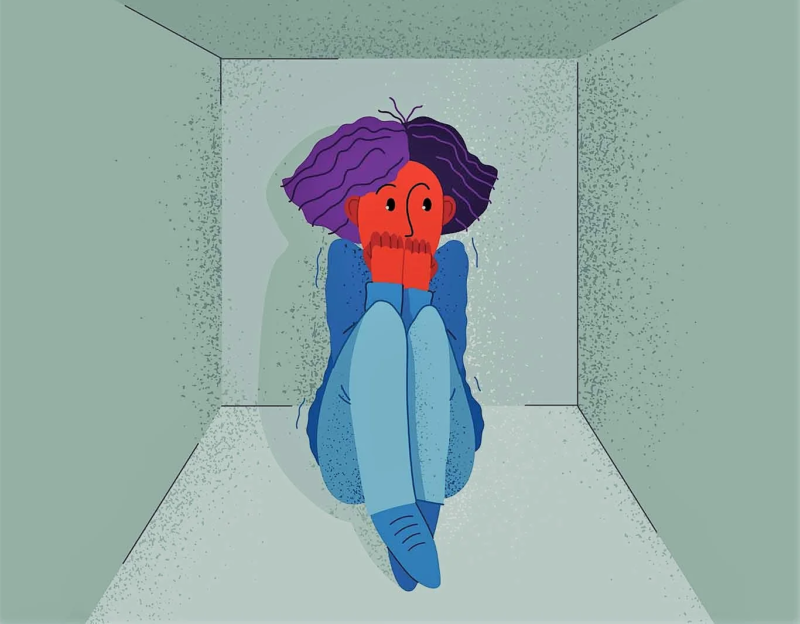
Constant anxiety, feelings of suffocation, or panic attacks affect more and more people in today’s society. One of the most studied plants in this regard is lemon balm (Melissa officinalis), an aromatic herb with scientifically proven calming effects on the nervous system.
What Do Studies Say About Lemon Balm and Anxiety?
A study conducted in 2020 by researchers at University of Northumbria (UK) showed that daily administration of a standardized extract of Melissa officinalis for 15 days resulted in:
- decreased cortisol levels (the stress hormone),
- reduced frequency of panic attacks,
- improved sleep quality,
- increased concentration and emotional balance.
Other studies published in Phytomedicine and Nutrients confirm the effect of lemon balm on GABA receptors, the same ones targeted by anxiolytic medications, but without severe side effects.
According to Prof. Dr. Ilie Popescu, a phytotherapist:
Lemon balm calms not only the mind but also the heart, as it acts on the autonomic nervous system, reducing palpitations and the sensation of a lump in the throat associated with panic attacks.
How to Use Lemon Balm for Anxiety and Panic Attacks?
1. Lemon Balm Tea (Calming Infusion)
- 1 tablespoon of dried leaves (or 2 tablespoons of fresh leaves)
- 250 ml hot water
Steep for 10 minutes, strain, and drink in the evening or 2-3 times a day, depending on the intensity of the symptoms.
Recommended before bedtime for a more restful sleep.
2. Lemon Balm Tincture
- Administer 30 drops, 2-3 times a day, diluted in water.
- The treatment can last 14-21 days, with a break of 7 days.
Ideal for acute episodes of agitation or in combination with valerian.
3. Calming Syrup with Lemon Balm and Honey
- 1 handful of fresh lemon balm leaves
- 250 ml water
- 2 tablespoons of honey
Boil the leaves for 10 minutes, let cool, then add the honey. Store in the refrigerator for 3-4 days. Take 2 tablespoons a day.
4. Lemon Balm Essential Oil (for Aromatherapy)
- 3-4 drops in a diffuser or added to bath water
It has a profound calming effect on the limbic system, reducing panic reactions and cerebral hyperactivity.
Other Useful Combinations
- Lemon Balm + St. John’s Wort + Valerian for sleep disturbances and recurrent attacks
- Lemon Balm + Linden + Lavender for emotional anxiety in children and adolescents
Contraindications and Precautions
- Not to be administered during pregnancy or breastfeeding without medical advice.
- May interact with sedative or antidepressant medications (potentially enhancing their effect).
- In some individuals, it may cause mild daytime drowsiness; initial testing is recommended on days off.
- Avoid prolonged use without breaks (maximum 3 weeks, followed by a 1-week break).
Benefits of Lemon Balm
Regulating the Nervous System
By stimulating GABA receptors, lemon balm reduces signals of cerebral hyperactivity that cause anxiety, fear, and uncontrolled panic reactions.
Beneficial Effects on the Heart
Reduces palpitations, high blood pressure due to stress, and the sensation of emptiness in the chest by calming the autonomic nervous system.
Supports Sleep and Mental Recovery
By calming the mind and reducing inner tension, lemon balm promotes rapid falling asleep and deep sleep, essential in combating long-term anxiety.
Lemon balm is a plant with a profound effect on inner calm and emotional stability. When used correctly, it can become a reliable ally during periods of intense anxiety and in managing panic attacks without major side effects, but with remarkable results.
Sources:
- Phytomedicine Melissa officinalis extract reduces anxiety and sleep disturbances: a randomized clinical trial
- University of Northumbria Calming effects of Melissa officinalis on cortisol levels and mood
- Nutrients Neuropharmacological properties of lemon balm: GABAergic modulation




