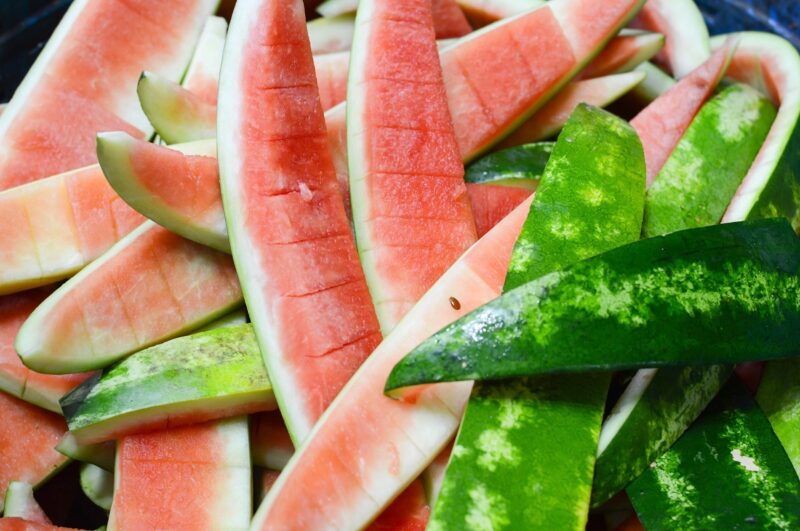
During watermelon season, tons of rinds end up in the trash. However, watermelon rind is an overlooked nutritional treasure, full of active compounds that can support heart, kidney, and digestive health. The white part between the hard rind and the juicy flesh is rich in citrulline, fiber, water, and antioxidants, making it ideal for zero-waste recipes. These recipes are not only eco-friendly but also beneficial for the body, especially when using clean ingredients and free from pesticides.
Benefits of Watermelon Rind
1. Supports Heart Health Due to High L-Citrulline Content
Watermelon rind is one of the richest natural sources of L-citrulline, an essential amino acid for vascular health. It is converted in the body to arginine, which stimulates the production of nitric oxide, a gas that helps relax blood vessels. This way, blood pressure can be maintained within normal limits, and blood circulation is improved. Additionally, this effect contributes to reducing the risk of heart attacks and strokes. Watermelon rind can be a natural aid for people with hypertension or metabolic syndrome.
2. Promotes Toxin Elimination Through Natural Diuretic Effect
Watermelon rind has a mild diuretic effect due to its water content and bioactive compounds that stimulate the kidneys. This action helps eliminate excess sodium and waste substances from the body, enhancing renal activity. Regular consumption (in the form of juice or pickles) reduces water retention and associated inflammation. It also decreases pressure on blood vessels and supports electrolyte balance. This property makes watermelon rind a gentle yet effective ally in detoxification regimens.
3. Regulates Digestion and Combats Constipation Through Fiber Intake
The white part of watermelon rind is a good source of insoluble fiber, which is not digested but plays an essential role in maintaining healthy intestinal transit. This fiber adds bulk to stool and stimulates intestinal peristalsis, preventing chronic constipation. Moreover, fiber consumption supports beneficial gut flora, reducing intestinal inflammation and abdominal discomfort. The rind can be added to smoothies, salads, or cooked in jams to provide this benefit without affecting the taste of dishes. Balanced transit also means more effective natural detoxification.
4. Supports the Immune System Due to Antioxidants and Vitamin C
Although it may not seem like it at first glance, watermelon rind contains flavonoids, chlorophyll, and vitamin C, essential elements for a strong immune system. The antioxidants in the rind neutralize free radicals, reducing oxidative stress, a major factor in cellular aging and the onset of chronic diseases. Vitamin C is known for its role in stimulating white blood cells and protecting against bacterial and viral infections. Regular consumption of rind, especially in the form of raw juice or pickles, can supplement the daily intake of antioxidants. This natural defense is especially helpful during stressful periods or seasonal changes.
5. Contributes to Skin Health and Reduces Inflammation
Watermelon rind contains anti-inflammatory compounds, such as cucurbitacin and citrulline, which can reduce skin irritations and redness. When applied as a mask or consumed regularly, the rind can improve skin texture and prevent the appearance of blemishes and eczema. The intense hydration it provides helps maintain skin elasticity and radiance. Additionally, citrulline consumption is associated with better cellular oxygenation, including at the skin level. Thus, watermelon rind can be a discreet yet valuable ally for natural beauty.
Scientific Studies
Study 1: Journal of the Science of Food and Agriculture Citrulline Content in Watermelon Rind and Its Potential Health Effects
This study analyzed the differences in L-citrulline content between the flesh and rind of watermelon. Researchers demonstrated that the white part of the rind has citrulline concentrations up to 60% higher than the flesh. Citrulline is a precursor amino acid to arginine, which plays a crucial role in cardiovascular health. By consuming the rind, the body can produce more nitric oxide, with vasodilatory effects and blood pressure reduction. The study included in vitro and in vivo tests, demonstrating that rind extracts have significant biological activity. The authors concluded that this underutilized part of the watermelon can be considered nutraceutical, meaning a food with therapeutic value. Furthermore, the rind was very well tolerated in all experiments, without adverse reactions. The researchers recommended integrating the rind into processed foods or dietary supplements. The study was conducted on samples from organic watermelons, ensuring the purity of the results. The findings support the idea of reusing the rind in functional human nutrition.
Study 2: Food Chemistry Antioxidant Properties of Watermelon Rind Extract
The study investigated the antioxidant properties of watermelon rind extract. An extraction process based on alcohol and water was used, followed by testing the antioxidant capacity through DPPH and FRAP methods. The results showed that the extract has a significant antioxidant activity, comparable to extracts from well-known fruits, such as pomegranates or blueberries. The major compound responsible was identified as gallic acid, followed by flavonoids and vitamin C. The authors also tested the stability of these compounds after thermal processing (e.g., boiling or baking), finding that they resist well at moderate temperatures. Therefore, the rind can be successfully used in jams or pickles without significant losses of antioxidants. The study demonstrated that the extract can reduce lipid oxidation, being useful in preventing cardiovascular diseases. Additionally, a moderate anti-inflammatory activity was observed, opening possibilities for external therapeutic uses. The conclusion was that the rind is an excellent candidate for functional food products. The study had a rigorous approach and was validated through multiple laboratory methods.
Zero-Waste Recipes with Watermelon Rind
Quick Pickles from Watermelon Rind
- Cut the white part of the rind into cubes.
- Blanch in hot water for 1 minute, then place in a jar.
- Add: 2 tablespoons apple cider vinegar, 1 tablespoon salt, 1 tablespoon sugar, pepper, garlic.
- Pour boiling water over and let pickle for 2-3 days.
Watermelon Rind Jam
-
Boil 500 g of white rind (cut into small cubes) with 250 ml of water until it becomes soft.
-
Let the mixture cool slightly (below 40°C).
-
Add 200 g of honey (or agave syrup for a vegan option), plus lemon rind and a cinnamon stick.
-
Mix well and pour into sterilized jars.
-
Store in the refrigerator and consume within 7-10 days (without sugar and without final boiling).
Alternatively: If you want jam for winter, you can use sugar or agave syrup and normal boiling, and add honey only when serving, not in the cooked jam.
Contraindications and Precautions
- Do not consume the dark green part of the rind (the hard part), as it may contain pesticides and is hard to digest.
- Avoid excessive consumption if you have irritable bowel syndrome, chronic bloating, or gastritis.
- Pregnant women and small children should consume the rind only processed (cooked or pickled), not raw.
- People with severe kidney problems should consult a doctor before consuming the rind due to its diuretic effect.
Sources:
- Journal of the Science of Food and Agriculture Citrulline Content in Watermelon Rind and Its Potential Health Effects
- Food Chemistry Antioxidant Properties of Watermelon Rind Extract
- International Journal of Food Science and Technology Utilization of Watermelon Rind in Functional Food Products




