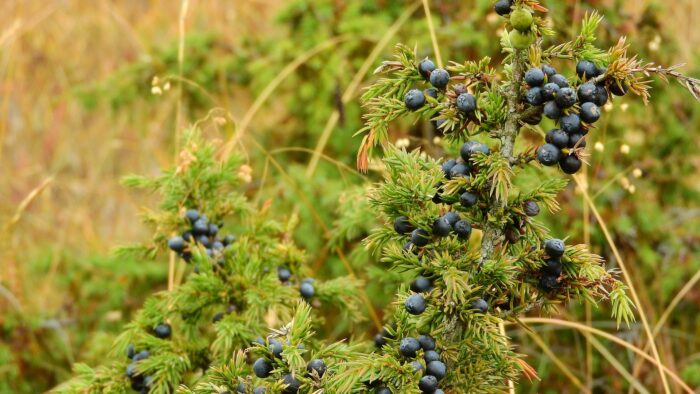
Juniper berries are the fruits of the shrub Juniperus communis, a perennial plant found in temperate regions of the world. They are small, round, and usually blue-black in color, but can vary from green to purple. Juniper is known for its uses in traditional medicine and the food industry, being an essential ingredient in the production of gin.
What Do Juniper Berries Contain?
Juniper berries are rich in nutrients and bioactive compounds that contribute to their therapeutic benefits. They contain:
- Essential oils (such as monoterpenes, pinene, limonene, cedrene), which have antimicrobial and anti-inflammatory properties.
- Flavonoids, compounds with strong antioxidant effects that help protect cells against oxidative stress.
- Organic acids, which may contribute to improved digestion and detoxification.
- Vitamins and minerals, including vitamin C, B vitamins, iron, potassium, calcium, and magnesium.
Benefits of Juniper Berries
1. Detoxification and Kidney Support
Juniper berries help increase urine production. This process contributes to the elimination of toxins and excess water from the body, supporting the health of the kidneys and urinary bladder. Additionally, consuming juniper may help prevent the formation of kidney stones by aiding in the elimination of salts and substances that can crystallize into stones.
2. Reduction of Inflammation and Joint Pain
Due to its anti-inflammatory properties, juniper essential oil is frequently used to treat inflammatory conditions such as arthritis. Juniper berries can reduce inflammation in the body, and regular consumption may help alleviate joint and muscle pain. Furthermore, the anti-inflammatory effects help protect cartilage and joint tissues.
3. Improvement of Digestion and Relief from Bloating
Juniper berries are excellent for stimulating the digestive process, having a carminative effect (helping to eliminate intestinal gas) and an antispasmodic effect (relaxing smooth muscles of the intestine). They help reduce bloating, abdominal cramps, and indigestion. Regular consumption of juniper can stimulate bile secretion, thus improving fat digestion.
4. Support for the Immune System
Juniper berries contain a significant amount of vitamin C, a powerful antioxidant that helps strengthen the immune system. Vitamin C contributes to collagen production, which is essential for maintaining the health of tissues and joints. Additionally, this vitamin helps combat infections and stimulates the production of white blood cells, which are essential for protecting the body against pathogens.
5. Antimicrobial and Antifungal Properties
Juniper essential oil has remarkable antimicrobial and antifungal properties, being used to combat various types of bacterial and fungal infections. Studies have shown that juniper can inhibit the growth of certain pathogenic bacteria, including E. coli and Staphylococcus aureus. Additionally, juniper berries may help treat skin infections, such as acne or nail fungus.
6. Reduction of Stress and Anxiety
Inhaling the vapors of juniper essential oil or consuming them can help reduce symptoms of anxiety and stress. Juniper oil has a calming effect on the nervous system and can contribute to the overall relaxation of the body, helping to lower cortisol levels (the stress hormone). Furthermore, juniper is used in aromatherapy to induce a more peaceful and restful sleep.
7. Improvement of Blood Circulation
Juniper berries have a mild vasodilatory effect, which means they help stimulate blood flow and reduce blood pressure. These effects are beneficial in preventing cardiovascular diseases, such as hypertension or atherosclerosis.
8. Prevention of Signs of Aging
The antioxidants in juniper berries (such as flavonoids and vitamin C) protect the skin from the harmful effects of free radicals, which are responsible for premature skin aging. Additionally, juniper berries have antiseptic properties and can help treat acne, eczema, and other skin conditions. External application of essential oil can stimulate cellular regeneration and reduce the appearance of wrinkles.
9. Treatment of Respiratory Infections
Due to its expectorant properties, juniper is effective in treating respiratory infections. Juniper berries can help reduce coughing and clear the respiratory tract of accumulated mucus, making breathing easier. Additionally, this natural remedy can assist in cases of colds, flu, or bronchitis.
10. Support for Metabolism and Weight Control
Due to its diuretic and detoxifying properties, juniper can support the weight loss process by helping the body eliminate excess water and toxins. It may also contribute to stimulating metabolism, promoting fat burning. Furthermore, consuming juniper can help regulate blood sugar levels, reducing the risk of developing type 2 diabetes.
11. Protection Against Urinary Tract Infections
Due to its antibacterial effect, juniper is used for the prevention and treatment of urinary tract infections (UTIs). Juniper berries can help combat the bacteria that cause urinary infections, playing an important role in maintaining the health of the urinary bladder and kidneys.
How to Consume Juniper Berries?
Juniper berries can be consumed in several ways to benefit from their therapeutic properties:
- Juniper Infusion: Add 1-2 teaspoons of crushed juniper berries to a cup of hot water. Let it steep for 10-15 minutes and drink twice a day for detoxifying and digestive effects.
- Juniper Tincture: Available in health food stores, juniper tincture can be taken in small doses to support kidney and digestive health.
- In Culinary Preparations: Crushed juniper berries can be added to soups, stews, or meat dishes to add a peppery and aromatic flavor. Additionally, juniper is an essential ingredient in gin production.
- External Application: Juniper essential oil can be used diluted in massage or baths to relax muscles and alleviate joint pain.
Precautions and Contraindications
Although juniper berries are beneficial for most people, excessive consumption can cause digestive irritation or allergic reactions. Individuals with kidney conditions or those who are pregnant should avoid excessive consumption of juniper. Additionally, it is important to consult a specialist before using juniper for medicinal purposes, especially in the case of long-term treatments.




