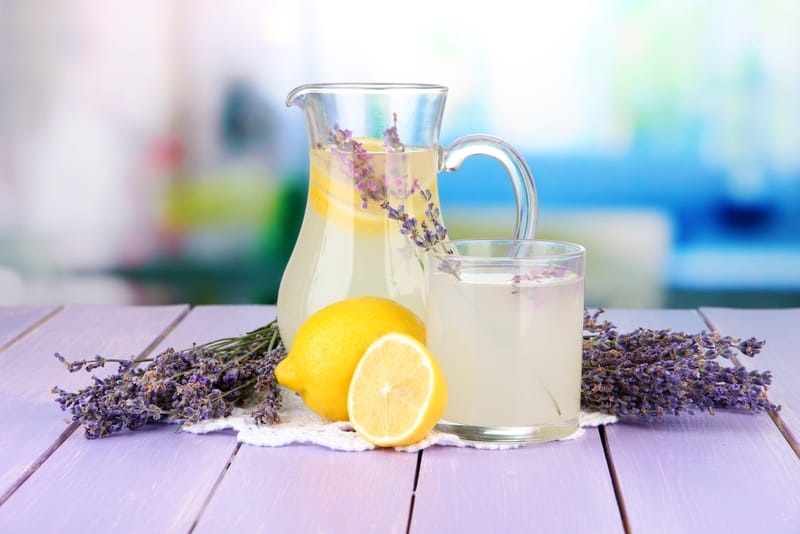
Lemonade with mint and lavender is much more than a summer drink. It harmoniously combines the recognized medicinal properties of the three key ingredients: lemon, mint, and lavender. Each of these plants brings a specific therapeutic effect, supported by scientific research, and can contribute to physical and emotional balance. In a single pitcher, you obtain a digestive tonic, a natural relaxant, and an immune booster.
Benefits of the Ingredients
Lemon: Detoxifying, Immune-Stimulating, and Revitalizing
Lemon is one of the most well-known natural sources of vitamin C, but its benefits go far beyond this aspect. The citric acid it contains helps activate digestive enzymes and supports liver function, contributing to the elimination of accumulated toxins in the body. Additionally, it has been observed that regular intake of lemon juice helps regulate internal pH, alkalizing the blood despite the acidity of its taste. This effect is essential in combating chronic inflammation.
Vitamin C acts as an antioxidant, protecting cells against oxidative stress and stimulating collagen production. Moreover, lemon contains flavonoids such as eriocitrin and hesperidin, which have been studied for their anti-inflammatory effects and cholesterol-lowering properties. A study published in the Journal of Clinical Biochemistry and Nutrition (2011) showed that the intake of flavonoids from lemon reduces oxidative stress in patients with moderate hypertension.
Furthermore, the fresh aroma of lemon has effects on the psyche— inhaling citrus vapors reduces mental fatigue and induces a state of alertness and clarity. Another study from the Journal of Alternative and Complementary Medicine (2008) demonstrated that lemon essential oil improves concentration and reduces mild anxiety symptoms.
Consuming lemon also stimulates saliva secretion, preventing dry mouth and supporting oral cavity health. Additionally, it contains potassium, an important mineral for muscle function and blood pressure balance. In combination with mint and lavender, lemon amplifies the detoxifying and energizing effect of the lemonade without overloading the digestive system.
Mint: Digestive Tonic and Nervous Relaxant
Mint is one of the most studied plants regarding its effects on the digestive system. The leaves contain essential oil rich in menthol, menthone, and eucalyptol, compounds that have antispasmodic, carminative, and mild anesthetic actions. These compounds help relax the smooth muscles of the intestine, reducing cramps, bloating, and nausea. It is ideal for individuals with irritable bowel syndrome or slow digestion.
An important study published in the British Medical Journal (BMJ, 2008) showed that peppermint oil significantly reduces symptoms of irritable bowel syndrome, and the authors described it as the most effective and safe herbal treatment for this condition. Participants who took peppermint oil capsules reported a 40-50% decrease in abdominal pain and bloating in just 4 weeks.
In addition to its digestive benefits, mint also has a nerve-tonifying action. Mint vapors stimulate olfactory receptors and activate the sympathetic nervous system, leading to a slight increase in alertness and vigilance. At the same time, oral consumption has a balanced effect: calming in cases of irritability, but without inducing drowsiness.
Moreover, menthol has antimicrobial effects, contributing to the reduction of gum inflammation and freshening breath. An article published in Evidence-Based Complementary and Alternative Medicine (2015) detailed the uses of peppermint oil in treating headaches, nausea, and gastrointestinal discomfort, supporting the use of this plant in a therapeutic lemonade.
In combination with lavender, mint creates a balance between stimulation and calm, making the drink ideal for individuals suffering from digestive stress related to anxiety.
Lavender: Mental Relaxant, Natural Anxiolytic, and Aid for Insomnia
Lavender has been known for centuries for its relaxing effect, and modern science has validated these properties in detail. The main active compounds of lavender—linalool and linalyl acetate—act on GABA receptors in the brain, which are involved in regulating anxiety and stress levels. These compounds have a similar effect to benzodiazepines but without the risk of dependence or significant side effects.
A randomized controlled study published in Phytomedicine (2010) compared lavender extract with paroxetine (an antidepressant) in the treatment of generalized anxiety disorder. The results showed that lavender extract was equally effective in reducing anxiety symptoms, with much better tolerability.
Another landmark study from Frontiers in Behavioral Neuroscience (2018) showed that inhaling lavender vapors significantly reduces sympathetic nervous system activity and lowers cortisol levels, the stress hormone. This explains why lavender is often used in the treatment of insomnia, nervous tension, and panic attacks.
Lavender is also useful in syndromes related to chronic stress, such as premenstrual syndrome or tension headaches. An article from Journal of Herbal Pharmacotherapy (2006) showed that lavender tea reduces irritability and fatigue in women during the premenstrual period.
Consumed in moderate amounts as a cold infusion, such as in this lemonade, lavender does not cause sudden drowsiness but induces a state of tonic calm, ideal for hectic periods. Combined with mint, the sedative effect is balanced, and with lemon, the antioxidant action is enhanced.
Recipe for Lemonade with Mint and Lavender
Ingredients:
- 2 organic lemons
- 1 liter of still or sparkling water
- 1 tablespoon of dried lavender flowers
- 1 handful of fresh mint leaves
- 2-3 tablespoons of honey or agave syrup
- Ice (optional)
Preparation Method:
- Infuse the lavender flowers in 200 ml of boiling water for 10-15 minutes, then strain and let cool.
- Squeeze the lemons and pour the juice into a pitcher.
- Add the lavender infusion, the remaining water, and honey.
- Gently crush the mint leaves and add them.
- Mix well, add ice, and let it sit in the refrigerator for 20-30 minutes for an intense aroma.
Contraindications
- Lavender is not recommended during pregnancy or in the case of hormonal treatments.
- Mint should be avoided by individuals with severe gastroesophageal reflux.
- Lemon in excess can erode dental enamel; it is recommended to consume it with a straw.
- Individuals with allergies to plants in the mint family (Lamiaceae) should avoid this drink.




