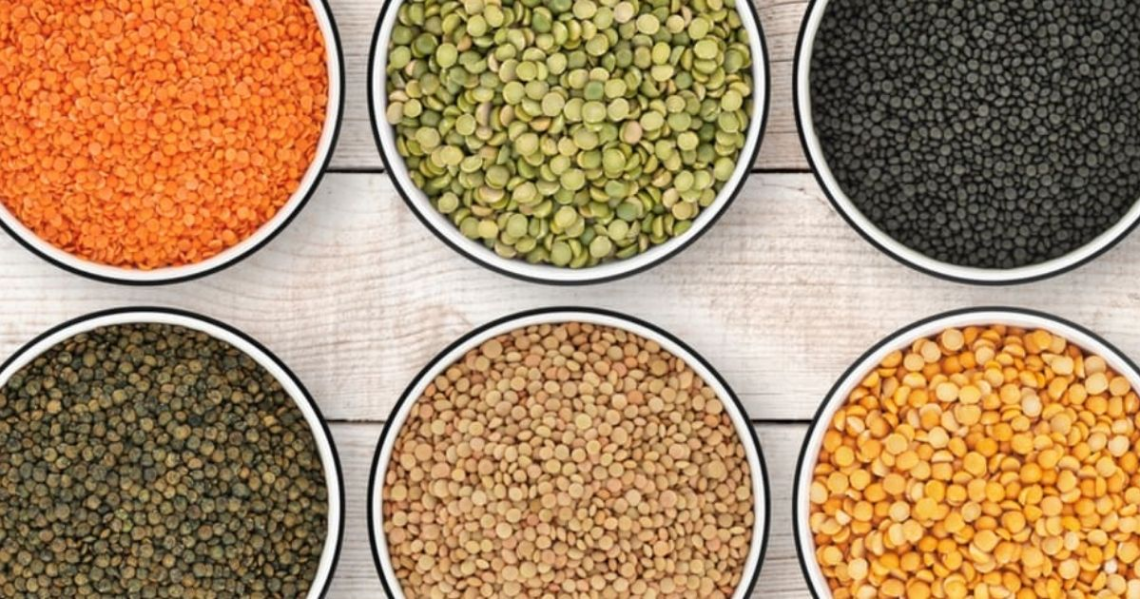
Lentils have a high protein content, offering improved digestion and a healthy heart, helping to control diabetes and cancer, and serving as an effective solution for anemia and better electrolyte activity. They are beneficial for pregnant women, prevent atherosclerosis, and help maintain a healthy nervous system.
Lentils are rich in proteins, essential amino acids, micronutrients, vitamins, and minerals.
They are consumed much more frequently in Asian countries, especially India. India has the largest number of vegetarians, and lentils serve as a protein substitute. They contain more protein than any other plant. The protein content in lentils can be up to 35%, comparable to that of meat. They are a good source of dietary fiber and have a low calorie count. Other nutritional components found in lentils include: folate, tryptophan, manganese, iron, phosphorus, copper, vitamin B1, and potassium. Lentils are also a good source of phytochemicals and phenols.
Organs and muscles require a constant amount of protein for repair and growth. Lentils contain all the essential amino acids necessary for our body for proper muscle building and functioning.
The dietary fibers found in lentils help control blood sugar levels. Dietary fibers slow down the rate at which food is absorbed by the body, thus maintaining blood sugar levels consistently.
Dietary fibers improve digestion when consumed regularly. They also aid in intestinal movement, preventing constipation.
Lentils represent an ideal source of protein without adding other fats to the body, thus promoting a healthier heart. Lentils contain magnesium, which helps relax cardiovascular muscles and lower blood pressure.
Research has shown that lentils provide antioxidants that reduce the chances of atherosclerosis. Additionally, they play a role in neutralizing free radicals and preventing cellular and genetic damage.
Studies have found that lentils have a significant influence on cancer cells. They have been shown to induce apoptosis (kill cancer cells), which means they have great potential for controlling cancer growth.
Lentils are a good source of B-complex vitamins, such as folic acid. Consuming this vitamin by pregnant women helps prevent congenital malformations. The folate found in lentils aids in the formation of red blood cells. It is known to be effective against hypertension and DNA damage.
The vitamins and minerals contained in lentils help with optimal brain function.
Lentils contain large amounts of iron, which is necessary for the body to produce hemoglobin optimally. Approximately 36% of the recommended daily intake is provided by just 200g of lentils.
Besides acting as an electrolyte, potassium is useful for the functioning of several organs such as the heart, brain, and kidneys.
Lentils also contain vitamin B3, which is essential for stimulating the digestive and nervous systems. Vitamin B3 offers many benefits, including cholesterol control, a reduced risk of diseases such as Alzheimer’s, cataracts, and diabetes.
Attention! The recommended protein intake is 0.8g/kg of body weight. Excessive protein consumption can affect the kidneys in eliminating excess protein from the body. In the long term, this elimination can affect overall kidney function. Additionally, lentils should not be consumed by those suffering from gout or arthritis due to their uric acid content.




