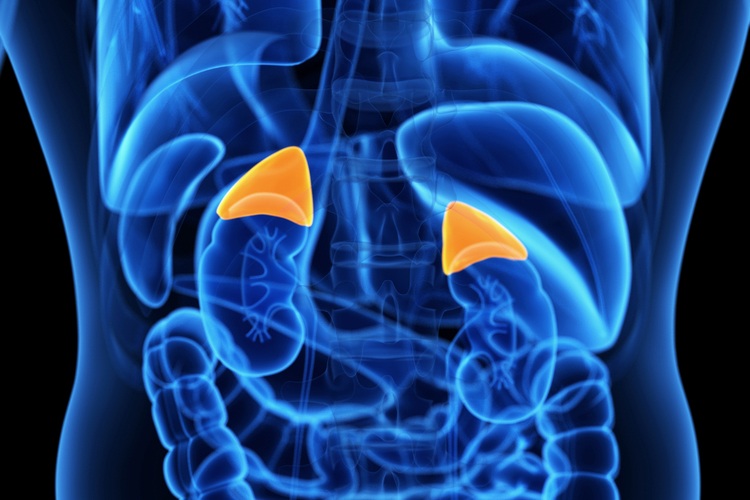
In a world where chronic stress seems to be a constant of modern life, the adrenal glands, responsible for the body’s response to stress, need support more than ever. One of the most valuable adaptogenic plants, licorice root (Glycyrrhiza glabra), has been known since ancient times as a powerful tonic for these glands, as well as an aid for the digestive, respiratory, and immune systems. In Ayurvedic medicine and modern phytotherapy, licorice is considered a true endocrine balancer and an excellent ally during periods of exhaustion.
Benefits – How Licorice Root Affects the Adrenal Glands and More
1. Support for the Adrenal Glands (Anti-Fatigue)
Licorice root is an adaptogen, which means it helps the body manage stress better. It contains glycyrrhizin, a compound that stimulates cortisol production and supports the adrenal glands when they are overworked. This effect is particularly valuable for exhausted individuals with low energy, anxiety, or stress-related insomnia.
2. Hormonal Balance and Thyroid Support
By regulating the stress response and influencing the HPA (hypothalamic-pituitary-adrenal) axis, licorice root can contribute to balancing the secretion of stress hormones. It is often used in cases of adrenal fatigue syndrome, as well as an adjunct in thyroid disorders, especially in functional hypothyroidism associated with prolonged stress.
3. Digestive and Respiratory Protection
In addition to supporting the endocrine glands, licorice soothes the gastric mucosa (it has emollient and anti-inflammatory effects), being useful in gastritis, acid reflux, and ulcers. It is also a gentle expectorant, useful in bronchitis, dry cough, or respiratory infections.
4. Immunity and Antiviral Action
Extracts from licorice have demonstrated effects against certain viruses (including herpes and coronaviruses), due to their content of glycyrrhizin and flavonoids. Additionally, it supports the production of interferon and activates the body’s defense mechanisms.
Ways to Use and Recipes
1. Simple Infusion of Licorice Root
Ingredients:
- 1 tablespoon of dried licorice root (finely chopped)
- 250 ml water
Preparation: Boil the root for 5-7 minutes, then let it steep for another 10 minutes. Strain and drink warm, 1 cup/day for 2-3 weeks.
Recommended for: adrenal fatigue, gastritis, irritating cough.
2. Licorice Tincture
Ingredients:
- 50 g dried licorice root
- 250 ml food-grade alcohol (40-50%)
Preparation: Place in an airtight jar and let it macerate for 14 days, shaking daily. Strain and store in a dark-colored bottle.
Dosage: 20-30 drops twice a day, in a little water. The course should not exceed 3 weeks.
3. Adaptogenic Blend for the Adrenal Glands
- 2 parts licorice root
- 1 part ashwagandha root
- 1 part Siberian ginseng root
Make an infusion from 1 tablespoon of the blend in 250 ml of water. Drink daily for 2-4 weeks. Supports overall tone, immunity, and hormonal balance.
Contraindications and Precautions
- Not recommended in high blood pressure, as glycyrrhizin can lead to sodium retention and increased blood pressure.
- Contraindicated in pregnancy and breastfeeding, as well as in individuals with severe kidney or heart diseases.
- Prolonged use (over 4 weeks) should be done under medical supervision.
- Individuals taking diuretics, corticosteroids, or antihypertensive medications should consult a doctor before use.
Sources:
- Glycyrrhiza glabra: pharmacological review, National Center for Biotechnology Information (NCBI)
- Adaptogens: Herbs for Strength, Stamina, and Stress Relief David Winston & Steven Maimes
- Herbal Medicine: Biomolecular and Clinical Aspects, 2nd edition, CRC Press
- Dr. Aviva Romm Botanical Medicine for Women’s Health
- European Medicines Agency monograph on Glycyrrhizae radix




