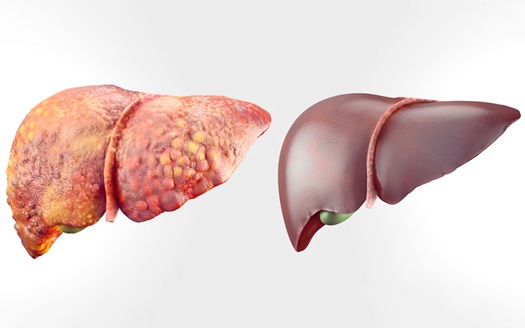
The liver is the main organ for filtering toxins from the body, responsible for neutralizing toxins, processing fats, and regulating metabolism. In a world where we are daily exposed to pollution, food additives, and stress, a liver cleanse can bring profound revitalization to the entire body. We propose a 7-day cleanse based on herbal teas and natural juices that help in the regeneration and detoxification of the liver.
Days 1-3: Activating Hepatic Drainage with Medicinal Teas
Morning (on an empty stomach):
Artichoke and Dandelion Tea
- 1 tablespoon of artichoke leaves
- 1 tablespoon of dandelion root
- 300 ml boiling water
Preparation: Steep for 10 minutes.
Dosage: 1 cup in the morning for 3 days.
Benefit: Artichoke stimulates bile secretion, while dandelion supports the elimination of toxins through the liver and kidneys. This duo creates an open pathway for liver cleansing.
At Lunch:
Reduced Dosage of Greater Celandine Tea
- 1/4 teaspoon of dried plant in 250 ml of water
Preparation: Boil for 1-2 minutes.
Dosage: 1 cup every 2 days, not daily.
Warning: Greater celandine is effective but potent. Do not exceed 7 days of administration. Avoid in case of pregnancy or severe liver conditions.
Days 4-5: Deep Cleansing with Green and Bitter Juices
Morning:
Detoxifying Celery and Lemon Juice
- 3 stalks of celery
- Juice of 1/2 lemon
- 1 glass of still water
Usage: Drink on an empty stomach, immediately after preparation.
Benefit: Celery has a choleretic effect (stimulates bile secretion), while lemon regenerates hepatocytes and aids in digestion fluidity.
Afternoon:
Carrot, Beetroot, and Ginger Juice
- 1 large carrot
- 1/2 small beetroot
- 1 piece of ginger
Benefit: Beetroot is rich in betaine, an essential nutrient for the hepatic detoxification process. Carrot and ginger provide enzymes and antioxidants that support cellular regeneration.
Days 6-7: Regeneration and Balance
Morning:
Milk Thistle and St. John’s Wort Tea
- 1 tablespoon of ground milk thistle seeds (added after steeping)
- 1 tablespoon of St. John’s Wort
- 250 ml water
Benefit: Milk thistle contains silymarin, a compound extensively studied for the regeneration of liver cells. St. John’s Wort reduces oxidative stress and supports the nervous system, promoting the elimination of toxic emotions stored in the liver (according to Eastern medicine).
Evening:
Water with Apple Cider Vinegar and Honey
- 1 tablespoon of raw apple cider vinegar
- 1 tablespoon of honey
- 250 ml warm water
Benefit: Promotes slow digestion in the evening and maintains the liver’s pH within a healthy range.
Benefits
- Progressive hepatic detoxification through the stimulation of bile and detoxification enzymes (glutathione, catalase, superoxide dismutase).
- Cellular regeneration due to silymarin, betaine, and antioxidants present in milk thistle and beetroot.
- Reduction of inflammation due to flavonoids and natural anti-inflammatory compounds in artichoke, dandelion, and lemon.
- Regulation of transit and digestion through the action of soluble fibers and choleretic compounds in celery and carrot.
- General revitalization a clean liver provides more energy, restful sleep, and clearer skin.
Contraindications
- Not recommended during pregnancy or lactation.
- Avoid the cleanse in case of active gallstones, gastric ulcer, or severe liver insufficiency.
- Greater celandine should be used with great caution, in small doses and not more than 7 days.
- Individuals with chronic conditions (e.g., diabetes, epilepsy, kidney conditions) should consult a doctor before starting the cleanse.
- Do not administer simultaneously with hepatotoxic or anticoagulant medications without medical advice.
What foods to consume during the cleanse?
For liver detoxification to be effective, it is essential that the recommended teas and juices are accompanied by a light, natural diet without excesses. Here are the recommendations to follow during the 7 days:
Permitted (and recommended) foods:
- Raw or lightly steamed vegetables: broccoli, carrots, zucchini, beetroot, cauliflower, spinach, cabbage, celery
- Fresh fruits: apples, pears, berries, kiwi, grapefruit
- Whole grains: brown rice, oats, quinoa
- Healthy fats in small amounts: extra virgin olive oil, avocado (maximum 1/2 per day), raw seeds (pumpkin, flax, sesame)
- Lightly prepared legumes: lentils, chickpeas, mung beans (in small quantities)
- Clear vegetable soups or vegetable creams without frying
- Still water and lemon water, between meals
Tip: Simple meals are recommended, consisting of 3 components: a vegetable base, a source of light plant-based protein (e.g., lentils), and healthy fats in small amounts.
Foods to completely avoid:
- Red meat, cold cuts, fatty fish, eggs
- Dairy products (especially aged or fatty cheeses)
- Processed products: cookies, chips, soft drinks, fast food
- Refined sugar and artificial sweeteners
- Coffee, alcohol, energy drinks
- White bread and baked goods with additives
These foods burden the liver with toxins, hard-to-metabolize fats, or chemical compounds that slow down the natural processes of liver regeneration.
This simple and clean nutritional approach, combined with the indicated juices and teas, fully supports the liver regeneration process. By avoiding foods that excessively burden the liver and introducing those that nourish and cleanse it, the results become visible from the first days: increased energy, easier digestion, brighter skin, and deeper sleep.




