Lovage is primarily known for its use in reducing inflammation and pain associated with urinary tract infections. It promotes digestive health and is commonly used for cases of indigestion, heartburn, stomach bloating, and intestinal gas. Additionally, it is known to act as an expectorant when it comes to respiratory issues and may even promote regular menstrual cycles.
Origin of Lovage
Lovage (Levisticum officinale) is a plant belonging to the Apiaceae family. The plant is native to southern Europe. The leaves and stems can be used as a seasoning in many dishes or as tea. The root and underground stem (rhizome) are used to make medicines.
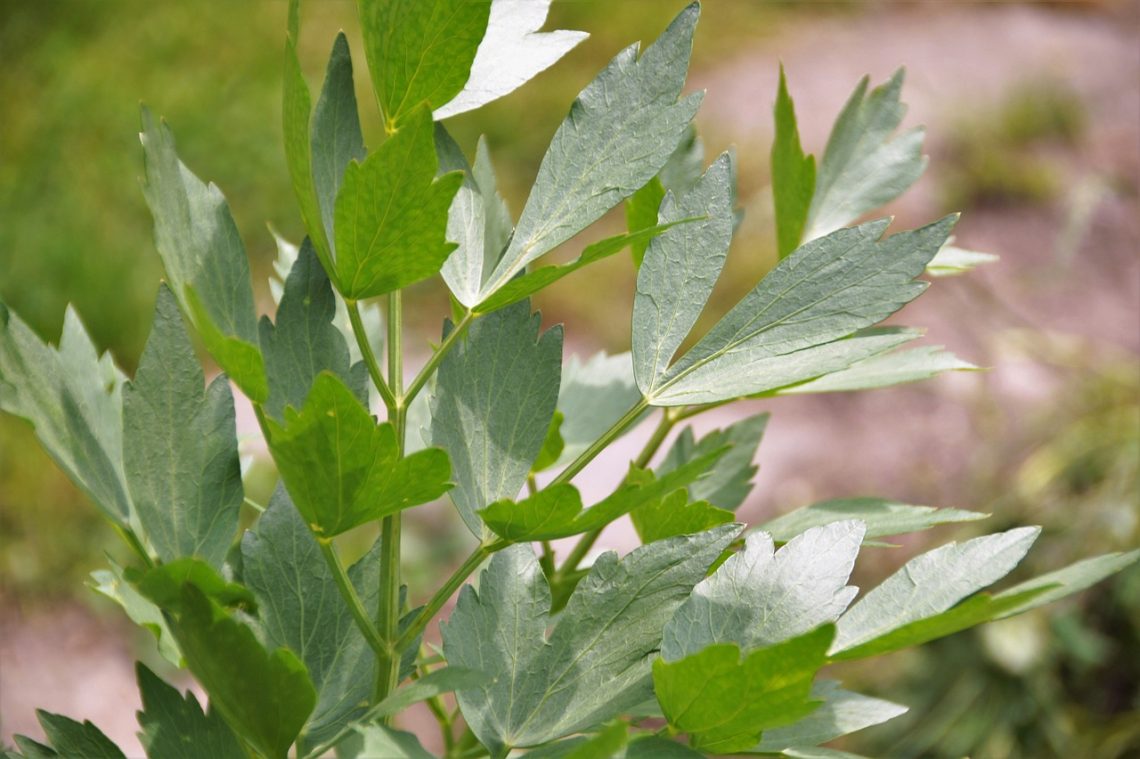
The leaves of the lovage plant resemble those of celery or parsley.
Fresh lovage leaves produce up to 1% essential oil, while the dried leaves have about half that amount. In terms of chemical components, the essential oil is mainly composed of phthalides (ligustilide, butylphthalide, sedanolide) with smaller amounts of carvacrol (also found in thyme and oregano), eugenol, and α-terpineol.
5 Benefits of Lovage
In addition to its culinary use, the medicinal uses of lovage are numerous, including:
1. Urinary Tract Infections
A urinary tract infection (UTI) can be defined as an infection in any part of the urinary system, which includes the kidneys, ureters, bladder, and urethra.
A scientific review of 17 clinical studies of a herbal medicine containing lovage (as well as rosemary) shows that lovage is an ingredient that can help combat bacteria and reduce inflammation in the urinary tract.
In a scientific article published in the World Journal of Urology, lovage is at the forefront of botanical medicines for the urinary tract. The article cites terpenoids and coumarins as major active compounds in lovage root (Levisticum officinale). It also states that clinically, it acts as a stronger diuretic than parsley and is approved by the German Commission E for use in lower urinary tract infections and urinary stones (urinary deposits or stones).
For urinary issues, a tea made with two to three grams of Levisticum officinale root and a cup of hot water is recommended, covered for 15-20 minutes, three times a day. Another option is a tincture, 0.52 ml three times a day.
2. Stomach Issues
Have you ever experienced dyspepsia? Also known as indigestion or an upset stomach, dyspepsia is an unpleasant and extremely common health issue. In traditional medicine, Levisticum officinale has been used for centuries to soothe the digestive tract, reducing pain, bloating, and gas. Some sources say the plant has traditionally been used to treat colic and gas in children.
3. Dysmenorrhea and Irregular Periods
For women, lovage may help with dysmenorrhea as well as irregular menstruation. According to traditional uses of the plant, it can act as an emmenagogue or agent that induces menstruation and regulates its flow. This can be very helpful in situations where menstrual cycles are delayed and irregular. Lovage can also alleviate pain associated with dysmenorrhea.
4. Loss of Appetite
Loss of appetite can be defined as the absence of hunger or when the desire to eat is reduced. If your appetite is not at its usual healthy level, then including lovage in your diet may help. Being a bitter herb, Levisticum officinale can help stimulate appetite while aiding digestion. In fact, experts include lovage on a list of herbs that have been used to stimulate appetite and/or treat stomach disorders. Other herbs on this list include catnip, cardamom, mugwort, and mint.
5. Bronchitis
The benefits of lovage are said to include its ability to help with respiratory conditions such as bronchitis. How? As a natural expectorant, it is a medicinal plant that can help loosen and eliminate phlegm from the respiratory system. When someone has bronchitis, the accumulation of phlegm and coughing are among the main symptoms, so the plant can be a useful and natural choice.
Another reason lovage may help with respiratory issues like bronchitis is that extracts from the Levisticum officinale plant naturally contain active components that fight bacteria, especially gram-negative bacteria. Gram-negative bacteria can cause respiratory infections, including certain types of pneumonia.
How to Use
Lovage is successfully used both in its fresh state (leaves, natural juice) and in infusion or as powder from the dried plant.
1. Lovage Poultice
A poultice (crushing fresh leaves) is used in cases of psoriasis and ulcers.
In the case of first and second-degree burns, crushed fresh lovage leaves are applied; they should be left to act for at least one hour.
2. Lovage Juice
For detoxification and blood purification, natural juice is consumed, obtained by blending the plant (a handful of fresh leaves blended with 100 ml of water, then filtered); drink 100-200 ml per day for two weeks.
Both the juice and the infusion help dissolve kidney stones and prevent their formation.
3. Lovage Infusion
The infusion is made as follows: put a teaspoon of lovage powder in a cup of hot water, let it steep for 10-15 minutes, then strain; consume 2-3 cups a day.
In treating cystitis, drink 3 cups a day of the infusion; this should be consumed two hours after meals.
The infusion lowers blood pressure and has a beneficial effect on cardiac edema.
Possible Side Effects
Lovage is generally considered safe for most people, especially when used in normal amounts. However, it may increase sensitivity to sunlight, especially with long-term use. It is not recommended for pregnant or breastfeeding women or anyone suffering from kidney problems.
Additionally, lovage may increase sodium levels in the body, leading to an increase in blood pressure. It is known to interact with diuretic medications, and this should be avoided.
Consult your doctor before using this medicinal plant if you are currently taking medications.




