Homocysteine is a specific type of amino acid that is created in the body during metabolic processes. It is produced as a byproduct of methylation, the process of producing an essential protein called methionine. In healthy individuals, homocysteine is converted into a benign product that maintains normal levels, but when homocysteine is not metabolized properly, it accumulates in the body and acts similarly to a toxin. This causes inflammation to increase and creates more byproducts that lead to changes in the cardiovascular, neurological, and endocrine systems.
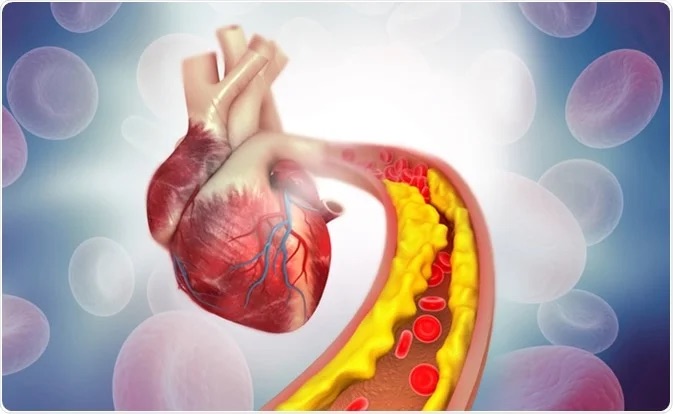
Elevated homocysteine is a common cause of arterial inflammation and is therefore linked to heart diseases. Heart disease is a leading cause of death, and some studies suggest that approximately 15% of all heart attacks and strokes may be related to high levels of homocysteine.
Since the 1960s, doctors have discovered that genetically inherited high levels of homocysteine were the cause of fatal heart problems in certain children, which encouraged researchers to investigate the links between elevated homocysteine and cardiovascular diseases in adults.
Disorders that cause abnormal levels of homocysteine can also contribute to a wide range of other health issues and symptoms such as vision loss, fatigue, depression, and skeletal anomalies in children. Although it is not always possible to cure abnormal levels of homocysteine, due to conditions typically caused by genetic inheritance, natural ways to help manage the symptoms they cause include an anti-inflammatory diet, stress reduction, supplements to address deficiencies, and staying active.
What is homocysteine?
As mentioned above, homocysteine is an amino acid that is normally not dangerous or unhealthy until it accumulates to high levels. Homocystinuria is the name of the condition characterized by high levels of homocysteine due to a lack of enzymes that normally metabolize homocysteine. This metabolic disorder is sometimes referred to as an enzymatic defect, which is usually genetic and passed from parents to their children.
Homocysteine levels are maintained by the presence of certain vitamins and the production of enzymatic cofactors. This is why deficiencies in vitamin B12, folate, and vitamin B6 can contribute to these issues.
Elevated homocysteine levels are observed in both children and adults. Children with homocystinuria typically inherit a specific type of genetic mutation in MTHFR that interferes with normal enzyme production and a process called methylation. Children may begin to develop symptoms from a young age, although sometimes adults with an unhealthy lifestyle are also diagnosed with high levels of homocysteine for the first time.
Symptoms of elevated homocysteine levels
Symptoms of elevated homocysteine levels can be mild or severe, depending on the types of enzymes and nutrients that are lacking. Most infants with homocystinuria are usually born normal and healthy until symptoms begin to appear around the age of 3. Some of the earliest signs of abnormal homocysteine levels may include changes in vision (due to lens dislocation) and postural problems (due to skeletal anomalies and gradual development of osteoporosis).
Many adults develop high homocysteine levels at a later age, often without even realizing it at the time. Although symptoms are not always present, here is a more solid list of common signs or complications caused by elevated homocysteine levels:
– Increased risk for heart problems, such as coronary artery disease, heart attacks, strokes, high blood pressure, and abnormal cholesterol levels—this is due to increased inflammation, sometimes caused by spontaneous blood clotting and also due to blockages in major arteries.
– Increased risk for Alzheimer’s disease, dementia, and other cognitive issues.
– In children, skeletal and developmental anomalies—these may include a curved spine or a protruding chest and rib cage.
– Elongated limbs and extremities—some patients appear very tall and thin, while others may have very long, thin fingers.
– Behavioral issues, including ADHD, autism, and other learning difficulties.
– Migraines and headaches.
– Mental anomalies—depression, anxiety, bipolar disorder, and other mental health issues are more common among individuals with elevated homocysteine levels.
– Those suffering from high homocysteine due to nutritional deficiencies may experience anemia, pain, slowed development, and congenital malformations.
Natural treatments for elevated homocysteine levels
1. Improve your diet
Your diet can have a significant impact on the severity and frequency of the symptoms you experience as a side effect of elevated homocysteine levels. If you consume a lot of animal products (especially those from factory farms) and processed foods, you are more likely to have elevated homocysteine levels.
Here are some tips:
Primarily eat organic, unprocessed foods.
High homocysteine levels not only increase inflammation but also hinder the body’s ability to detoxify from accumulated chemicals, heavy metals, and toxins. Since processed foods and those containing pesticides usually have many synthetic chemical ingredients, it is beneficial to avoid them as much as possible.
Consume more fiber
Fiber helps protect your arteries and heart, improves digestion, can help regulate your appetite, reduces overeating, and is even linked to better cognitive function.
Include more antioxidants in your diet
These include vitamin C from citrus fruits or leafy green vegetables, carotenoids from brightly colored vegetables, and vitamin E from foods like berries. Drinking fresh vegetable juice is an excellent way to increase your antioxidant intake each day.
Limit your alcohol and caffeine intake
Consume alcohol only in very small amounts, about one to two drinks per day or, ideally, less. Caffeine is also linked to higher homocysteine levels, so try to reduce or eliminate your consumption.
Reduce your intake of inflammatory foods
Avoid foods such as gluten, added sugars, preservatives, synthetic chemicals, processed meats, conventional dairy, refined vegetable oils, trans fats, and processed/enriched grains (which often include synthetic folic acid).
Increase your intake of probiotic foods
Probiotic foods are fermented and provide good bacteria that help control leaky gut syndrome and inflammation. Also, consume other gut-friendly foods, including bone broth, organic vegetables and fruits, flaxseeds, chia seeds, and fresh vegetable juices.
Focus on consuming healthy fats
Healthy fats include coconut oil or milk, olive oil, grass-fed meat, wild-caught fish, nuts, seeds, and avocado.
Include more natural folate, B vitamins, and zinc. We will discuss this further below.
2. Ensure sufficient folate (vitamin B9)
Many people do not get enough natural folate in their diet, which can contribute not only to increased homocysteine levels but also to issues such as digestive disorders, neurological decline, anemia, fatigue, skin rashes, and even congenital malformations in pregnant women.
Research has shown that by increasing your intake of natural or activated folate (not the same as synthetic folic acid), you can reduce the risk of problems related to elevated inflammation levels. Foods rich in folate include beans, legumes, broccoli, spinach, and leafy green vegetables, as well as organ meats like liver, poultry, and avocado.
Why is it better to obtain folate naturally rather than from synthetic sources? Synthetic folic acid is a chemically created B vitamin found in supplements and fortified foods (such as processed cereals or orange juice). Real folate is metabolized directly by the small intestine, but synthetic folic acid requires assistance from a specific enzyme called dihydrofolate reductase, which is usually present in the body only in small amounts.
Unmetabolized synthetic folic acid can remain in the bloodstream and may contribute to certain health issues, including cancer. On the other hand, a balanced diet with plenty of vegetables and plant-based foods may have the opposite effect—providing protection against diseases such as heart disease and depression.
3. Consume more vitamin B6 and vitamin B12
Many patients with elevated homocysteine levels experience improvements in symptoms when they consume more foods rich in B vitamins, especially vitamin B6 and B12. These help enhance metabolic functions, including methylation, and can reduce symptoms such as cognitive dysfunction and fatigue.
Focus on consuming sufficient quality protein foods, such as grass-fed meats, organ meats, nuts, beans, nutritional yeast, and raw/fermented dairy products. These sources also provide zinc and other amino acids, which further aid in methylation.
4. Protect your heart
Individuals with metabolic disorders that affect homocysteine levels and contribute to inflammation and plaque formation have an increased risk of developing coronary artery disease (also known as atherosclerosis) and other disorders. For this reason, it is essential to address risk factors for heart disease, including smoking, obesity, a sedentary lifestyle, diabetes, and a poor diet that increases inflammation. Focus on a healthy diet, especially one rich in fiber, engage in regular exercise, and maintain a healthy weight.
5. Exercise regularly into older age
Regular physical activity helps alleviate problems caused by elevated homocysteine levels by improving immune function, hormonal balance, stress levels, sleep quality, body weight control, and inflammation. Find a form of exercise that you enjoy and can maintain, whether it’s weightlifting, dancing, yoga, running, cycling, or swimming.
6. Get enough rest and manage stress
The same health conditions and lifestyle habits that raise homocysteine levels can lead to increased anxiety, insomnia, fatigue, and depression. One reason this is true is due to the effects that enzymatic defects and nutrient deficiencies have on neurotransmitter and hormone levels—such as serotonin, testosterone, and estrogen. These hormones govern things like sleep, sexual appetite, motivation, and energy levels. All of these issues are exacerbated by high levels of daily stress.
Tips for coping with these mood-related conditions include:
– Natural remedies for stress relief, including physical exercise, meditation, journaling, spending time outdoors, volunteering, prayer, etc.
– Using essential oils for anxiety or stress, including lavender, chamomile, bergamot, sage, and rose.
– Eliminating recreational drug use and reducing alcohol consumption, which can worsen symptoms by interfering with methylation.
– Improving sleep quality (7 to 9 hours per night) by practicing a relaxing bedtime routine, avoiding electronic devices, and reading something calming.




