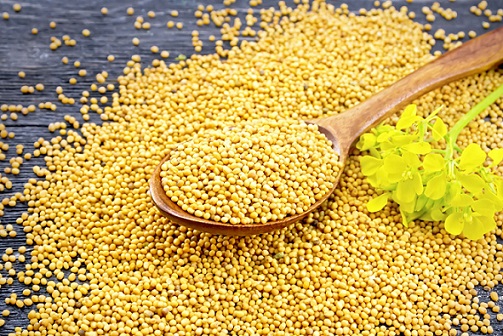
The health benefits of mustard seeds include relieving muscle pain, promoting healing, treating dermatitis, and respiratory disorders. Different parts of the mustard plant have been shown to be beneficial in alleviating cancer, diabetes, and detoxifying the body. They exert therapeutic effects on the nerves and help maintain heart health.
For thousands of years, this plant has been cultivated in North Africa, Asia, and Europe, and it was popular among ancient Greeks and Romans.
The mustard plant offers a wide range of useful components through its various edible parts. Its seeds are rich in minerals such as calcium, magnesium, phosphorus, and potassium. They are a good source of folate, vitamins A, C, K, and folic acid.
Mustard seeds contain generous amounts of phytonutrients that can prove valuable against various types of cancer (such as bladder, colon, or cervical cancer). Various studies have suggested that the anticancer effects of these components found in mustard seeds inhibit the growth of cancer cells and even protect against the formation of such malignant cells.
Research studies have validated their effectiveness in treating inflammation and lesions associated with psoriasis.
Studies have shown that mustard seeds help in healing symptoms associated with dermatitis, such as healing tissues and reducing ear swelling.
Mustard seeds have also been evaluated in treating sinus issues and chronic bronchitis.
The antibacterial properties of mustard seeds have proven effective in healing wounds. Applying a paste made from these seeds to clean skin helps soothe symptoms. It aids in speeding up the healing process by stimulating impulses and has a revitalizing effect on the nerves.
Seeds roasted in sesame or coconut oil are an effective remedy for acne and promote clearer skin.
Mustard leaves are excellent for diabetics. Studies have demonstrated antioxidant activities that help neutralize the effects of free oxygen molecules and protect against damage caused by oxidative stress in diabetics.
Mustard seeds contribute to reducing the development of blockages in arteries and preventing disorders such as atherosclerosis. The vitamin B6 content prevents the formation of platelets and reduces the risk of thrombosis.
The sugars in mustard seeds can prove valuable for women in the menopausal phase. Magnesium, along with calcium, prevents bone loss associated with menopause. It helps replenish low magnesium levels and contributes to reducing the risk of osteoporosis.
Glucosinolates present in mustard seeds help regulate the action of detoxifying enzymes and aid in eliminating harmful toxins from the body.




