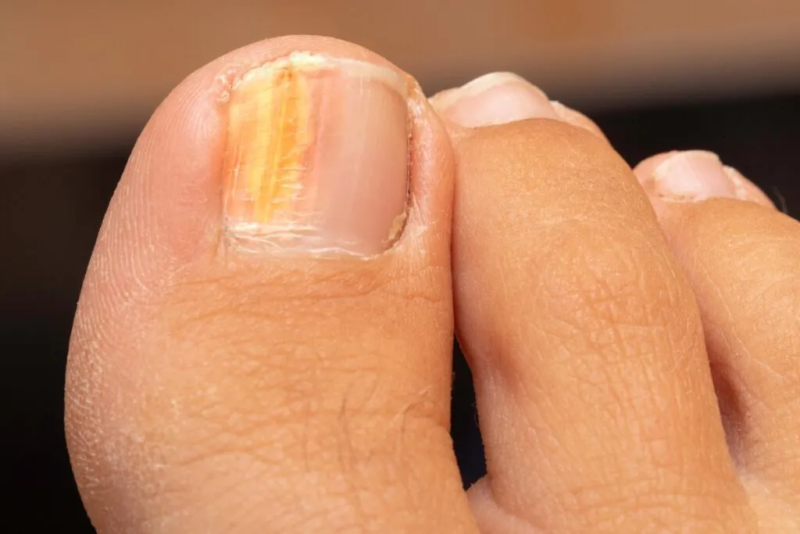
Nail fungus, medically known as onychomycosis, is an infection caused by fungi that affects the structure of the toenails or fingernails. It manifests as thickening, discoloration (yellow or brown), brittleness, peeling, or deformation of the nail. If left untreated, the infection can spread deeply and may lead to nail loss and painful complications, especially in individuals with diabetes or poor peripheral circulation.
Fortunately, nature offers multiple solutions, proven by studies, that can help stop the fungus and gradually regenerate the nail without the side effects of aggressive treatments.
Natural Remedies for Nail Fungus
1. Tea Tree Oil – A Powerful Antifungal
This essential oil has remarkable antifungal and antibacterial properties. It contains terpinen-4-ol, a compound that inhibits the growth of fungi. Apply it directly to the nail twice a day using a cotton swab or a clean brush.
How It Works:
Terpinen-4-ol penetrates the nail and destroys the membranes of fungal cells. Over time, it eliminates the cause of the infection and helps regenerate the tissue. Studies show it can be as effective as some topical medications when used consistently.
Study:
A study published in the Journal of Family Practice analyzed patients with onychomycosis. After 6 months of daily application of tea tree oil, 60% showed significant improvements, and 18% achieved complete healing.
2. Apple Cider Vinegar and Baking Soda
This combination alters the local pH and creates an environment hostile to fungi. Vinegar acts as an antifungal, while baking soda reduces acidity, preventing recurrence.
Recipe:
- 1 cup of apple cider vinegar + 1 liter of warm water
- Soak your feet for 15-20 minutes.
- Then apply a paste of baking soda and water to the nails, leave for 10 minutes, and rinse.
How It Works:
Vinegar destroys the fungal biofilm, while baking soda prevents the proliferation of colonies. Used daily for 3-6 weeks, this treatment can yield visible results.
3. Crushed Garlic – A Natural Antifungal with Allicin
Garlic contains allicin, a compound that has antifungal and antibacterial effects. It can be applied locally as a paste or taken internally to support immunity.
Local Application:
- Crush 2 cloves of garlic, apply to the nail, cover with gauze for 30 minutes, then rinse.
- Repeat daily for at least 2 weeks.
Study:
A study in the Journal of Antimicrobial Chemotherapy showed that garlic extract has effects comparable to ketoconazole against fungi of the genus Trichophyton, the main cause of onychomycosis.
4. Oregano Oil (Origanum vulgare)
It contains carvacrol and thymol, two substances with extremely strong antifungal effects. It is especially effective in resistant cases.
Application:
- Mix 2 drops of oregano oil with 1 tablespoon of coconut oil and apply twice a day to the nail.
Contraindications:
Do not apply undiluted, as it may cause irritation. Not recommended during pregnancy.
5. Cold-Pressed Coconut Oil
The fatty acids in coconut oil (especially lauric acid) have antifungal effects and help regenerate the skin around the nail. Apply daily in a thin layer and massage until absorbed into the skin.
6. Propolis Tincture
Propolis has proven antifungal effects and is successfully used in alternative treatments for skin infections. Apply 12 drops to a clean nail, twice a day.
Study:
In a Brazilian study, 75% of patients treated with propolis tincture (applied daily for 6 months) achieved complete remission of nail fungus. Its effectiveness against Candida albicans, Trichophyton rubrum, and Aspergillus was demonstrated.
7. Colloidal Silver – A Broad-Spectrum Treatment
It has universal antimicrobial effects, acting by destroying the cell walls of fungi. Apply 2-3 drops daily to the nail and allow to dry. It can also be used internally, according to a specialist’s recommendations.
Additional Tips:
- Keep your nails short and disinfect frequently.
- Avoid tight shoes and excessive moisture.
- Use cotton socks, changing them daily.
- Avoid walking barefoot in public pools or locker rooms.
Contraindications
- Essential oils should not be used on children under 3 years old.
- Individuals with allergies should test treatments on a small area.
- In the case of diabetes, consult a doctor before starting any local treatment.
- If the infection is severe or spreading rapidly, it is recommended to combine with medical antifungal treatment.
Sources:
- Journal of Family Practice – Topical tea tree oil effective against onychomycosis
- Journal of Antimicrobial Chemotherapy – The antifungal activity of garlic extract
- Brazilian Journal of Microbiology – Propolis as an alternative treatment for onychomycosis




