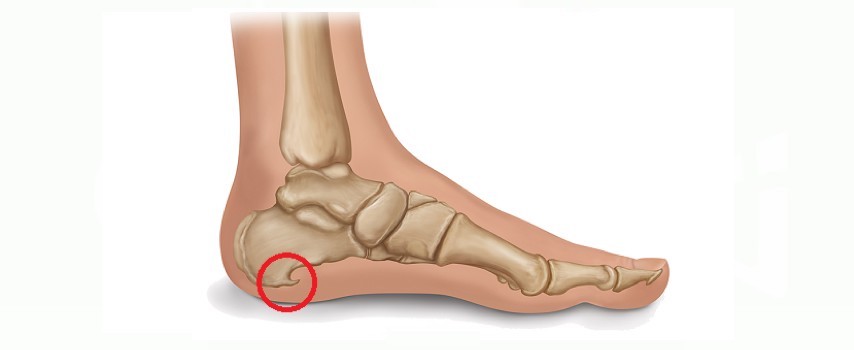
Heel spur, commonly known as a spur on the foot or heel spur, is a bony growth that forms at the base of the heel, often causing intense pain, especially in the morning or while walking. While medical treatment may include physical therapy or even surgical intervention, numerous natural remedies can alleviate inflammation and support tissue regeneration.
Effective Natural Remedies for Heel Spurs
1. Cabbage Leaf Poultices
Cabbage leaves have natural anti-inflammatory properties and have traditionally been used for joint pain and inflammation.
Application method:
-
Take a large cabbage leaf and gently crush it with a rolling pin until it starts to release juice.
-
Apply it to the affected area, secure it with gauze, and leave it overnight.
-
Repeat the treatment for 7-10 consecutive nights.
Studies confirm the soothing effect of Brassica oleracea extracts on pain and inflammation.
2. Foot Baths with Epsom Salt (Magnesium Sulfate)
Epsom salt relaxes the muscles, reduces inflammation, and alleviates pain.
Recipe:
-
2 tablespoons of Epsom salt in 2 liters of warm water.
-
Soak your feet for 15-20 minutes daily in the evening.
These baths reduce the tension in the plantar fascia, the main cause of pain associated with heel spurs.
3. Comfrey Tincture for Rubbing
Comfrey is known for its bone regeneration effects and pain-relieving properties.
Preparation method:
-
50 g of crushed comfrey root
-
Macere in 250 ml of 70% alcohol for 14 days
-
Filter and store in a dark glass bottle.
Usage: Apply to the affected heel with a gentle massage, twice a day.
Do not use internally!
4. Comfrey Ointment
This plant is extremely effective for joint and bone pain.
Ointment recipe:
-
3 tablespoons of grated comfrey root
-
Gently boil in 200 ml of olive oil for 15 minutes
-
Strain and add 1 tablespoon of beeswax
-
Store in a small jar in the refrigerator
Usage: Apply locally in the evening, massaging the area well.
5. Compresses with Apple Cider Vinegar and Baking Soda
This combination can reduce calcifications and has anti-inflammatory effects.
Application method:
-
Mix 1 tablespoon of apple cider vinegar with 1 tablespoon of baking soda
-
Apply the resulting paste to a compress
-
Leave on the heel for 30 minutes
Repeat daily for 7 days, with a break of 2-3 days, then resume.
6. Ointment from Pine Resin and Propolis
Pine resin helps in tissue regeneration, while propolis combats inflammation.
Recipe:
-
1 tablespoon of melted pine resin
-
1 tablespoon of coconut oil
-
1 tablespoon of crushed propolis
-
Gently heat and homogenize
-
Store in a cool place and apply daily in the evening
Benefits
-
Pain Relief: Most remedies act anti-inflammatory, reducing inflammation of the plantar fascia and the tissue directly affected by heel spurs.
-
Stimulation of Local Circulation: Warm poultices and massage with tinctures/ointments improve tissue oxygenation.
-
Resorption of Calcifications: Acidic compresses (vinegar, comfrey) can help reduce calcium deposits.
-
Tissue Regeneration: Plants like comfrey and pine resin stimulate cellular repair in painful areas.
Important Contraindications
-
Comfrey should NOT be taken internally as it is toxic to the liver!
-
Comfrey may cause skin irritation; test on a small area first.
-
Avoid acidic compresses on cracked or injured skin.
-
If pain persists or worsens, it is necessary to consult an orthopedic doctor.
Sources:
-
National Library of Medicine – Anti-inflammatory activity of cabbage leaf extract
-
HerbalGram – Comfrey (Symphytum officinale) Monograph
-
Journal of Inflammation Research – Magnesium sulfate and pain management
-
Fitoterapia – Topical anti-inflammatory effect of resin-based ointments




