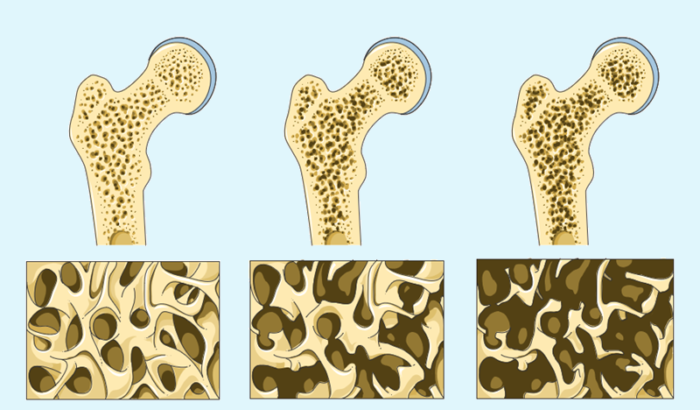
Osteoporosis is a silent disease characterized by decreased bone density and an increased risk of fractures. While conventional treatments remain important, more and more research supports the effectiveness of natural remedies, especially teas and tinctures, in supporting bone health.
What Recent Research Says
A study published in Journal of Ethnopharmacology (2022) shows that plants rich in phytoestrogens, antioxidants, and minerals can play a significant role in preventing bone loss, especially in postmenopausal women.
For example, Chinese researchers demonstrated that horsetail tea and red clover tincture have beneficial effects on bone mineral density in ovariectomized rats, an experimental model for osteoporosis in women.
Additionally, a review conducted by the University of Vienna in 2023 highlighted the effectiveness of nettle extract and Indian ginseng (ashwagandha) in stimulating osteoblasts, the cells responsible for forming bone tissue.
Effective Plants for Supporting Bone Health
1. Horsetail (Equisetum arvense)
Composition: organic silicon, flavonoids, potassium, calcium.
Effect: Silicon helps in calcium fixation in bones and stimulates collagen synthesis, essential for bone elasticity and strength.
Tea Recipe:
- 1 tablespoon of dried plant per 250 ml of water
- Boil for 5 minutes and let steep for another 10
- Drink 1-2 cups per day, in courses of 3 weeks
Contraindications: Not recommended in cases of renal insufficiency or for individuals taking diuretics.
2. Red Clover (Trifolium pratense)
Composition: isoflavones (phytoestrogens), calcium, magnesium, vitamin K.
Effect: Mimics the action of estrogen, a hormone involved in maintaining bone mass.
Tincture:
- 50 g dried flowers + 250 ml of 40% alcohol
- Let macerate for 14 days, then filter
- Take 30 drops twice a day, diluted in water
Contraindications: Individuals with hormone-sensitive conditions (e.g., breast cancer) or those on anticoagulant treatment.
3. Nettle (Urtica dioica)
Composition: silicon, iron, calcium, vitamins K and C.
Effect: Promotes bone mineralization and collagen synthesis.
Preparation Method:
- 1 tablespoon of dried leaves per 300 ml of water
- Steep for 10 minutes
- Consume 2 cups/day
Contraindications: High blood pressure or anticoagulant treatments.
4. Ashwagandha (Withania somnifera)
Composition: withanolides, alkaloids, flavonoids.
Effect: Stimulates osteoblastogenesis and reduces oxidative stress.
Administration Method:
- Tincture is prepared from 100 g of dried root in 500 ml of 50% alcohol
- Take 20 drops three times a day
Contraindications: Pregnant women or individuals with thyroid issues.
Specialists’ Statements
Dr. Ioana Mrginean, herbal medicine physician:
Natural treatments do not replace allopathic therapies, but in mild cases or for prevention, well-dosed teas and tinctures, under guidance, can provide real support for patients.
Prof. Dr. Klaus Werner, endocrinologist, Germany:
Phytoestrogens from red clover have proven effective in maintaining hormonal balance in postmenopausal women, with indirect beneficial effects on bone health.
Usage Recommendations
- Teas should be consumed in courses of 3-4 weeks, followed by breaks of 1 week.
- Tinctures should be administered cautiously, preferably upon the recommendation of a herbalist or physician.
- Combining with vitamin D3 and calcium supplements can enhance the effects of the plants.
Important Precautions
- Natural remedies may interact with osteoporosis medications (e.g., bisphosphonates, anticoagulants).
- It is advisable for natural treatment to be integrated into a general bone support plan: balanced diet, sun exposure, physical exercise.
- Do not administer without medical advice in cases of chronic diseases, pregnancy, or for children.




