Historical research shows that people have been using natural hair gels since ancient Egyptian and Greco-Roman times. However, conventional hair gel was produced in the 1960s by Luis Montoya in the USA and sold under the brand name DEP, which represents the main ingredient of the product, diethyl phthalate, giving it its distinct non-sticky texture. Regular gels are primarily composed of cationic polymers, which have positive charges and give the gel rigidity, allowing it to adhere to hair strands and maintain its place for long periods.
On the other hand, hair gels are considered to have negative consequences for hair, scalp, and body due to the presence of toxic chemicals. The following are some of the negative consequences of hair gel:
Negative Effects of Hair Gel
1. Dryness and Dehydration of Hair:
Hair gels contain alcohol and corrosive chemicals that strip moisture from hair and scalp, leading to dryness. These gels affect moisture levels and reduce sebum production, resulting in dry, brittle hair that is prone to breakage, leading to hair loss and scalp flaking.
2. Hair Loss:
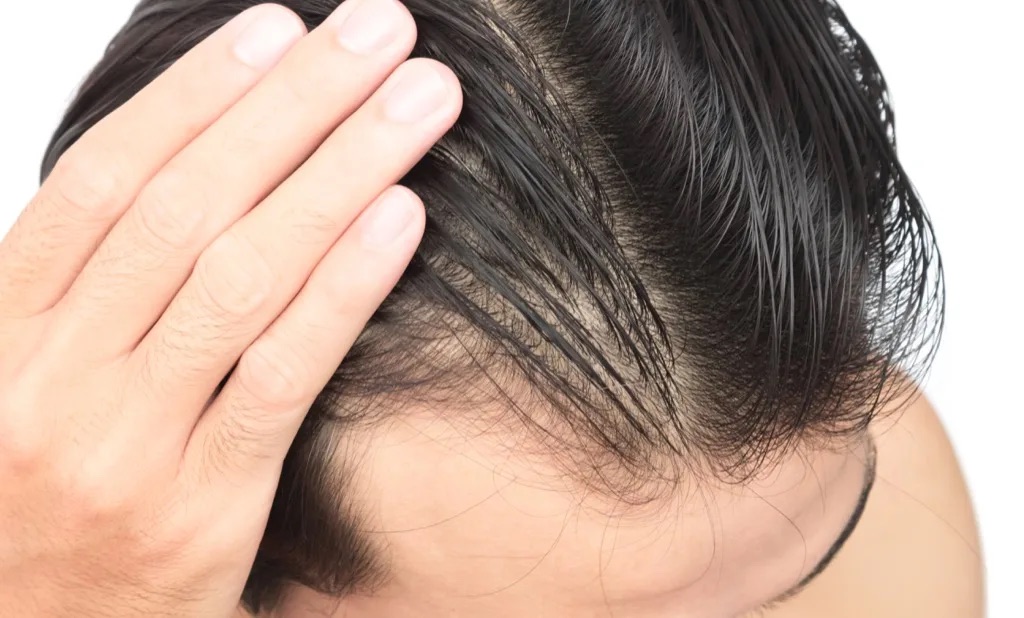
These gels dehydrate the hair and scalp, making hair susceptible to breakage and loss. The chemical compounds present in these gels, combined with external pollutants, react with the accumulation of dead skin cells. This blocks hair follicles and ultimately causes hair loss.
3. Dandruff:
A dehydrated and flaky scalp is characterized by irritation, itching, and dandruff. Improper sebum production, clogged skin pores, and unhealthy hair follicles weaken hair roots, all contributing to and exacerbating dandruff, seborrheic dermatitis, or scalp inflammation, which can lead to other skin conditions, such as acne.
4. Discoloration and Damage:
Damage, split ends, dullness, and discoloration of hair are also common side effects of using hair gels. These gels strip the hair of its nourishing content and moisture, disrupting the hair’s pH balance. The harmful chemicals in these gels have detrimental effects on dyed or bleached hair, and prolonged use of these gels can lead to premature graying.