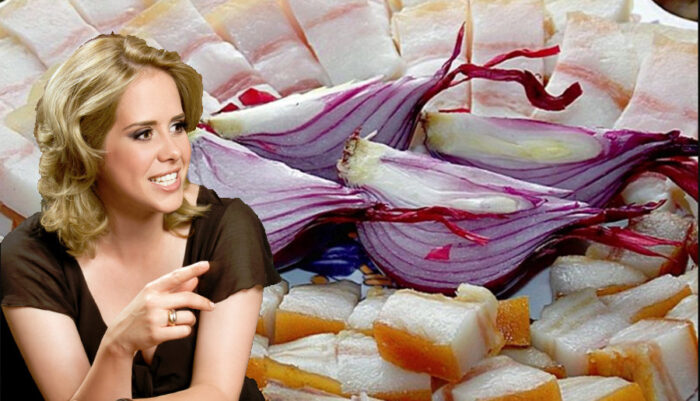
Pork lard is often considered a dangerous food, especially for those dealing with cholesterol issues. However, nutritionist Mihaela Bilic offers a different perspective, debunking this myth and explaining the health benefits it can provide.
Pork Lard is Closer to Salmon and Olive Oil Than You Think!
Mihaela Bilic wrote on her Facebook page that pork lard, especially that from the Mangalia pig, is surprisingly healthy due to its fatty acid content. The Mangalia pig is the “salmon with legs,” says Mihaela Bilic.
She explained that pork lard contains more unsaturated fats (mono- and polyunsaturated) than saturated fats. In this sense, lard is closer to olive oil and salmon, being considered a source of healthy fat.
Why is Pork Lard Good?
Supports the immune system: Pork lard is rich in arachidonic acid, which helps strengthen the immune system and protect the body.
Lowers cholesterol: Studies suggest that lard can contribute to lowering cholesterol, making it beneficial for health.
Benefits for the heart and circulation: The fats in lard are beneficial for the heart, strengthening the cardiac muscle and maintaining healthy blood circulation.
Helps with hangovers: Lard helps slow the rapid absorption of alcohol, protecting the stomach and preventing intoxication.
Treatment for joint pain: Rubbing painful joints with melted lard or old lard mixed with honey can help alleviate joint pain.
How to Use Lard for Joint Pain?
To treat joint pain, it is recommended to apply a paste made from old lard (finely chopped) mixed with a spoonful of honey. This should be applied to the painful areas, covered with plastic wrap or parchment paper, and then wrapped with a scarf. Leave it on overnight.
Pork lard, when consumed in moderation, can be a source of healthy fats and can bring numerous benefits to our health. Therefore, do not avoid it out of fear, but include it in your diet in appropriate quantities!




