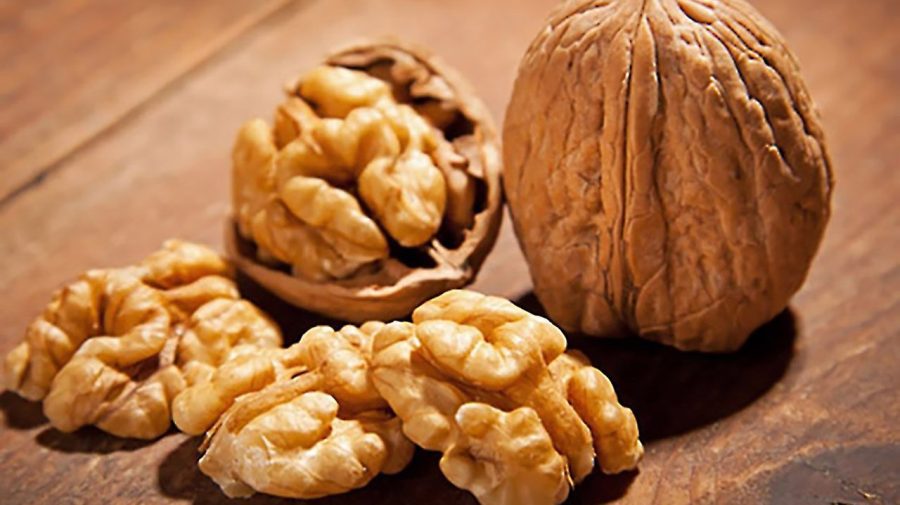
The first harvests of oilseeds were consumed in walnut forests in the mountains of Central Asia over 7,000 years ago. Many types of oilseeds were then traded along the Silk Road, from where they spread to distant regions through caravans.
Today, in markets around the world, you can find an extraordinary variety of oilseeds: walnuts, almonds, pecans, macadamia nuts, pine nuts, pistachios, etc. Oilseeds, as noted by Dr. William W. Li in the study “Eat to Beat Disease” (Lifestyle Publishing, 2024), contain a treasure of compounds that combat fat and promote health, and epidemiological studies have shown that their consumption is associated with a lower risk of cancer, cardiovascular diseases, diabetes, and obesity. A significant portion of these benefits is likely due to the effect of the fibers in nuts on the microbiome: they reduce inflammation, strengthen immunity, and optimize metabolism.
Studies and Research
Additionally, oilseeds are excellent sources of protein, provide energy, and contain beneficial fats. The fat in a walnut is a beneficial polyunsaturated fatty acid called alpha-linolenic acid, which the body converts into omega-3 fats. Nuts can also help with weight loss. In detail, researchers from the University of Wollongong (Australia) conducted a 12-month clinical study involving 175 subjects (divided into three groups), mostly obese women under 40. Group 1 was supervised by an assistant who provided only general dietary advice based on the Australian Dietary Guidelines, which emphasize fruits, vegetables, whole grains, seafood, lean meats, and fewer dairy products.
Results
Furthermore, Groups 2 and 3 received highly personalized recommendations from a dietitian based on physical activity goals established in the National Physical Activity Guidelines for Australia. Participants in both groups also had a certified health guide who met with them every three months. The only difference: Group 3 received an additional quarter cup of nuts (30 g) daily, which represents about eight whole nuts. This group also received suggestions for various ways to incorporate nuts into their diet to keep meals varied and interesting. Body weight was measured at the beginning of the study, after three months, and at the end of the year. The study results showed that everyone lost weight with the dietary guidance. However, significantly, after three months, nut consumers in Group 3 lost 2.4 kg, a weight loss that was 23% greater than the personalized recommendations (Group 2) and 54% more than the general healthy eating advice (Group 1).
Reduces Sweet Cravings
Nut consumers, as Dr. Li noted, tended to eat more fruits and vegetables than the other two groups. They also consumed fewer unhealthy snack foods that were high in salt, saturated fats, or added sugars. It is a challenge to ask people to eat eight nuts a day for an entire year. The subjects of this study adhered strictly to the requirement in the first three months, which led to the weight loss described above. However, after 12 months, only 32% of the subjects in Group 3 continued to follow the nut-based intervention, so the weight loss benefits were no longer observed by the end of the year.
Tips and Recommendations
A few tips: When buying oilseeds, make sure you know what you are getting. Always read the ingredient label. Ideally, nuts should not contain artificial additives that could affect metabolism or health defense mechanisms. Whether you consume them as a snack, use them in cooking, or eat them in a mix, it is best to store them in an airtight container in a dark, cool place. This way, they will last about six months. After that, oilseeds can become rancid due to their high unsaturated fat content. Keeping them in a dark jar in the refrigerator will extend their shelf life by about two months, and freezing them will keep them edible for about a year. A final note: avoid oilseeds that have added sugar or have been coated with artificial flavors and colors.
The fibers in nuts reduce inflammation, strengthen immunity, and optimize metabolism, Dr. William W. Li
The fat in a walnut is a beneficial polyunsaturated fatty acid called alpha-linolenic acid, which the body converts into omega-3 fats, Dr. William W. Li




