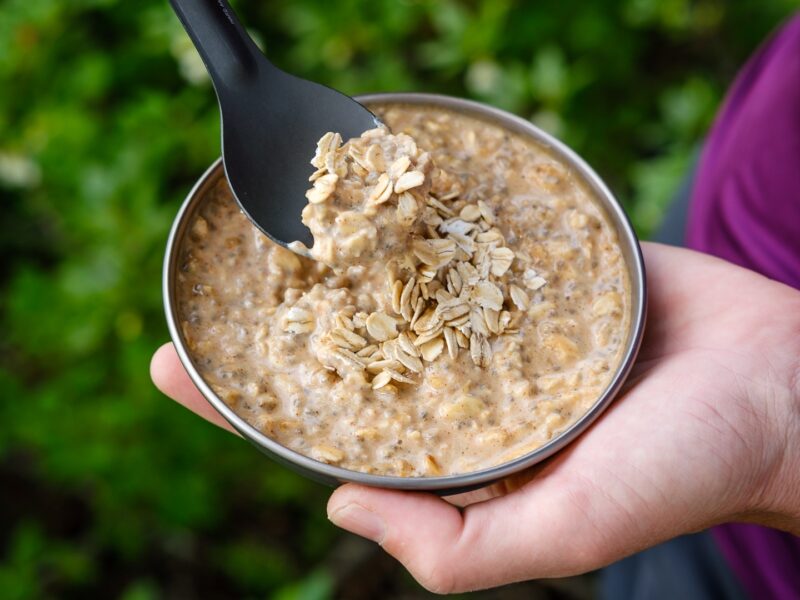
Oats have long been considered a humble food, but in recent decades, they have regained their reputation as a true superfood. More and more doctors and nutritionists recommend periodic oat cures for balancing cholesterol levels and providing a constant source of energy. Rich in beta-glucans, B vitamins, iron, magnesium, and fiber, oats are a treasure overlooked by many.
Benefits of Oats
1. Lowers bad cholesterol (LDL) without affecting good cholesterol (HDL)
The beta-glucans in oats form a gel in the digestive tract, which binds bile acids and helps eliminate them from the body. The liver then uses cholesterol from the blood to produce new bile acids, which reduces total cholesterol levels. Studies have shown that just 3 grams of beta-glucans per day (approximately one serving of oats) can lower cholesterol by up to 10%. Unlike lipid-lowering medications, oats do not affect good cholesterol (HDL), thus maintaining lipid balance. Cures of 4-6 weeks with oatmeal or oat water can have remarkable effects, especially in individuals at cardiovascular risk.
2. Provides stable energy throughout the day
Oats have a low glycemic index and release glucose slowly into the bloodstream. This prevents sharp fluctuations in blood sugar, providing a constant feeling of energy and satiety. They are ideal for those suffering from reactive hypoglycemia or for individuals with type 2 diabetes. Unlike refined cereals or sweets, oats do not cause energy crashes. Regular consumption in the morning, in the form of porridge or smoothies, can reduce the need for unhealthy snacks and improve concentration and intellectual performance. This energy stability makes them a reliable ally for athletes.
3. Regulates intestinal transit and supports colon health
The soluble and insoluble fibers in oats stimulate regular intestinal microflora. Oats prevent chronic constipation and reduce inflammation in the colon. Additionally, beta-glucans act as prebiotics, nourishing the good bacteria in the gut, promoting a balanced microbiome. Optimal transit contributes not only to digestive health but also to immunity, vitamin absorption, and the prevention of chronic diseases. Oat cures can also be beneficial in cases of irritable bowel syndrome, especially in forms with predominant constipation. Regular morning consumption naturally normalizes transit.
4. Supports nervous system health and combats chronic fatigue
Oats are a valuable source of B vitamins, magnesium, and iron—all essential nutrients for the optimal functioning of the nervous system. Deficiencies in magnesium and vitamin B1 can lead to irritability, anxiety, mild depression, and insomnia. Regular consumption of oats helps maintain balanced mental tone, promoting serotonin secretion. Individuals suffering from chronic exhaustion, burnout, or sleep disorders can significantly benefit from an oat cure. Oat porridge with plant-based milk and flaxseeds is an excellent option for dinner in such cases.
5. Aids in weight loss and reduces sweet cravings
The fiber in oats induces long-lasting satiety and reduces insulin secretion. Thus, the body more easily enters a fat-burning state and no longer feels the constant need to snack. Additionally, consuming oats in the morning reduces ghrelin levels (the hunger hormone). Oats can be incorporated into various breakfast recipes, desserts without sugar, or smoothies. By reducing inflammation and improving insulin sensitivity, oats also support a healthy metabolism. Added to a balanced diet, they can support gradual weight loss without adverse effects.
Simple Recipes for Oat Cures
1. Oat Water (for cholesterol and detoxification)
- 2 tablespoons of whole oats
- 500 ml of boiled water
- Let it infuse for 8 hours (or overnight), then strain.
- Consume in the morning on an empty stomach for 24 weeks.
2. Classic Oat Porridge
- 3 tablespoons of oat flakes
- 250 ml of water or plant-based milk
- Boil for 10 minutes, then add toppings like nuts, flaxseeds, and slices of fruit.
- Ideal for breakfast, providing energy and satiety.
3. Oat Smoothie
- 2 tablespoons of oat flakes
- 1 banana
- 1 tablespoon of chia seeds
- 250 ml of plant-based milk
- Blend everything for a nourishing and balancing snack.
Contraindications and Precautions
- Individuals with celiac disease should choose gluten-free certified oats.
- Excessive consumption (over 100 g/day) may cause bloating initially.
- Not recommended in strict ketogenic diets.
- In cases of severe intestinal inflammation (e.g., active ulcerative colitis), it is recommended to consume pureed oats or very liquid porridge.
- Pregnant women can consume oats, but in moderate amounts and without refined additives.
Studies and Research
Study 1: Oat beta-glucan reduces LDL cholesterol, published in American Journal of Clinical Nutrition
This study involved 66 individuals with high cholesterol levels and analyzed the effect of daily oat consumption for 6 weeks. Participants received servings containing 3-5 g of beta-glucans. The results showed an average reduction in LDL cholesterol of 8-10%, without a decrease in HDL. Researchers concluded that oats can successfully replace mild treatments in cases of mild to moderate hypercholesterolemia. The mechanism explained in the study showed that beta-glucans stimulate cholesterol elimination through bile, prompting the liver to extract more cholesterol from the blood. Additionally, the gel formed by fibers in the intestine reduces the absorption of saturated fats. The study was well-controlled and randomized, with statistically significant results.
Study 2: Oatmeal increases satiety and reduces hunger, published in Journal of the American College of Nutrition
The research followed participants who consumed either oats or processed cereals for breakfast over 3 weeks. Those who consumed oats reported a significant decrease in hunger sensation in the first 4 hours after the meal. Ghrelin levels were reduced by 23% compared to the control group. The authors observed that oats have a superior effect on appetite control due to the gel formed by soluble fibers. This may have direct implications for weight control and obesity prevention. Furthermore, it was also associated with improved overall mood and concentration ability.
Sources:
- American Journal of Clinical Nutrition – Oat beta-glucan reduces LDL cholesterol
- Journal of the American College of Nutrition – Oatmeal increases satiety and reduces hunger




