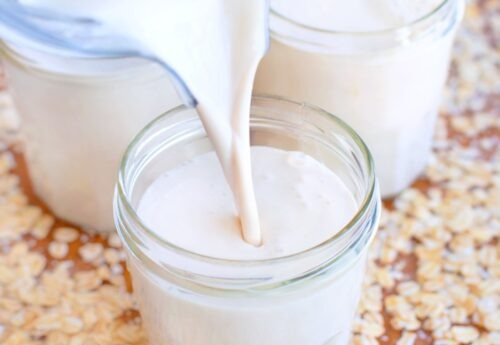
Oat milk has become one of the most popular alternatives to cow’s milk, thanks to its pleasant taste, creamy texture, and valuable nutritional profile. Easy to prepare at home, this plant-based milk is recommended by renowned nutritionists, including Dr. Josh Axe, who considers it an excellent choice for those looking to maintain their intestinal and cardiovascular health.
Simple Ingredients, Correct Preparation
To obtain a healthy oat milk without mucilage or gelatinous texture, it is essential to follow these key steps:
Ingredients:
- 1 cup of whole rolled oats (unprocessed)
- 3-4 cups of filtered water
- optional: 1 date or 1 tablespoon of honey for sweetness
- optional: 1 tablespoon of natural vanilla extract
- a pinch of Himalayan salt (for balance)
Preparation Method:
- Rinse the rolled oats under cold water for 30 seconds until the water runs clear. This step reduces the slimy texture.
- Place the rinsed oats and water in a high-speed blender. Add the optional date, vanilla, or salt.
- Blend for 30-45 seconds. Do not blend longer, as excessive blending can make the milk gelatinous.
- Strain the liquid through a nut milk bag or fine cheesecloth, without excessively squeezing the pulp.
- Pour into a glass bottle and store in the refrigerator for up to 4 days. Shake before each use.
Tip: Do not blend the oat milk too vigorously, as the texture may change. It is better to use it at room temperature or in cold drinks.
Why Does Dr. Josh Axe Recommend It?
Dr. Josh Axe, a renowned doctor in functional medicine and author of several nutrition books, advocates for the consumption of oat milk due to its multiple health benefits, provided it is prepared correctly and without industrial additives.
On his official site, Dr. Axe states:
Oat milk is rich in soluble fiber and compounds that support the gut microbiome, making it a superior alternative to many types of processed plant milk.
Additionally, he points out that store-bought versions may contain:
- industrial oils (responsible for inflammation)
- added sugars
- stabilizing additives (which can irritate the gut)
Dr. Axe recommends the homemade version, free from oils or xanthan gum, to benefit from:
- beta-glucans (soluble fibers that lower cholesterol)
- nutrients such as manganese, magnesium, and B vitamins
- a lower glycemic impact compared to sweetened plant juices
Contraindications and Precautions
Oat milk is generally well-tolerated. However:
- It is not recommended in cases of gluten intolerance, unless the oats are certified gluten-free (they may be contaminated with wheat).
- It is not advisable for diabetics if sweetened.
- It may contain anti-nutrients, such as phytic acid, which can reduce mineral absorption if not soaked.
- Possible interactions with low-carb diets due to its higher carbohydrate content.
Homemade oat milk, when prepared correctly, is a nutritious, tasty, and sustainable option. Supported by nutritionists like Dr. Josh Axe, it can become an ally in supporting digestion and cardiovascular health, with one condition: it must be natural, without unnecessary additives.




