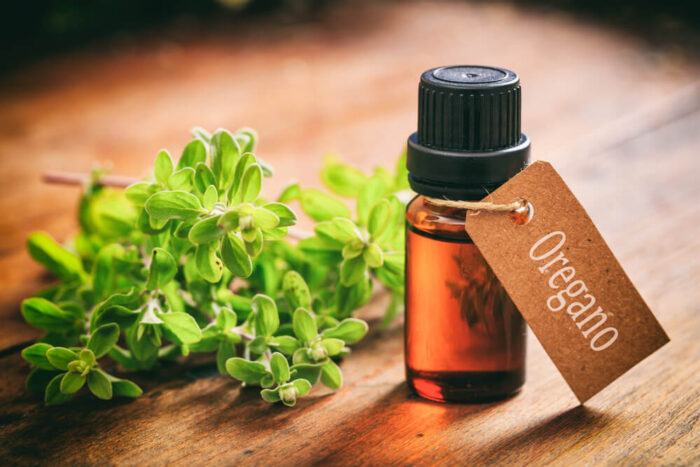
Oregano oil has become increasingly popular in recent years, appreciated for its antimicrobial, anti-inflammatory, and antioxidant properties.
Benefits of Oregano Oil
1. Antimicrobial and Antifungal Properties
Oregano oil is known for its effectiveness in combating bacteria, viruses, and fungi due to its active compound, carvacrol. Studies have shown that this oil can help with:
- Reducing minor bacterial infections
- Fighting fungal infections, such as candidiasis
- Supporting the immune system in the fight against pathogens
2. Anti-inflammatory Effects
Chronic inflammation is linked to numerous health conditions. Due to its anti-inflammatory properties, oregano oil can:
- Relieve joint and muscle pain
- Help reduce inflammation in the respiratory tract
- Support the healing of minor inflammatory processes on the skin
3. Natural Antioxidant
Oregano oil contains powerful antioxidants that help neutralize free radicals. This can:
- Protect cells from oxidative stress
- Contribute to the prevention of premature aging
- Support overall health
4. Supporting Digestive Health
Through its antimicrobial properties, oregano oil can be useful in:
- Balancing intestinal flora
- Combating minor digestive issues
- Relieving symptoms of bloating and abdominal discomfort
How to Prepare Oregano Oil
- Necessary Ingredients:
- Fresh or dried oregano leaves
- A quality carrier oil (such as extra virgin olive oil)
- Procedure:
- Wash and dry the oregano leaves thoroughly.
- Gently crush them to release the active compounds.
- Place the leaves in a glass jar, then pour the oil over them, ensuring the plants are completely covered.
- Seal the jar and let it macerate in a cool, dark place for 2-4 weeks. Shake periodically.
- After the maceration period, strain the oil and store it in an airtight glass container.
How to Consume Oregano Oil
1. Internal Administration
Diluted in a carrier oil or water:
- Recommended dosage: Typically, 1-2 drops of concentrated oregano oil diluted in a tablespoon of olive oil or in a glass of water.
- Frequency: It can be consumed once or twice a day, but it is recommended not to exceed the indicated dosage, as the oil is very concentrated.
- Precautions: Internal consumption of undiluted oregano oil is not recommended, as it can irritate the stomach lining. Also, consult a specialist before use, especially in the case of children, pregnant women, or individuals with pre-existing conditions.
2. External Administration
Topical application:
- Preparation method: Dilute 1-2 drops of oregano oil in a carrier oil (such as coconut or olive oil) in a ratio of at least 1:5 (i.e., 1 part oregano oil to 5 parts carrier oil).
- Usage: Application can be made on areas affected by infections or inflammation, such as acne spots, blemishes, or even on joints for pain relief.
- Sensitivity test: Before local application, it is recommended to perform a sensitivity test on a small area of skin to avoid potential allergic reactions.
3. Aromatherapy
Diffusing in the air:
- Adding 3-4 drops of oregano oil to a diffuser can help purify the air and stimulate the respiratory system.
- This method is particularly useful during cold or flu seasons, contributing to easier breathing and combating airborne microorganisms.
Oregano oil is a natural remedy with multiple health benefits, from combating infections and reducing inflammation to supporting digestive and antioxidant health. Whether used internally, externally, or in aromatherapy, oregano oil can be a valuable addition. However, it is essential to use it responsibly, following dilution guidelines and consulting a specialist when necessary.
This integrative approach to oregano oil can significantly contribute to improving overall health and preventing various conditions, making it a reliable ally in the natural care of the body.




